Lijst met links

Word from our CEO

Key figures

and activities by department

Business Continuity Management

Ensuring the reliability of our mission

The patient at the heart of our mission

More accessible, patient-centred communication

Unavailability and clinical trials

Securing access to treatments


TP53 dossier

Testimonial and explanations

Word from our CEO


Word from our CEO


“The articles in this report illustrate both the variety of tasks entrusted to the FAMHP and the day-to-day dedication of its staff. I would like to thank all agency staff, as well as our many partners, for their expertise, dedication and sense of public service. It is thanks to their efforts that we are able to meet today’s challenges while preparing for those of tomorrow.”


Dear reader

The year 2025 was once again a year of challenges for the Federal Agency for Medicines and Health Products (FAMHP). It once again demonstrated the agency’s ability to adapt, innovate and fulfil its mission in safeguarding public health.

In a constantly evolving environment, the agency continued its efforts to ensure public access to safe, effective and high-quality medicines and health products. This commitment was reflected in initiatives at both national and European level, including efforts to address medicine shortages, strengthen international cooperation and develop solutions that support continuity of care for patients.

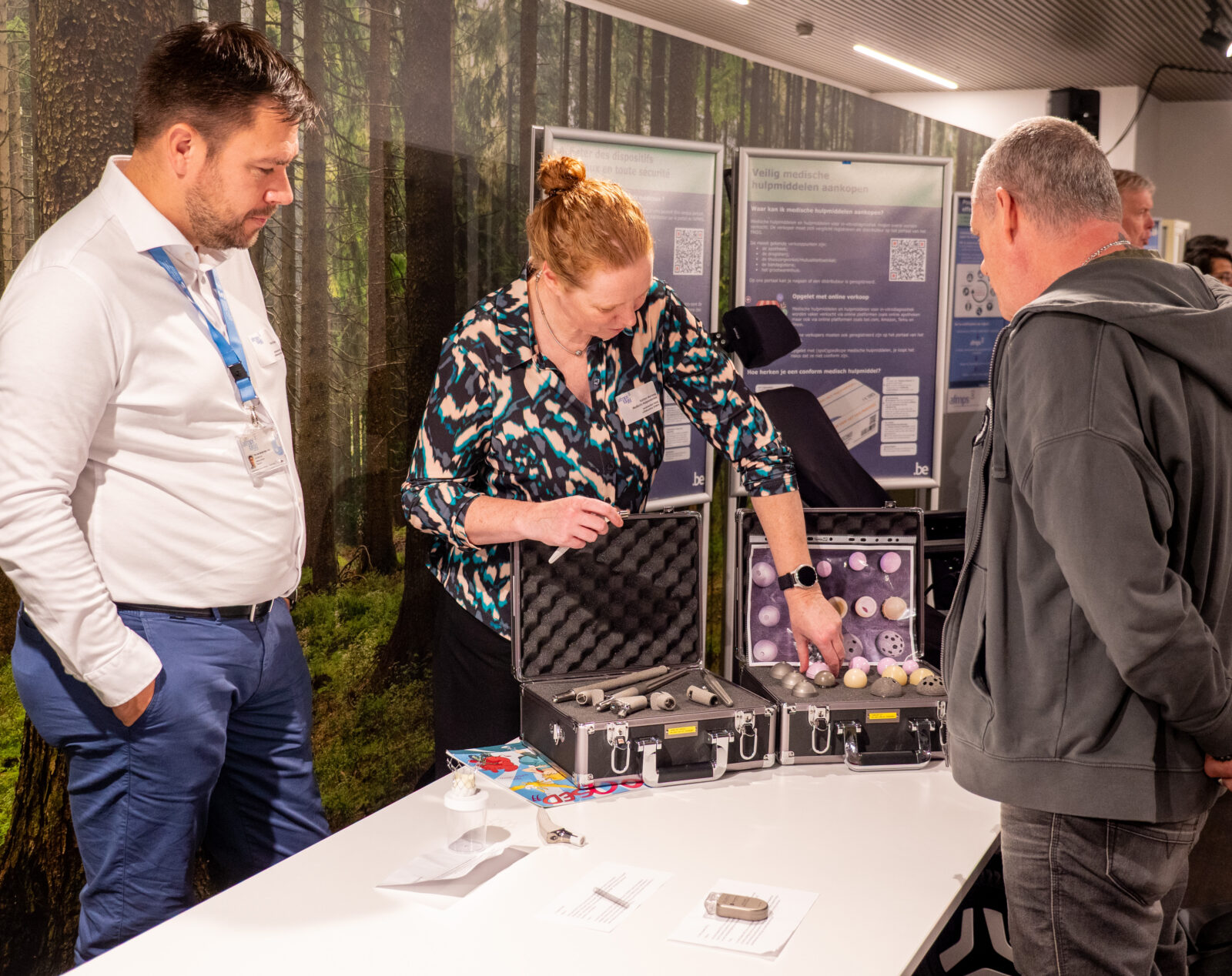
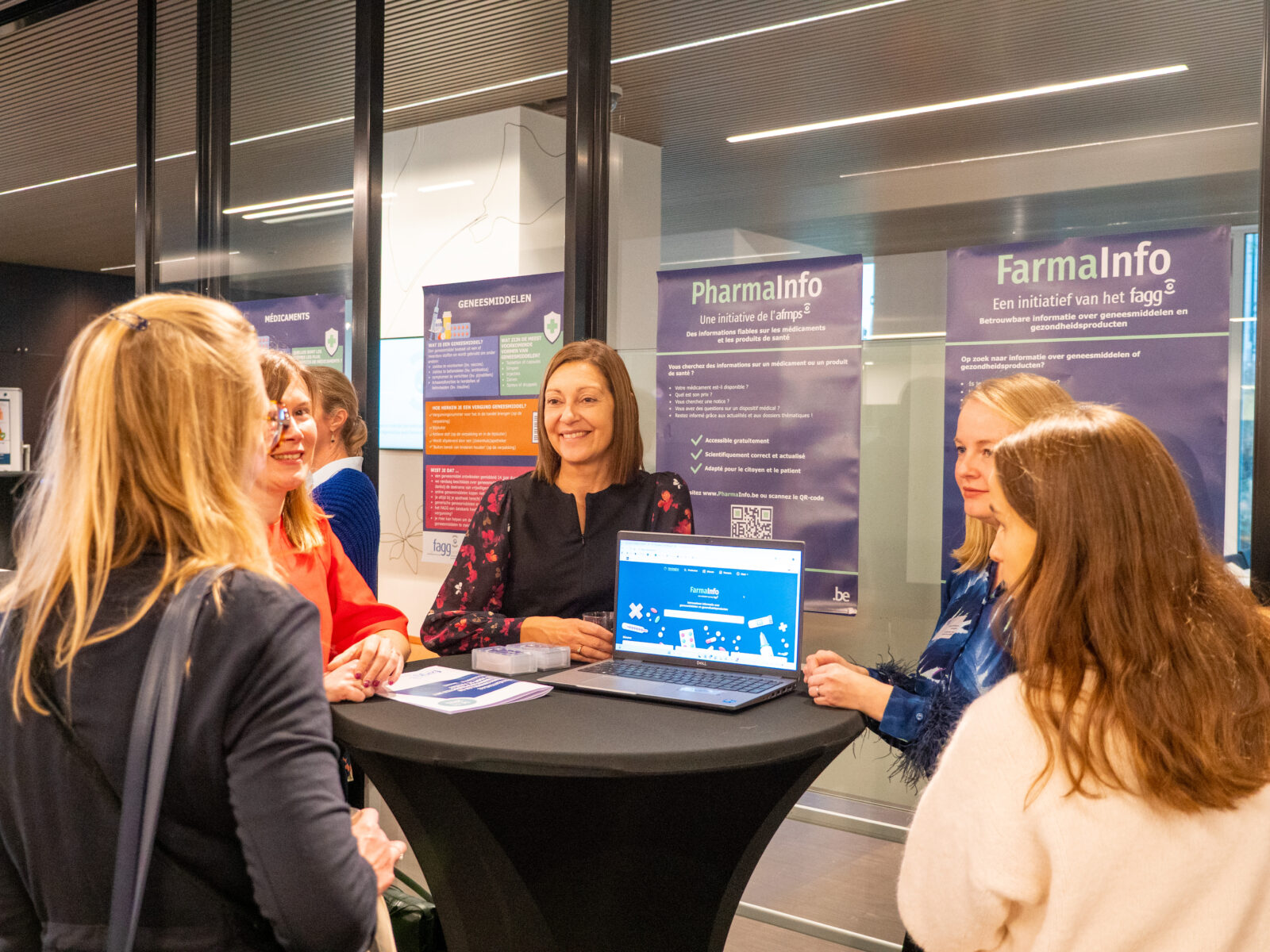
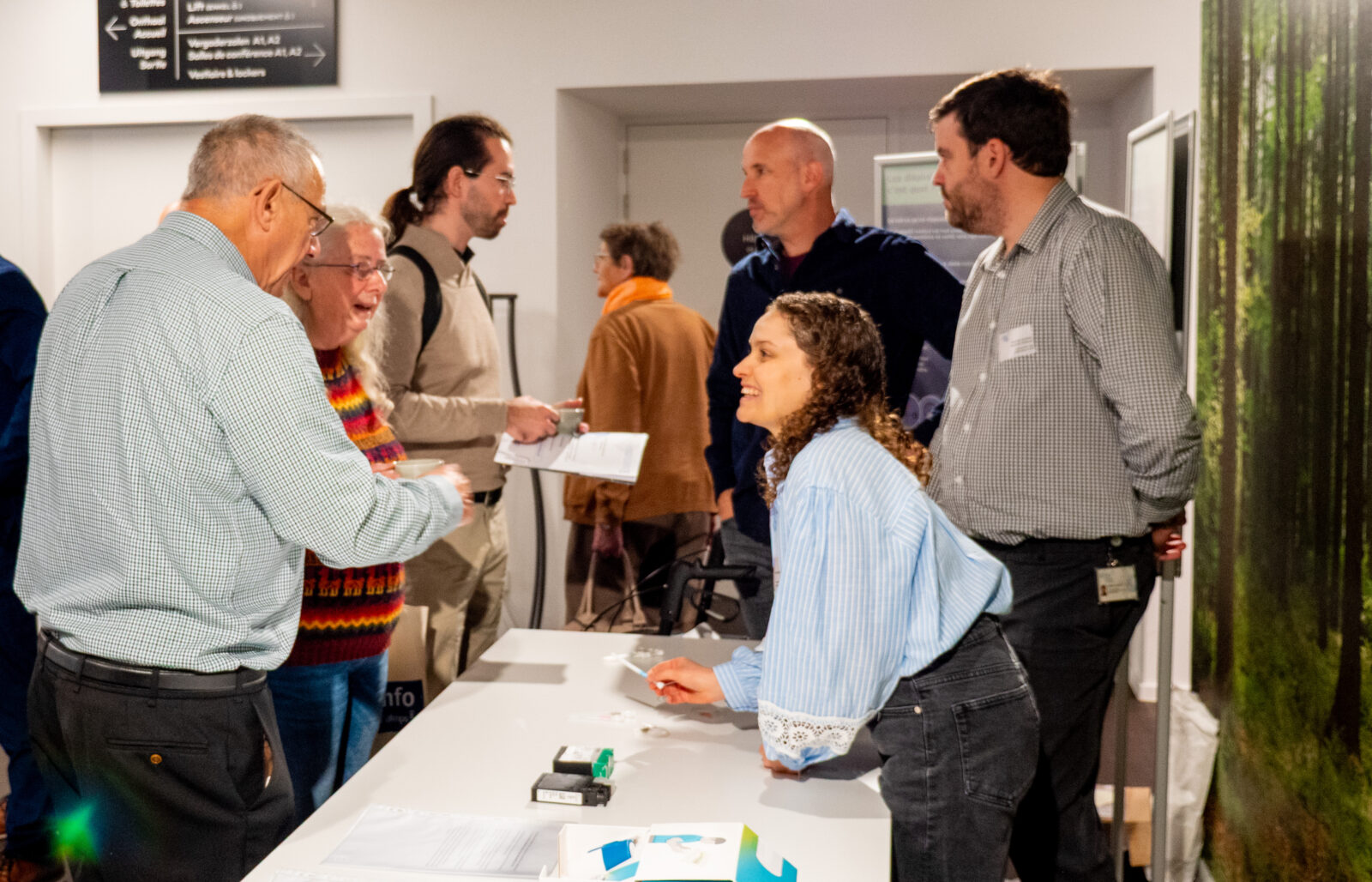
Patients remained at the heart of our activities. The first ‘Patients’ Day’ marked a major step in strengthening dialogue with citizens in general and with patient organisations. To make our information even more accessible, we also launched our Instagram accounts to share reliable, understandable and accessible information with an even wider audience.

In 2025, the FAMHP also reaffirmed its commitment to support innovation. The entry into force of the EU Clinical Trials Regulation, together with the agency’s active contribution to numerous European projects, reflects our determination to support researchers and advance innovative solutions while maintaining the highest standards of quality, safety, and participant protection.

The FAMHP also continued to strengthen its own organisational resilience. Through the implementation of a structured business continuity management framework to help ensure that the agency can continue to fulfil its core functions, even in the event of major disruption. This approach forms part of our commitment to continuous improvement and to preparedness for future challenges.

Finally, 2025 was marked by the management of the case involving a sperm donor carrying a TP53 gene mutation. This exceptional situation has had a deep impact on the families concerned and required the sustained involvement of many agency staff members over several months. The case also prompted the FAMHP to conduct a thorough analysis and review in order to identify lessons learned and areas for improvement. Throughout this process, our teams carried out their responsibilities with professionalism, rigour and an unwavering commitment to transparency and the protection of public health.

The articles in this report illustrate both the variety of tasks entrusted to the FAMHP and the day-to-day dedication of its staff. I would like to thank all agency staff, as well as our many partners, for their expertise, dedication and sense of public service. It is thanks to their efforts that we are able to meet today’s challenges while preparing for those of tomorrow.

I invite you to discover the key achievements that defined the year 2025.

Hugues Malonne
Chief Executive Officer of the FAMHP

Chief Executive Officer’s Services

Chief Executive Officer’s Services

30 790

followers on our social media channels

1 145

requests for legal opinions


26

new quality documents


55

projects supported by FAMHP experts in 2025, including 13 European Joint Actions 

205

parliamentary questions answered 

73

international cooperation activities


The Chief Executive Officer’s Services include four divisions:

  • Communication;
  • Legislation and Litigation;
  • Quality and Organisational Management;
  • International Relations.

The Chief Executive Officer’s Services also include the Strategy Realisation Office, the Information Security Unit and the Management Support for the Chief Executive Officer.

The Chief Executive Officer’s Services play a key role in the management and oversight of the agency. They ensure the strategic coordination and smooth functioning of the FAMHP in consultation with public authorities and stakeholders in the healthcare sector.

Its main tasks are:

  • to steer our strategy and organisation by establishing strategic guidelines for the FAMHP, in line with public health policy;
  • to implement the agency’s objectives;
  • to monitor legislation and draft legal opinions while ensuring the legality of the agency’s actions;
  • to represent the agency and serve as a point of contact for government authorities, European institutions and other stakeholders;
  • to ensure communication and transparency by providing information to citizens, healthcare professionals and pharmaceutical companies;
  • to provide advice on data protection, raise awareness, and monitor compliance, risk management, auditing and reporting activities related to data protection;
  • to support management by providing organisational, substantive and logistical support to the Chief Executive Officer, including the preparation, coordination and follow-up of strategic dossiers, the operational plan and its corresponding reporting, support for the agency’s management meetings and advisory committees, and regular consultations with the Minister’s Cabinet every two weeks.

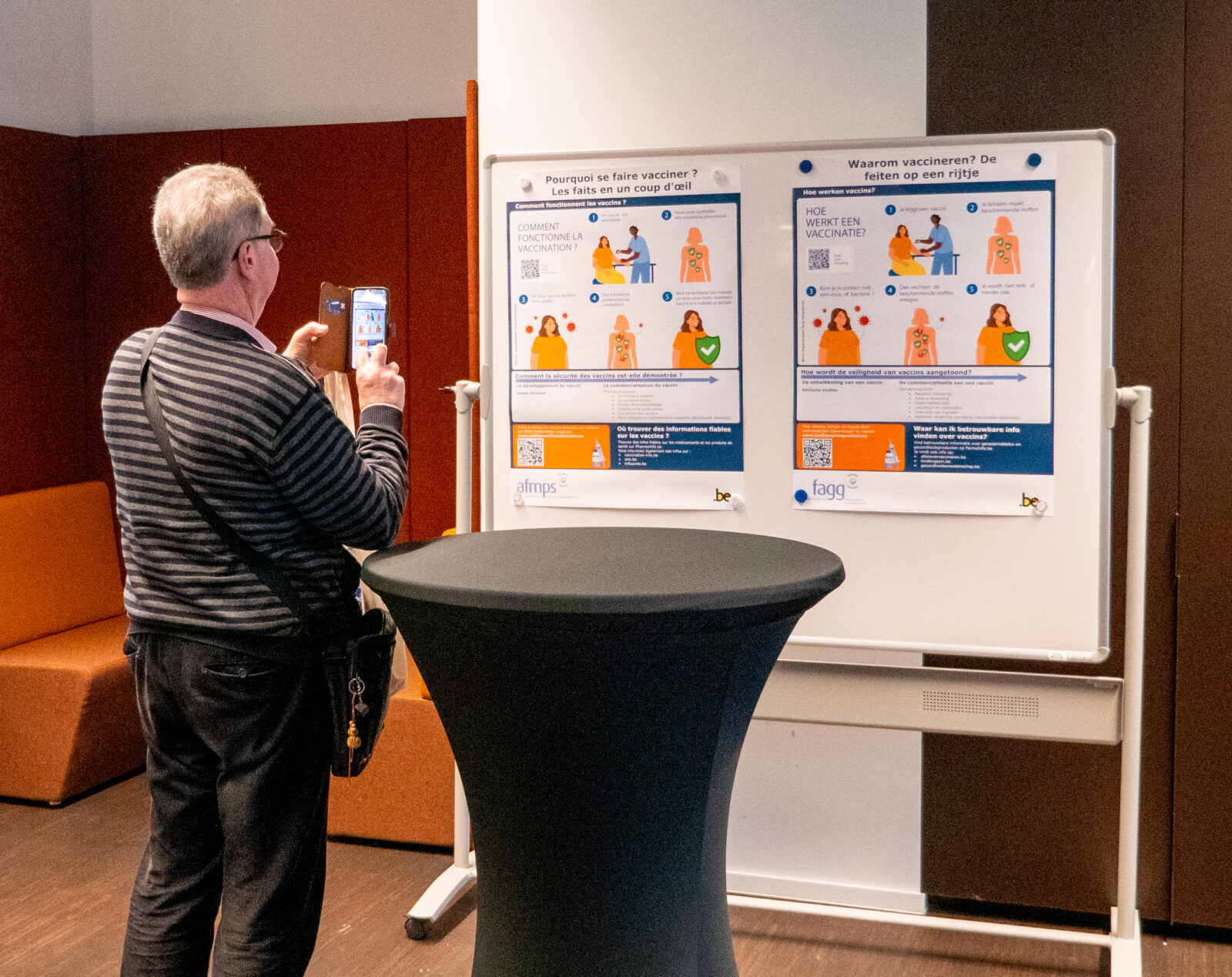
“In 2025, the Chief Executive Officer’s Services achieved remarkable results. Our campaigns and active presence on social media reached a wide audience. The first edition of the Patients’ Day focused on patients through information sessions on topics such as the availability of medicinal products, pharmacovigilance and vaccines. Participants also had the opportunity to interact with our experts.

We also made progress in the areas of information security and artificial intelligence; we carried out various audits and continued our internal improvement efforts.

At both national and international level, significant progress was made in implementing policy, particularly regarding the availability of medicinal products and the priority areas of vaccines and ATMPs.”

Hugues Malonne, Chief Executive Officer of the FAMHP

“In 2025, the Chief Executive Officer’s Services achieved remarkable results. Our campaigns and active presence on social media reached a wide audience. The first edition of the Patients’ Day focused on patients through information sessions on topics such as the availability of medicinal products, pharmacovigilance and vaccines. Participants also had the opportunity to interact with our experts.
We also made progress in the areas of information security and artificial intelligence; we carried out various audits and continued our internal improvement efforts.
At both national and international level, significant progress was made in implementing policy, particularly regarding the availability of medicinal products and the priority areas of vaccines and ATMPs.”

Hugues Malonne, Chief Executive Officer of the FAMHP


Management Support

Answered parliamentary questions

Written parliamentary questions

88

Oral parliamentary questions

117

Organised meetings 

Management Support Network

44

Transversal Support Staff Meeting

13

Consultative Committee

5

Transparency Committee

10

Extended Executive Council

4

Executive Council

21


Communication Division

395 answers to press inquiries
247 internal newsletters
107 news items on the website
30 790 followers across all our social media channels

On 31 March 2025, the agency joined Instagram (opent in nieuw tabblad).

News
A year ago, we launched our new intranet, developed with a clear objective: to offer a single, clear and structured access point for all the agency’s information. Change was necessary: the old intranet no longer met employees’ needs, with complex navigation, scattered content and limited possibilities to support collaborative work.

We therefore thoroughly redesigned the navigation structure and the homepage, and developed a new newsletter, always with a view to clarity and user‑friendliness in mind. All services were consulted to ensure the content was up to date and truly aligned with colleagues’ needs.

A year later, we can see that the intranet has grown into a more modern, more intuitive environment that truly supports the agency. It offers real added value: a more efficient search engine, better project visibility, more coherent pages and an environment that strengthens collaboration between services.

Because the intranet is built on SharePoint, a platform that is constantly evolving, our intranet is designed to grow with us. New features, optimisations and improvements will continue to enhance the user experience, ensuring a tool that is useful and aligned with the agency’s needs.

“Seeing employees take ownership of the tool confirms that this new intranet truly meets their needs.” Magali, internal communications officer

“After the launch of the new intranet, we organised information sessions where colleagues could ask all their questions. The enthusiastic and positive feedback we received there confirms to me that we achieved our goal.” – Sofie, internal communications officer

Legislation and Litigation Division

  • Publications in the Belgian Official Gazette:
    • 19 Royal Decrees
    • 9 Ministerial Decrees
    • 11 decisions
  • 1 145 legal opinions were issued
  • 51 requests for passive public access to administrative documents
  • 224 official reports were transmitted to the Legislation and Litigation Division
    • Of these, 163 were the subject of a proposal for an out-of-court settlement, of which 106 were paid

Quality Division and Organisational Management 

Quality audits

8 quality audits conducted by the FAMHP.
The processes audited are the following.

  • Drafting an evaluation report for a dossier concerning adverse reactions in Human Pharmacovigilance (PhV Hum).
  • Drafting a proposal for an out-of-court settlement based on an official report of findings of infringement.
  • Assist in conducting an investigation.
  • Respond to questions about medicines and health products.
  • Manage the notification of the change (temporary or not) of the qualified person, the person responsible for information and advertising (RIP), and the notification and change of the local contact person/EEA QPPV.
  • Publish data, documents and information on medicines and health products.
  • Grant an authorisation for a raw material used by the community pharmacist (MPUP).

Approve a company’s internal monograph for a raw material used by the community pharmacist (MPUP).

Non-conformities in quality audits

Number of critical non-conformities noted in 2025

1

Number of major non-conformities noted in 2025

13

Number of minor non-conformities noted in 2025

27

Number of critical improvement actions from 2013 to 2025 closed in 2025

0

Number of major improvement actions from 2013 to 2025 closed in 2025

7

Number of minor improvement actions from 2013 to 2025 closed in 2025

4

Internal audit by the Federal Internal Audit Service

Start of 4 audits and finalisation of 5 audits 

Start year

FIA’s internal audit

End year

2024

Initial audit 2024-07 – Authorisations

2025

2024

Initial audit 2024-20 – NIS2 readiness

2025

2024

Initial audit 2024-03 – Revolving‑door mechanism for staff with careers in both the private and public sectors

2025

2025

Initial audit 2025-17 – Data governance

Ongoing

2025

Initial audit 2025-44 – AI

Ongoing

2025

Follow‑up audit 2025-09 – FAMHP inspections

2025

2025

Initial audit 2025-58 – External vigilance inspections – fertility centres

2025


External complaints

Received complaints

Complaints about the FAMHP

54

Complaints about the FAMHP stakeholders

29

Complaints about other organisations

13

Inadmissible complaints

29


Status of the received complaints (about the FAHMP)

Closed

43

Open

11

Complaints (about the FAHMP) by entity

DG PRE authorisation

0

DG POST authorisation

19

DG Inspection

11

Chief Executive Officer’s Services

5

General Services

19


Quality documents

26 new quality documents

Number of modified quality documents

26

Process

1

Standard operating procedure

13

Operating instruction

11

Policy

1


36 modified quality documents

Number of modified quality documents

36

Process

17

Standard operating procedure

13

Operating instruction

6

Policy

0


International Relations Division 

International cooperation in 2025

International update at the Extended Executive Council

3/3

Cooperation with Luxembourg

4

Bilateral visits (number of countries or agencies involved)

4 (Mexico, China, Taiwan and a large African delegation: Africa CDC, African Medicines Regulatory Harmonisation …)

Heads of Medicines Agencies (HMA)

4

Horizontal Legislation Taskforce (HMA)

7

Meetings of the European Medicines Network International Cooperation Platform (INTCOP)

2

Meeting of the Pharmaceutical Committee

1

Management Board of the European Medicines Agency

4

Meeting of the Directors for Pharmaceutical Policy

1

WPPMD (Working Party on Pharmaceuticals and Medical Devices) meetings on Pharma package & CMA 

21 (Polish Presidency), 20 (Danish Presidency)

Critical Medicines Alliance Forum

1

OECD Expert Panel on Pharmaceuticals and Medical Devices

1

Strategy Realisation Office

Project and Portfolio Management Office Coordination

55 projects, including 13 European joint actions


Management Support

Answered parliamentary questions

Oral parliamentary questions117
Written parliamentary questions88

Organised meetings

Management Support Network44
Transversal Support Staff Meeting13
Consultative Committee5
Transparency Committee10
Extended Executive Council4
Executive Council21


Communication Division

  • 395 answers to press inquiries
  • 247 internal newsletters
  • 107 news items on the website
  • 30 790 followers across all our social media channels

On 31 March 2025, the agency joined Instagram (opent in nieuw tabblad).

News
A year ago, we launched our new intranet, developed with a clear objective: to offer a single, clear and structured access point for all the agency’s information. Change was necessary: the old intranet no longer met employees’ needs, with complex navigation, scattered content and limited possibilities to support collaborative work.

We therefore thoroughly redesigned the navigation structure and the homepage, and developed a new newsletter, always with clarity and user‑friendliness in mind. All services were consulted to ensure the content was up to date and truly aligned with colleagues’ needs.

A year later, we can see that the intranet has grown into a more modern, more intuitive environment that truly supports the agency. It offers real added value: a more efficient search engine, better project visibility, more coherent pages and an environment that strengthens collaboration between services.

Because the intranet is built on SharePoint, a platform that is constantly evolving, our intranet is designed to grow with us. New features, optimisations and improvements will continue to enhance the user experience, ensuring a tool that is useful and aligned with the agency’s needs.

“Seeing employees take ownership of the tool confirms that this new intranet truly meets their needs.” Magali, internal communications officer

“After the launch of the new intranet, we organised information sessions where colleagues could ask all their questions. The enthusiastic and positive feedback we received there confirms to me that we achieved our goal.” – Sofie, internal communications officer


Legislation and Litigation Division

  • Publications in the Belgian Official Gazette:
    • 19 Royal Decrees
    • 9 Ministerial Decrees
    • 11 decisions
  • 1 145 legal opinions were issued
  • 51 requests for passive public access to administrative documents
  • 224 official reports were transmitted to the Legislation and Litigation Division
    • Of these, 163 were the subject of a proposal for an out-of-court settlement, of which 106 were paid


Quality Division and Organisational Management


Quality audits

8 quality audits conducted by the FAMHP.

The audited processes  are as follows.

  • Drafting an evaluation report for a dossier concerning adverse reactions in Human Pharmacovigilance (PhV Hum).
  • Drafting a proposal for an out-of-court settlement based on an official report of findings of infringement.
  • Assisting in conducting an investigation.
  • Respond to questions about medicines and health products.
  • Manage the notification of a temporary or permanent change of the qualified person, the person responsible for information and advertising (RIP), and the notification and change of the local contact person/EEA QPPV.
  • Publish data, documents and information on medicines and health products.
  • Grant an authorisation for a raw material used by the community pharmacist (MPUP).
  • Approve a company’s internal monograph for a raw material used by the community pharmacist (MPUP).

Non-conformities in quality audits

Number of critical non-conformities noted in 20251
Number of major non-conformities noted in 202513
Number of minor non-conformities noted in 202527
Number of critical improvement actions from 2013 to 2025 closed in 20250
Number of major improvement actions from 2013 to 2025 closed in 20257
Number of minor improvement actions from 2013 to 2025 closed in 20254

Internal audit by the Federal Internal Audit Service – Start of 4 audits and finalisation of 5 audits

Start yearFIA's internal auditEnd year
2024Initial audit 2024-07 – Authorisations 2025
2024Initial audit 2024-20 – NIS2 readiness 2025
2024Initial audit 2024-03 – Revolving door mechanism for staff with careers in both the private and public sectors 2025
2025Initial audit 2025-17 – Data governance Ongoing
2025Initial audit 2025-44 – AI Ongoing
2025Follow up audit 2025-09 – FAMHP inspections 2025
2025Initial audit 2025-58 – External vigilance inspections – fertility centres2025

Received complaints

Complaints about the FAMHP54
Complaints about the FAMHP stakeholders29
Complaints about other organisations13
Inadmissible complaints29

Status of the received complaints (about the FAMHP)

Closed43
Open11

Complaints (about the FAMHP) by entity

DG PRE authorisation0
DG POST authorisation19
DG Inspection11
Chief Executive Officer’s Services5
General Services19

26 new quality documents

Number of new quality documents26
Process1
Standard operating procedure13
Operating instruction11
Policy1

36 modified quality documents

Number of modified quality documents36
Process17
Standard operating procedure13
Operating instruction6
Policy0


International Relations Division

International cooperation in 2025

International update at the Extended Executive Council3/3
Cooperation with Luxembourg4
Bilateral visits (number of countries or agencies involved)4 (Mexico, China, Taiwan and a large African delegation: Africa CDC, African Medicines Regulatory Harmonisation ...)
Heads of Medicines Agencies (HMA)4
Horizontal Legislation Taskforce (HMA)7
Meetings of the European Medicines Network International Cooperation Platform (INTCOP)2
Meeting of the Pharmaceutical Committee 1
Management Board of the European Medicines Agency4
Meeting of the Directors for Pharmaceutical Policy1
WPPMD (Working Party on Pharmaceuticals and Medical Devices) meetings on Pharma package and CMA 21 (Polish Presidency), 20 (Danish Presidency)
Critical Medicines Alliance Forum 1
OECD Expert Panel on Pharmaceuticals and Medical Devices 1


Strategy Realisa­tion Office


Project and Portfolio Management Office Coordination

55 projects, including 13 European joint actions

Directorate General PRE authorisation

Directorate General PRE authorisation

519

initial applications
for clinical trials closed

640

applications for
(new or the renewal of)
marketing authorisation for medicines

61

cases closed for national scientific-technical advice on
medicines for human and veterinary use

2 475

dossiers closed in the Medicines
for Veterinary Use Division,
that is more than double the amount of 2024

97

new authorisation applications
for raw materials used in
pharmacy-made
and officinal preparations

640

applications for marketing authorisation for allopathic
and herbal medicines have been finalised


The Directorate General PRE authorisation (DG PRE) consists of four divisions:

  • Research and Development (human use);
  • Marketing Authorisation (human use);
  • Medicines for Veterinary Use;
  • Assessors Division.

It also includes the National Innovation Office and Scientific-Technical Advice Unit, which supports the DG PRE authorisation in fulfilling its tasks.

DG PRE plays a key role in the regulatory and scientific evaluation of medicinal products before they are placed on the market.

It ensures efficient, high-quality processing, while respecting legal timelines, including:

  • applications for scientific and regulatory advice;
  • applications for clinical trials;
  • applications for marketing authorisations (MA) concerning medicines for human and veterinary use;
  • applications for compassionate use programmes and medical need programmes.


“2025 was a year of acceleration and strengthening for DG PRE authorisation.  

Through close collaboration between our dossier managers and assessors, the Clinical Trial College and the Ethics Committees, we prepared the expedited timelines for assessing applications for clinical trials with medicines for human use. Moreover, DG PRE authorisation was active in the European ‘Pre Grant Regulatory Scientific Advice project’ that provided investigators and sponsors with early scientific‑regulatory advice and anticipated bottlenecks in clinical research, in order to identify and address those potential issues in a timely manner.

With all stakeholders as key partners, supported by new digital tools and a strong international presence, DG PRE authorisation proactively monitors new developments, with the aim of ensuring that patients have fast access to high-quality innovative treatments.

At the same time, action was taken to address antimicrobial resistance (AMR) in medicines for veterinary use, with a particular focus on improving data quality and completeness of antibiotic use reporting. The steps ahead, although significant, make it clear that further investment remains necessary to sustainably address AMR challenges.”

Hugues Malonne, director general ad interim at DG PRE authorisation


“2025 was a year of acceleration and strengthening for DG PRE authorisation.  

Through close collaboration between our dossier managers and assessors, the Clinical Trial College and the Ethics Committees, we prepared the expedited timelines for assessing applications for clinical trials with medicines for human use. Moreover, DG PRE authorisation was active in the European ‘Pre Grant Regulatory Scientific Advice project’, that provided investigators and sponsors with early scientific‑regulatory advice and anticipated on bottlenecks in clinical research, in order to identify and address those potential issues in a timely manner.

With all stakeholders as key partners, supported by new digital tools and a strong international presence, DG PRE Authorisation proactively monitors new developments, with the aim of ensuring that patients have fast access to high-quality innovative treatments.”

Meanwhile action was taken to address antimicrobial resistance (AMR) in medicines for veterinary use, with a particular focus on improving data quality and completeness of antibiotic use reporting. The steps ahead, although significant, make it clear that further investment remains necessary to sustainably address AMR challenges.”

Hugues Malonne, director general ad interim at DG PRE


Research and Development Division (human use)

Clinical trial authorisations
519 initial applications for clinical trials closed
all in the context of Regulation 536/2014 (externe link, opent in nieuw tabblad) (Clinical Trial Regulation, CTR), of which 13 transition trials
of which 15 vaccine trials (14 requests approved)
of which 15 are ATMP trials (12 approved applications)
2 206 substantial changes or amendments closed
2 in the context of Directive 2001/20/EC (externe link, opent in nieuw tabblad) and 2 204 in the context of the Regulation

Compassionate use and medical need programmes
26 unmet medical need programmes submitted
25 unmet medical need programmes closed
46 reassessments of approved medical need programmes
30 urgent notifications of medicines for compassionate use

Clinical investigations with medical devices
67 new clinical investigations of medical devices under the new Regulation (EU) 2017/745 (externe link, opent in nieuw tabblad)
98 substantial amendments to clinical studies with medical devices under the new Regulation (EU) 2017/745 (externe link, opent in nieuw tabblad)
56 new performance studies with in vitro diagnostics under the Regulation (EU) 2017/746 (externe link, opent in nieuw tabblad) 
55 new substantial amendments to performance studies with in vitro diagnostics under the Regulation (EU) 2017/746  (externe link, opent in nieuw tabblad)


Marketing Authorisation Division (human use)

Files for obtaining marketing authorisation for allopathic and herbal medicines
8 new applications for marketing authorisation via the central procedure, including 1 case with Belgium reporting; 4 cases with Belgium co-reporting; 3 cases with Belgium co-reporting; 3 cases where Belgium and another Member State are supporting the evaluation
1 new application for a marketing authorisation via the national procedure or a registration
210 new applications for a marketing authorisation via the mutual recognition procedure or decentralised procedure
640 closed cases; of which, 185 cases via the mutual recognition procedure or decentralised procedure; 95 cases for herbal medicines (1 permit cases; 93 variations and 2 renewals); and 382 cases in accordance with the central procedure (16 permit cases; 284 variations and 82 renewals and FUMs)
3 cases with Belgium as the reference Member State
99 variations for herbal medicines were submitted

Homeopathic medicines
9 new applications for a marketing authorisation
5 new applications for registration
53 variations
47 five-yearly renewals
95 cases closed

Pharmacopoeia/Raw Materials Unit

Raw materials for pharmacy-made and officinal preparations
97 new authorisation applications
112 authorisation modifications
1 new monograph application
2 new applications for a general activity authorisation for pharmaceutical raw materials

Medicines for Veterinary Use Division

2 475 files closed

Clinical trial authorisations
4 applications for clinical trials
1 variation application
2 renewal applications

Files for obtaining marketing authorisation
47 new applications for a marketing authorisation

Variations
984 variations requiring assessment
1 429 variations not requiring assessment

Procedures for marketing authorisations or variations
2 460 applications, of which:
25 applications via the central procedure
256 applications via the national procedure
42 applications via the decentralised procedure
2 137 applications via the mutual recognition procedure

Procedure for parallel import authorisations
2 variation applications
1 renewal application

Other procedures
1 re examination procedure
4 SPC harmonisation procedures

Antimicrobial Resistance Entity

Benchmark reports 2025

Editions

Number of reports

Livestock farm veal calves

2

503

Livestock farm poultry (including new categories)

2

2 589

Livestock farm pigs

2

8 209

Livestock farm cattle (dairy and beef cattle)

2

37 991

Pig veterinarians

1

457

Poultry veterinarians

1

72

Veal calf veterinarians

1

24

Cattle veterinarians

1

1 022

Barometer with trend by sector

4


The Antimicrobial Resistance Entity of the Medicines for Veterinary Use Division is committed to implementing the requirements of Regulation (EU) 2019/6 (externe link, opent in nieuw tabblad) on veterinary medicinal products, specifically the use of antibiotics, as well as the reporting of the sale and use of antibiotics in animals in Belgium, notably through the roll-out of the VAMREG (externe link, opent in nieuw tabblad) data collection system. To this end, consultation bodies have been established with software developers and their users in order to facilitate, as much as possible, the implementation of the machine‑to‑machine connection.

The analysed results concerning antibiotic use in animals were presented in the annual BelVet-SAC report (externe link, opent in nieuw tabblad) (drawn up by the FAMHP and AMCRA (externe link, opent in nieuw tabblad)) and in the annual One Health Belmap report (externe link, opent in nieuw tabblad) (coordinated by Sciensano). The aggregated data were submitted on time to the European Medicines Agency (and included in the annual Esuavet report (externe link, opent in nieuw tabblad)) and to the World Organisation for Animal Health (WOAH).

AMCRA also prepared, at the request of the FAMHP, several reports providing farmers and veterinarians with insight into antibiotic use at farm level and presenting trends at sector level.

In 2025, for the first time, results for dairy and beef cattle, as well as for additional poultry categories, were analysed (turkeys and breeding and grandparent stock in chickens).

Assessors Division

The figures below indicate the number of cases for which an evaluation report was drawn up in the first round. Where the initial evaluation round led to questions, the answers to these questions were, of course, evaluated as well.

Medicinal products for human use

189 initial requests for clinical trials (44 as a reference Member State, 56 as an involved Member State and 89 mono-nationally)
5 requests for compassionate use programmes and 21 for medical needs programmes
90 European scientific opinions and 41 national scientific opinions
195 requests for marketing authorisation permits (7 as a reporter, 3 as a reference Member State, 170 as an involved Member State and 15 nationally)
275 clinical variations (30 as a reporter, 35 as a reference Member State, 114 as an involved Member State and 96 nationally)
230 analytical variations (36 as a reporter, 84 as a reference Member State and 110 nationally)
214 questions about essential medicines and alternatives in the event of unavailability
94 quality dossiers for registration or authorisation of homeopathic medicines

Medicines for veterinary use

2 European scientific opinions
27 requests for market authorisation permitted (3 as a reporter and 24 as an involved Member State)
146 clinical variations requiring evaluation (14 as a reporter, 15 as a reference Member State, 18 as an involved Member State and 99 nationally)
21 analytical variations requiring evaluation (6 as a reporter, 5 as a reference Member State and 10 nationally)
98 reports by animal caretakers and veterinarians
384 reports of side effects by Belgian Poison Centre

National Innovation Office and Scientific-Technical Advice Unit
National scientific-technical advice (STA)
57 scientific-technical advice cases submitted for medicines for human and veterinary use (including simultaneous national scientific advice)
61 scientific-technical advice cases closed for medicines for human and veterinary use (including simultaneous national scientific advice)
Simultaneous national scientific advice (SNSA)
11 requests submitted for simultaneous national scientific advice (SNSA) in collaboration with other national medicinal authorities in the context of the European SNSA pilot project from the EU Innovation Offices Network
17 requests closed for simultaneous national scientific advice in collaboration with other national medicinal authorities in the context of the European SNSA pilot project from the EU Innovation Offices Network
Questions
283 questions and answers (including on existing regulations and directives, research and development, innovation and service provision from the FAMHP)
Meetings with innovators
8 portfolio meetings
9 project information meetings with local developers on a planned project for medicinal development or the development of a medical device
Consultation procedure for medications with a medicine as an integral part of the medication
1 consultation procedure submitted by a registered body for a medication with a medicine as an integral part of the medication
European requests for scientific advice (SAWP)
124 European requests for scientific advice for medicines for human use handled at the level of the Scientific Advice Working Party (SAWP-H) from the EMA (119 SAWP cases + 5 peer reviews)
2 European requests for scientific advice for animal medicines handled at the level of the Scientific Advice Working Party (SAWP-V) from the EMA
TSE consultation procedures
22 TSE consultation procedures for medications whereby production makes use of animal tissue that may cause transmissible spongiform encephalopathies (TSE)
Borderline product consultation procedures
13 (in)formal consultations for borderline products handled at the level of the Borderline and Classification Working Group (BLCG) from the EU Innovation Offices Network, the EDQM Borderline Products Network and the MDCG Helsinki procedure between the nationally competent authorities


News
In 2025, the FAMHP’s National Innovation Office and Scientific-Technical Advice Unit successfully implemented a pilot project on Pre-Grant Regulatory Scientific Advice (PGRSA), in collaboration with funding bodies and the Dutch regulatory authority (MEB), as part of the ATTRACT 2025 call for projects. This initiative, part of the IncreaseNET (EU4Health) project, aims to promote early collaboration between researchers, funders and regulatory authorities, by providing scientific‑regulatory and technical support before funding decisions are made.
The aim is to improve the regulatory quality of clinical research projects right from the moment they are conceived, in particular by identifying potential regulatory obstacles and warning signals in development plans and study protocols, in order to assess the feasibility of the path to marketing authorisation and market access.
In this context, the ATTRACT 2025 call targeted international phase II/III clinical trials in the field of rare cancers, with a particular focus on the repurposing of medicines and innovative study designs.
Several proposals selected by Kom op tegen Kanker (externe link, opent in nieuw tabblad) in consultation with the network of funding bodies involved in ATTRACT 2025 have thus benefited from early regulatory feedback, helping to strengthen the robustness and regulatory feasibility of the supported projects.


Research and Development Division (human use)


Clinical trial authorisations

Compassionate use and medical need programmes

  • 26 unmet medical need programmes submitted
  • 25 unmet medical need programmes closed
  • 46 reassessments of approved medical need programmes
  • 30 urgent notifications of medicines for compassionate use

Clinical investigations with medical devices


Marketing Authorisation Division (human use)


Files for obtaining marketing authorisation for allopathic and herbal medicines

  • 8 new applications for marketing authorisation via the central procedure, including 1 case with Belgium reporting; 4 cases with Belgium co-reporting; 3 cases with Belgium co-reporting; 3 cases where Belgium and another Member State are supporting the evaluation
  • 1 new application for a marketing authorisation via the national procedure or a registration
  • 210 new applications for a marketing authorisation via the mutual recognition procedure or decentralised procedure
  • 640 closed cases
    • of which, 185 cases via the mutual recognition procedure or decentralised procedure;
    • 95 cases for herbal medicines (1 permit case; 93 variations and 2 renewals);
    • and 382 cases under the centralised procedure (16 permit cases; 284 variations and 82 renewals and FUMs)
  • 3 cases with Belgium as the reference member state
  • 99 variations for herbal medicines were submitted

Homeopathic medicines

  • 9 new applications for a marketing authorisation
  • 5 new applications for registration
  • 53 variations
  • 47 five-yearly renewals
  • 95 cases closed

Pharmacopoeia/Raw Materials Unit

Raw materials for pharmacy-made and officinal preparations

  • 97 new authorisation applications 
  • 112 authorisation modifications
  • 1 new monograph application
  • 2 new applications for a general activity authorisation for pharmaceutical raw materials


Medicines for Veterinary Use Division

  • 2 475 files closed

Clinical trial authorisations

  • 4 applications for clinical trials
  • 1 variation application
  • 2 renewal applications

Files for obtaining marketing authorisation

  • 47 new applications for a marketing authorisation

Variations

  • 984 variations requiring assessment
  • 1 429 variations not requiring assessment

Procedures for marketing authorisations or variations

  • 2 460 applications, of which:
    • 25 applications via the central procedure
    • 256 applications via the national procedure
    • 42 applications via the decentralised procedure
    • 2 137 applications via the mutual recognition procedure

Procedures for parallel import authorisations

  • 2 variation applications
  • 1 renewal application

Other procedures

  • 1 re-examination procedure
  • 4 SPC harmonisation procedures

Antimicrobial Resistance Entity

Benchmark reports 2025

Editions

Number of reports

Livestock farm veal calves

2

503

Livestock farm poultry (including new categories)

2

2 589

Livestock farm pigs

2

8 209

Livestock farm cattle (dairy and beef cattle)

2

37 991

Pig veterinarians

1

457

Poultry veterinarians

1

72

Veal calf veterinarians

1

24

Cattle veterinarians

1

1 022

Barometer with trend by sector

4


The Antimicrobial Resistance Entity of the Medicines for Veterinary Use Division is committed to implementing the requirements of Regulation (EU) 2019/6 (externe link, opent in nieuw tabblad) on veterinary medicinal products, specifically the use of antibiotics, as well as the reporting of the sale and use of antibiotics in animals in Belgium, notably through the roll-out of the VAMREG (externe link, opent in nieuw tabblad) data collection system. To this end, consultation bodies have been established with software developers and their users in order to facilitate, as much as possible, the implementation of the machine‑to‑machine connection.

The analysed results concerning antibiotic use in animals were presented in the annual BelVet-SAC report (externe link, opent in nieuw tabblad) (drawn up by the FAMHP and AMCRA (externe link, opent in nieuw tabblad)) and in the annual One Health Belmap report (externe link, opent in nieuw tabblad) (coordinated by Sciensano). The aggregated data were submitted on time to the European Medicines Agency (and included in the annual Esuavet report (externe link, opent in nieuw tabblad)) and to the World Organisation for Animal Health (WOAH).

AMCRA also prepared, at the request of the FAMHP, several reports providing farmers and veterinarians with insight into antibiotic use at farm level and presenting trends at sector level.

In 2025, for the first time, results for dairy and beef cattle, as well as for additional poultry categories, were analysed (turkeys and breeding and grandparent stock in chickens).


Assessors Division


The figures below indicate the number of cases for which an evaluation report was drawn up in the first round. Where the initial evaluation round led to questions, the answers to these questions were, of course, evaluated as well.

Medicinal products for human use

  • 189 initial requests for clinical trials (44 as a reference member state, 56 as an involved member state and 89 mono-nationally)
  • 5 requests for compassionate use programmes and 21 for medical needs programmes
  • 90 European scientific opinions and 41 national scientific opinions
  • 195 requests for marketing authorisation permits (7 as a reporter, 3 as a reference member state, 170 as an involved member state and 15 nationally)
  • 275 clinical variations (30 as a reporter, 35 as a reference member state, 114 as an involved member state and 96 nationally)
  • 230 analytical variations (36 as a reporter, 84 as a reference member state and 110 nationally)
  • 214 questions about essential medicines and alternatives in the event of unavailability
  • 94 quality dossiers for registration or authorisation of homeopathic medicines

Medicines for veterinary use

  • 2 European scientific opinions
  • 27 requests for marketing authorisation applications (3 as a reporter and 24 as an involved member state)
  • 146 clinical variations requiring evaluation (14 as a reporter, 15 as a reference member state, 18 as an involved member state and 99 nationally)
  • 21 analytical variations requiring evaluation (6 as a reporter, 5 as a reference member state and 10 nationally)
  • 98 reports by animal caretakers and veterinarians
  • 384 reports of side effects by Belgian Poison Centre


National Innovation Office and Scientific-Technical Advice Unit


National scientific-technical advice (STA)

  • 57 scientific-technical advice cases submitted for medicines for human and veterinary use (including simultaneous national scientific advice)
  • 61 scientific-technical advice cases closed for medicines for human and veterinary use (including simultaneous national scientific advice)

Simultaneous national scientific advice (SNSA)

  • 11 requests submitted for simultaneous national scientific advice (SNSA) in collaboration with other national medicines authorities in the context of the European SNSA pilot project from the EU Innovation Offices Network
  • 17 requests closed for simultaneous national scientific advice in collaboration with other national medicines authorities in the context of the European SNSA pilot project from the EU Innovation Offices Network

Questions

  • 283 questions and answers (including on existing regulations and directives, research and development, innovation and service provision from the FAMHP)

Meetings with innovators

  • 8 portfolio meetings
  • 9 project information meetings with local developers on a planned project for medicinal development or the development of a medical device

Consultation procedure for medications with a medicine as an integral part of the medication

  • 1 consultation procedure submitted by a registered body for a medication with a medicine as an integral part of the medication

European requests for scientific advice (SAWP)

  • 124 European requests for scientific advice for medicines for human use handled at the level of the Scientific Advice Working Party (SAWP-H) from the EMA (119 SAWP cases + 5 peer reviews)
  • 2 European requests for scientific advice for animal medicines handled at the level of the Scientific Advice Working Party (SAWP-V) from the EMA

TSE consultation procedures

  • 22 TSE consultation procedures for medications whereby production makes use of animal tissue that may transmit transmissible spongiform encephalopathies (TSE)

Borderline product consultation procedures

  • 13 (in)formal consultations for borderline products handled at the level of the Borderline and Classification Working Group (BLCG) from the EU Innovation Offices Network, the EDQM Borderline Products Network and the MDCG Helsinki procedure between the nationally competent authorities

News
In 2025, the FAMHP’s National Innovation Office and Scientific-Technical Advice Unit successfully implemented a pilot project on Pre-Grant Regulatory Scientific Advice (PGRSA), in collaboration with funding bodies and the Dutch regulatory authority (MEB), as part of the ATTRACT 2025 call for projects. This initiative, part of the IncreaseNET (EU4Health) project, aims to promote early collaboration between researchers, funders and regulatory authorities, by providing scientific‑regulatory and technical support before funding decisions are made.
The aim is to improve the regulatory quality of clinical research projects right from the moment they are conceived, in particular by identifying potential regulatory obstacles and warning signals in development plans and study protocols, in order to assess the feasibility of the path to marketing authorisation and market access.
In this context, the ATTRACT 2025 call targeted international phase II/III clinical trials in the field of rare cancers, with a particular focus on the repurposing of medicines and innovative study designs.
Several proposals selected by Kom op tegen Kanker (externe link, opent in nieuw tabblad) in consultation with the network of funding bodies involved in ATTRACT 2025 have thus benefited from early regulatory feedback, helping to strengthen the robustness and regulatory feasibility of the supported projects.

Directorate General POST authorisation 

Directorate General POST authorisation

8 730

notifications of adverse reactions

537

notifications of serious adverse reactions
and events received on cells or tissues

200

information sheets and 21 themes published on PharmaInfo (externe link, opent in nieuw tabblad)


The Directorate General POST authorisation consists of four divisions:

  • Marketing Authorisation (variations and renewals);
  • Vigilance;
  • Health Products;
  • Proper Use.

In addition, the DG POST also includes the Human Body Material Unit.

The Directorate General POST authorisation (DG POST) is in charge of all activities that follow the first marketing authorisation of a medicine or health product. It manages renewals and variations of marketing authorisations, vigilance for medicines, medical devices and human body material, the proper use of medicines and health products and it monitors stock shortages and unavailability.

DG POST is represented in various European committees and working groups active in the field of vigilance and proper use of medicines and health products. This enables it to stay informed of the latest developments concerning medicines, medical devices and human body material.

“2025 was a particularly intense year for DG POST authorisation. The TP53 mutation crisis clearly demonstrated the importance of acting quickly, carefully and in close cooperation with all partners involved whenever public health is under pressure. I am most grateful for the commitment and availability of my staff, who gave their best to keep said crisis under control, without compromising our other tasks. Despite the crisis, we also achieved significant progress in preventing and addressing shortages of medicines, thanks to the further development of our Stock Monitoring Tool. Also, we continued our focus on strengthening patient information by expanding PharmaInfo. Our sustained efforts for improving our processes included, among others, the revision of the executive order on parallel imports that allows for more efficient file handling.”

Erik Everaert, director general at DG POST


“2025 was a particularly intense year for DG POST. The TP53 mutation crisis clearly demonstrated the importance of acting quickly, carefully and in close cooperation with all partners involved whenever public health is under pressure. I am most grateful for the commitment and availability of my staff, who gave their best to keep said crisis under control, without compromising our other tasks. Despite the crisis, we also achieved significant progress in preventing and addressing shortages of medicines, thanks to the further development of our Stock Monitoring Tool. Also, we continued our focus on strengthening patient information by expanding PharmaInfo. Our sustained efforts for improving our processes included, among others, the revision of the executive order on parallel imports that allows for more efficient file handling.”

Erik Everaert, director general at DG POST authorisation


Marketing Authorisation Division (variations and renewals)

Applications for variations and renewals of marketing authorisations

5 772 files submitted
6 747 files closed

Parallel import authorisations closed

New applications

151

Variations

282

Renewals

77

Point of contact

1 164 questions were answered

News
Regulatory developments and simplification of procedures

In 2025, several regulatory developments helped simplify administrative procedures while enhancing clarity and transparency for stakeholders in the medicines sector.

The FAMHP introduced a new online contact form for companies with questions regarding their applications for variations and renewals of human medicines. This tool, which became mandatory on 1 June 2025, is intended to improve the tracking of enquiries and increase the efficiency of dossier processing. This initiative forms part of the gradual transition towards automated and harmonised procedures for the management of variations to human medicines.

In addition, a new Royal Decree (externe link, opent in nieuw tabblad), which entered into force on 11 December 2025, substantially modernised the regulations governing the parallel distribution and parallel importation of human medicines. This reform simplified and harmonised administrative procedures, made them more efficient, and clarified the responsibilities of the various parties involved.

These developments illustrate the FAMHP’s commitment to strengthening the safety, efficiency and clarity of the regulatory framework, for the benefit of both healthcare professionals and patients.


Vigilance Division

Medicinal products for human use

8 730 notifications received
178 updated safety reports received

8 730 notifications of adverse reactions for medicinal products for human use

From pharmaceutical companies

6 453

From patients

762

From healthcare professionals

870

From the Belgian Poison Control Centre

645

Annual safety reports

1 269 annual safety reports

In 2025, the FAMHP published (externe link, opent in nieuw tabblad) two VIG-news and fourteen Flash VIG-news.
As of 31 December 2025, Belgium was acting as the safety assessing Member State (saMS) for 249 active substances undergoing clinical trials.

Human Body Material Unit

Haemovigilance (blood and labile blood components)

1 417 reports of incidents and serious adverse events received

502 notifications were submitted by hospitals:
– 267 of which were serious adverse reactions;
– 235 of which were serious adverse events.

915 notifications were submitted by blood establishments:
– 345 of which were serious adverse reactions;
– 570 of which were serious adverse events.

Trends
The total number of hemovigilance notifications increased by 10.44 % compared to the previous year.
Notifications submitted by hospitals rose by 11.06 %, while an increase of 10.11 % was observed among blood establishments.
These figures indicate an overall increase in reporting activity in both reporting groups.


Biovigilance (cells and tissues)

537 reports of serious adverse reactions and events received concerning cells or tissues intended for human medical applications, including:
– 487 reports for reproductive cells and tissues used in medically assisted reproduction;
– 50 reports for substitute cells and tissues used in the transplantation or transfusion of stem cells.

14 notifications received via the European Rapid Alert Tissues and Cells (RATC) platform:
– 30 notifications of a quality/safety defect relating to reproductive cells and tissues;
– 3 notifications relating to epidemiological alerts.

News
The crisis involving a donor carrying a TP53 gene mutation significantly impacted the figures related to the reproductive system.

Trends
For 2025 (537 notifications), a very strong increase is observed compared to 2024 (277 notifications).
Similarly, the number of Rapid Alerts related to a quality/safety defect concerning reproductive cells and tissues (30) has more than doubled compared to 2024 (13).

Health Products Division

Medical devices

418 new actors were registered via the online registration system and were assigned an FAMHP number
735 activities were entered into the online registration system

  • Distributors: 285
  • Importers: 150
  • Manufacturers: 104
  • Custom‑made device manufacturers: 88
  • Authorised representatives: 41
  • Health institutions manufacturing ‘in‑house’ devices: 32
  • Producers of systems and procedure packs: 21
  • Home technical assistance services: 7
  • Exporters: 6
  • Health institution reprocessing single‑use medical devices: 1

1 797 free sale certificates of medical devices
583 free sale certificates of in vitro diagnostic medical devices
637 notifications for placing class I medical devices on the market were received
2 935 notifications for placing in vitro diagnostic medical devices on the market were received
147 registrations of FAMHP-approved actors in Eudamed
1 523 727 reports of the implantation and explantation of medical devices in the central traceability register (CTR)

Implants and invasive medical devices notified to the FAMHP


New notifications

37 695

Active implant notifications

736 560

Mobile applications notified to the FAMHP


New notifications

23

Active notifications

93

‘In‑house’ devices published by the FAMHP


New notifications

1 684

Active notifications

1 719  

Custom-made devices notified to the FAMHP


New notifications

139

Active notifications

1 343

Derogations


Decisions regarding a request for a national derogation (article 59 of the MDR or article 52 of the IVDR)

11

Authorisations for compassionate use

53

8 182 vigilance notifications for medical devices

Serious incidents

7 485

Corrective safety actions

 554

Miscellaneous files

 143

Publication of Field Safety Notices (FSNs)

556


Proper Use Division

Information Entity
Information on medicinal products and medical devices

Questions from the public and health professionals answered

455

Number of new records on medicinal products published on PharmaInfo

198

Number of new records on medical devices published on PharmaInfo

2

Number of new topics and published on PharmaInfo

21


Home hospitalisation

Number of active ingredients added to the list for home hospitalisation

5


Unavailabilities Entity
Availability of medicinal products for human use

Unavailable packages of medicinal products for human use

Number of packages temporarily unavailable

2 449

Number of packages for which commercialisation is being stopped

554

Assessment of a temporarily unavailable package

Assessment interrupted

61

In principle, sufficient stock in circulation (short duration)

639

At least three alternative packages available

976

Treatment adjustment possible (non life-saving medicinal product)

56

One or two alternative packages available

303

Adaptation of treatment possible

264

Derogation approved but batches not yet available

12

Derogation approved and batches available

24

Import possible through wholesaler, but batches not yet available

1

Import possible through wholesaler and batches available

19

Import by pharmacist possible

84

Other measures based on expert recommendations

10

Assessment of a discontinuation of a package distribution

Under assessment

9

Alternative available

473

Treatment adjustment possible (non life-saving medicinal product)

19

Adaptation of treatment possible

48

Import by pharmacist possible

5

Other measures based on expert recommendations

0


Availability of medicinal products for veterinary use

Unavailable packages of medicinal products for veterinary use

Number of packages temporarily unavailable

182

Number of packages for which commercialisation is being stopped

62

Information and actions to be taken with regard to unavailabilities

Questions from the public and health professionals answered

558

Task force in cases of critical unavailability


Meetings of the task force in cases of critical unavailability

1

Follow-up meetings of the task force in cases of critical unavailability

12

Information/Unavailabilities/Evaluation Entities
Databases

New authorisations for medicinal products in Belgium (in the Medicinal Product Management database)

1 779

concerning medicinal products for human use

1 501

concerning medicinal products for veterinary use

278

Amendments to centrally authorised medicinal products (in the Medicinal Product Management database)

1 614

Evaluation Entity
Advertising of medicinal products for human use directed at the general public

New notifications of advertising handled

765

Renewals of notifications of advertising handled

68

New approvals for radio or television advertising issued

61

Renewals of approvals for radio or television advertising issued

2

New approvals for an information campaign on radio or television issued

2

Advertising of medicinal products for veterinary use directed at the general public

New notifications of advertising handled

171

Additional risk minimisation activities

Dossier for risk-limiting activities approved

110


Marketing Authorisation Division (variations and renewals)


Applications for variations and renewals of marketing authorisations

  • 5 772 files submitted
  • 6 747 files closed

Parallel import authorisations closed

New applications

151

Variations

282

Renewals

77


Point of contact

1 164 questions were answered

News
Regulatory developments and simplification of procedures

In 2025, several regulatory developments helped simplify administrative procedures while enhancing clarity and transparency for stakeholders in the medicines sector.

The FAMHP introduced a new online contact form for companies with questions regarding their applications for variations and renewals of human medicines. This tool, which became mandatory on 1 June 2025, is intended to improve the tracking of enquiries and increase the efficiency of dossier processing. This initiative forms part of the gradual transition towards automated and harmonised procedures for the management of variations to human medicines.

In addition, a new Royal Decree (externe link, opent in nieuw tabblad), which entered into force on 11 December 2025, substantially modernised the regulations governing the parallel distribution and parallel importation of human medicines. This reform simplified and harmonised administrative procedures, made them more efficient, and clarified the responsibilities of the various parties involved.

These developments illustrate the FAMHP’s commitment to strengthening the safety, efficiency and clarity of the regulatory framework, for the benefit of both healthcare professionals and patients.


Vigilance Division


Medicinal products for human use

  • 8 730 notifications received
  • 178 updated safety reports received

8 730 notifications of adverse reactions for medicinal products for human use

From pharmaceutical companies

6 453

From patients

762

From healthcare professionals

870

From the Belgian Poison Control Centre

645


Annual safety reports

  • 1 269 annual safety reports

In 2025, the FAMHP published (externe link, opent in nieuw tabblad) two VIG-news and fourteen Flash VIG-news.
As of 31 December 2025, Belgium was acting as the safety assessing Member State (saMS) for 249 active substances undergoing clinical trials.


Human Body Material Unit


Haemovigilance (blood and labile blood components)

1 417 reports of incidents and serious adverse events received

502 notifications were submitted by hospitals:

  • 267 of which were serious adverse reactions;
  • 235 of which were serious adverse events.

915 notifications were submitted by blood establishments:

  • 345 of which were serious adverse reactions;
  • 570 of which were serious adverse events.

Trends
The total number of haemovigilance notifications increased by 10.44 % compared to the previous year.
Notifications submitted by hospitals rose by 11.06 %, while an increase of 10.11 % was observed among blood establishments.
These figures indicate an overall increase in reporting activity in both reporting groups.

Biovigilance (cells and tissues)

537 reports of serious adverse reactions and events received concerning cells or tissues intended for human medical applications, including:

  • 487 reports for reproductive cells and tissues used in medically assisted reproduction;
  • 50 reports for substitute cells and tissues used in the transplantation or transfusion of stem cells.

14 notifications received via the European Rapid Alert Tissues and Cells (RATC) platform:

  • 30 notifications of a quality/safety defect relating to reproductive cells and tissues;
  • 3 notifications relating to epidemiological alerts.

News
The crisis involving a donor carrying a TP53 gene mutation significantly impacted the figures related to the reproductive system.

Trends
For 2025 (537 notifications), a very strong increase is observed compared to 2024 (277 notifications).
Similarly, the number of Rapid Alerts related to a quality/safety defect concerning reproductive cells and tissues (30) has more than doubled compared to 2024 (13).


Health Products Division


Medical devices

418 new actors were registered via the online registration system and were assigned an FAMHP number
735 activities were entered into the online registration system

  • Distributors: 285
  • Importers: 150
  • Manufacturers: 104
  • Custom‑made device manufacturers: 88
  • Authorised representatives: 41
  • Health institutions manufacturing ‘in‑house’ devices: 32
  • Producers of systems and procedure packs: 21
  • Home technical assistance services: 7
  • Exporters: 6
  • Health institution reprocessing single‑use medical devices: 1

1 797 free sale certificates of medical devices
583 free sale certificates of in vitro diagnostic medical devices
637 notifications for placing class I medical devices on the market were received
2 935 notifications for placing in vitro diagnostic medical devices on the market were received
147 registrations of FAMHP-approved actors in Eudamed
1 523 727 reports of the implantation and explantation of medical devices in the central traceability register (CTR)

Implants and invasive medical devices notified to the FAMHP

New notifications

37 695

Active implant notifications

736 560


Mobile applications notified to the FAMHP

New notifications

23

Active notifications

93


‘In house’ devices published by the FAMHP

New notifications

1 684

Active notifications

1 719  


Custom-made devices notified to the FAMHP

New notifications

139

Active notifications

1 343


Derogations

Decisions regarding a request for a national derogation (article 59 of the MDR or article 52 of the IVDR)

11

Authorisations for compassionate use

53


8 182 vigilance notifications for medical devices

Serious incidents

7 485

Corrective safety actions

 554

Miscellaneous files

 143

Publication of Field Safety Notices (FSNs)

556


Proper Use Division


Information Entity
Information on medicinal products and medical devices


Questions from the public and health professionals answered

455

Number of new records on medicinal products published on PharmaInfo

198

Number of new records on medical devices published on PharmaInfo

2

Number of new topics published on PharmaInfo

21


Home hospitalisation

Number of active ingredients added to the list for home hospitalisation

5


Unavailabilities Entity
Availability of medicinal products for human use

Unavailable packages of medicinal products for human use

Number of packages temporarily unavailable

2 449

Number of packages for which commercialisation is being stopped

554

Assessment of a temporarily unavailable package

Assessment interrupted

61

In principle, sufficient stock in circulation (short duration)

639

At least three alternative packages available

976

Treatment adjustment possible (non life-saving medicinal product)

56

One or two alternative packages available

303

Adaptation of treatment possible

264

Derogation approved but batches not yet available

12

Derogation approved and batches available

24

Import possible through wholesaler, but batches not yet available

1

Import possible through wholesaler and batches available

19

Import by pharmacist possible

84

Other measures based on expert recommendations

10

Assessment of a discontinuation of a package distribution

Under assessment

9

Alternative available

473

Treatment adjustment possible (non life-saving medicinal product)

19

Adaptation of treatment possible

48

Import by pharmacist possible

5

Other measures based on expert recommendations

0


Availability of medicinal products for veterinary use

Unavailable packages of medicinal products for veterinary use

Number of packages temporarily unavailable

182

Number of packages for which commercialisation is being stopped

62

Information and actions to be taken with regard to unavailabilities

Questions from the public and health professionals answered

558

Task force in cases of critical unavailability


Meetings of the task force in cases of critical unavailability

1

Follow-up meetings of the task force for critical shortages

12

Information/Unavailabilities/Evaluation Entities
Databases

New authorisations for medicinal products in Belgium (in the Medicinal Product Management database)

1 779

concerning medicinal products for human use

1 501

concerning medicinal products for veterinary use

278

Amendments to centrally authorised medicinal products (in the Medicinal Product Management database)

1 614

Evaluation Entity
Advertising of medicinal products for human use directed at the general public

New notifications of advertising handled

765

Renewals of notifications of advertising handled

68

New approvals for radio or television advertising issued

61

Renewals of approvals for radio or television advertising issued

2

New approvals for an information campaign on radio or television issued

2

Advertising of medicinal products for veterinary use directed at the general public

New notifications of advertising handled

171

Additional risk minimisation activities

Dossier for risk-minimisation activities approved

110

Directorate General Inspection

2 944

inspections

856

investigations

1 604

postal parcels processed in collaboration with customs (seizures, returns or destruction)

Directorate General Inspection

The Directorate General (DG) Inspection is made up of five divisions:

  • Industry;
  • Distribution;
  • Dispensing;
  • Authorisations;
  • Medical devices.

In addition, the Directorate General Inspection also includes the Special Investigation Unit.

The Directorate General Inspection ensures market surveillance by:

  • organising inspections and controls of the manufacturing, distribution, supply availability, and advertising of medicinal products and health products to guarantee their quality;
  • granting authorisations and certificates following inspections and controls (authorisations, certificates, licences, accreditations, etc.);
  • organising and supporting investigations in the fight against illegal practices.

The vision of the DG Inspection is to maintain a control system tailored to the different sectors and to an ever-evolving environment, based on strong risk analysis. As a stakeholder-oriented administration, we rely on our internal capabilities to strengthen our presence in the field. By closely monitoring new developments and emerging technologies, we continue to effectively oversee innovative medicines and health products.

“The crisis involving the donor with a TP53 mutation had a major impact on the DG Inspection in 2025. Managing this case required the rapid and intensive mobilisation of staff and resources, creating a significant workload for the divisions involved. At the same time, the situation also highlighted the strong commitment and flexibility within the DG Inspection: several divisions actively provided support to reinforce the affected teams and help ensure continuity of operations.
In addition, in 2025 the DG Inspection continued the gradual rollout of the ‘self-monitoring/shared responsibility’ control methodology to other sectors falling within its inspection remit. This approach contributes to administrative simplification and continued digitalisation, while also creating greater scope for risk-based analysis and a more targeted use of available resources. Opportunities for further digitalisation are also being continuously explored within other authorisation and registration procedures in order to further optimise processes.
Communication with citizens also remains an important priority. The DG Inspection aims to strengthen awareness of the risks associated with illegal practices and illegal supply chains, notably by providing clear and accessible information on the dangers they pose to public health. In this way, we seek to better support citizens in identifying risks, making informed choices and reporting suspicious or illegal activities more quickly to the competent authorities. It is within this context that the CILPRAK project was launched.”

Ethel Mertens, director general of DG Inspection


Industry Division

Inspections
144 good manufacturing practice inspections
63 good clinical practice inspections concerning medicines

Analyses of products on the market
217 pharmaceutical specialties
115 magistral preparations
23 raw materials
77 products seized
9 medical devices

Division Distribution

Inspections
131 routine inspections concerning good distribution practices
       74 routine inspections
       57 remote inspections
18 routine thematic inspections concerning good distribution practices
124 inspections concerning good distribution practices for medicines for obtaining or amending a distribution authorisation
1 on-site inspection of advertising and other promotional activities
24 pharmacovigilance inspections
6 thematic pharmacovigilance inspections
21 inspections of human body material establishments
4 inspections of establishments importing human body material
12 thematic inspections of depots for human body material
14 inspections of blood establishments and donation centres
4 thematic inspections blood (mobile collections)

Investigations 
95 investigations concerning the distribution of medicines
11 checks and 76 investigations on advertising and other promotional activities for medicines
19 pharmacovigilance inspections
33 human body material investigations                                                     

Scientific and legal questions concerning good distribution practices
708 responses to scientific and legal questions concerning good distribution practices
189 responses to questions on advertising and other promotional activities
48 responses to questions on pharmacovigilance
147 responses to scientific and legal questions concerning human body material and blood

Dispensing Division

Inspections 
463 pharmacies open to the public (95 of which regarding the operating licence)
41 reinspections of pharmacies open to the public
57 hospital pharmacies for medicines
6 reinspections of hospital pharmacies for medicines
337 veterinary depots

Investigations 
216 investigations on the dispensing of medicines (administrative files)
190 investigations on the dispensing of medicines (legal files)

Questions
3 788 questions on the dispensing of medicines

Authorisations Division

Hormones and antibiotics
49 new authorisations
119 renewals
124 amendments of authorisations
11 letters of no objection

Narcotics and psychotropic substances 
14 new activity authorisations, 4 of which with inspection
100 amendments to authorisations
102 renewals of activity authorisations
4 820 authorisations for import and export
738 inspections as part of import and export authorisations
2 additional inspections
124 new or renewed end-user authorisations
13 amendments of end-user authorisations
43 letters of no objection
582 validations of Schengen declarations
1 126 opened Narcoreg files
11 reports
52 destruction inspections
11 scope activity inspections

Precursors
11 new authorisations
98 renewals or amendments
8 import authorisations
914 export authorisations
20 suspicious orders and transactions
46 inspections of authorisations

Manufacturing and distribution authorisations
295 authorisations for the manufacturing/distribution of medicines
46 registrations for the import/manufacturing/distribution of pharmaceutical raw materials
24 certified copies
388 certificates for good manufacturing practices/good distribution practices
1 723 copies of certificates for good manufacturing practices/good distribution practices, authorisations for the manufacturing/distribution or registrations for the manufacturing/distribution of pharmaceutical raw materials
1 434 certificates for pharmaceutical products, including 246 urgent applications
1 315 e-legalisations of documents
308 export declarations

Human body material and blood establishments
43 accreditations for human body material establishments
14 preliminary accreditations for human body material establishments
8 amendments to accreditations for human body material establishments
10 accreditations for establishments importing human body material
15 accreditations of biobanks

Pharmacies open to the public
1 337 cadastral registration forms of pharmacies open to the public
248 location decisions

Pharmacists-clinical biologists
37 authorisations of pharmacists-clinical biologists

Depositary veterinarians
521 notifications of a veterinary depot


Medical Devices Division
8 inspections concerning good clinical practices involving medical devices
103 inspections of manufacturers of medical devices in Belgium
2 reinspections of manufacturers of medical devices in Belgium
2 inspections of notified bodies abroad
10 inspections of notified bodies in Belgium
387 inspections of medical device distributors
19 inspections of hospitals concerning medical devices (including sterilisation divisions)
19 inspections of European authorised representatives
51 inspections of importers
227 investigations of medical devices
289 questions about medical devices
5 campaigns for medical device sampling

Special Investigation Unit

1342 warnings
128 official reports addressed to the leading legal officer of the FAMHP
245 official reports addressed to the Public Prosecutor’s Office
113 reports (opinions/advice to other public authorities, not in the form of an official act such as a warning or an official report)
654 case files in which assistance was provided to services outside the FAMHP
34 case files in which assistance was provided to services within the DG Inspection of the FAMHP


Industry Division


Inspections

  • 144 good manufacturing practice inspections
  • 63 good clinical practice inspections concerning medicines

Analyses of products on the market

  • 217 pharmaceutical specialties
  • 115 magistral preparations
  • 23 raw materials
  • 77 products seized
  • 9 medical devices


Distribution Division


Inspections 

  • 131 routine inspections concerning good distribution practices
    • 74 routine inspections
    • 57 remote inspections
  • 18 routine thematic inspections concerning good distribution practices
  • 124 inspections concerning good distribution practices for medicines for obtaining or amending a distribution authorisation
  • 1 on-site inspection of advertising and other promotional activities
  • 24 pharmacovigilance inspections
  • 6 thematic pharmacovigilance inspections
  • 21 inspections of human body material establishments
  • 4 inspections of establishments importing human body material
  • 12 thematic inspections of depots for human body material
  • 14 inspections of blood establishments and donation centres
  • 4 thematic inspections blood (mobile collections)

Investigations 

  • 95 investigations concerning the distribution of medicines
  • 11 checks and 76 investigations on advertising and other promotional activities for medicines
  • 19 pharmacovigilance inspections
  • 33 human body material investigations                                                      

Scientific and legal questions concerning good distribution practices

  • 708 responses to scientific and legal questions concerning good distribution practices
  • 189 responses to questions on advertising and other promotional activities
  • 48 responses to questions on pharmacovigilance
  • 147 responses to scientific and legal questions concerning human body material and blood


Dispensing Division 


Inspections

  • 463 pharmacies open to the public (95 related to the operating licence)
  • 41 reinspections of pharmacies open to the public
  • 57 hospital pharmacies for medicines
  • 6 reinspections of hospital pharmacies for medicines
  • 337 veterinary depots

Investigations

  • 216 investigations on the dispensing of medicines (administrative files)
  • 190 investigations on the dispensing of medicines (legal files)

Questions

  • 3 788 questions on the dispensing of medicines


Authorisations Division


Hormones and antibiotics

  • 49 new authorisations
  • 119 renewals
  • 124 amendments to authorisations
  • 11 letters of no objection

Narcotics and psychotropic substances 

  • 14 new activity authorisations, 4 of which with inspection
  • 100 amendments to authorisations
  • 102 renewals of activity authorisations
  • 4 820 authorisations for import and export
  • 738 inspections as part of import and export authorisations
  • 2 additional inspections
  • 124 new or renewed end-user authorisations
  • 13 amendments to end-user authorisations
  • 43 letters of no objection
  • 582 validations of Schengen declarations
  • 1 126 opened Narcoreg files
  • 11 reports
  • 52 destruction inspections
  • 11 scope activity inspections

Precursors

  • 11 new authorisations
  • 98 renewals or amendments
  • 8 import authorisations
  • 914 export authorisations
  • 20 suspicious orders and transactions
  • 46 inspections of authorisations

Manufacturing and distribution authorisations

  • 295 authorisations for the manufacturing/distribution of medicines
  • 46 registrations for the import/manufacturing/distribution of pharmaceutical raw materials
  • 24 certified copies
  • 388 certificates for good manufacturing practices/good distribution practices
  • 1 723 copies of certificates for good manufacturing practices/good distribution practices, authorisations for the manufacturing/distribution or registrations for the manufacturing/distribution of pharmaceutical raw materials
  • 1 434 certificates for pharmaceutical products, including 246 urgent applications
  • 1 315 e-legalisations of documents
  • 308 export declarations

Human body material and blood establishments

  • 43 accreditations for human body material establishments
  • 14 preliminary accreditations for human body material establishments
  • 8 amendments to accreditations for human body material establishments
  • 10 accreditations for establishments importing human body material
  • 15 accreditations of biobanks

Pharmacies open to the public

  • 1 337 cadastral registration forms of pharmacies open to the public
  • 248 location decisions

Pharmacists-clinical biologists

  • 37 authorisations of pharmacists-clinical biologists

Depositary veterinarians

  • 521 notifications of a veterinary depot


Medical Devices Division

  • 8 inspections concerning good clinical practices involving medical devices
  • 103 inspections of manufacturers of medical devices in Belgium
  • 2 reinspections of manufacturers of medical devices in Belgium
  • 2 inspections of notified bodies abroad
  • 10 inspections of notified bodies in Belgium
  • 387 inspections of medical device distributors
  • 19 inspections of hospitals concerning medical devices (including sterilisation divisions)
  • 19 inspections of European authorised representatives
  • 51 inspections of importers
  • 3 inspections as an expert for Belac (Belgian Accreditation Body under the authority of the FPS Economy, to which Belgian companies and organisations can turn to obtain accreditations)
  • 2 inspections as part of the BEL-LUX cooperation
  • 5 inspections of in-house manufacturing
  • 8 advertising inspections
  • 2 inspections related to a request for outsourcing sterilisation
  • 227 investigations of medical devices
  • 289 questions about medical devices
  • 5 campaigns for medical device sampling


Special Investigation Unit

  • 1342 warnings
  • 128 official reports addressed to the leading legal officer of the FAMHP
  • 245 official reports addressed to the Public Prosecutor’s Office
  • 113 reports (opinions/advice to other public authorities, not in the form of an official act such as a warning or an official report)
  • 654 case files in which assistance was provided to services outside the FAMHP
  • 34 case files in which assistance was provided to services within the DG Inspection of the FAMHP

General Services

791

employees

(including 64 at Sciensano
and 73 at SMALS)

Movement of personnel

48 incoming and 26 outgoing

62 %

women


General Services includes the following divisions:

  • Budget and Management Control;
  • Personnel and Organisation;
  • ICT;

and the Procurement Unit – 1FM Collaboration.

The General Services support the efficient functioning of the FAMHP by ensuring an effective, secure and sustainable operational framework. They help modernise and secure digital infrastructures, support the digitalisation of processes and ensure cybersecurity. They also contribute to skills development, well-being at work, inclusion and the strengthening of the organisation’s capabilities. Furthermore, they ensure rigorous and transparent management of financial resources, while improving follow-up and internal control procedures. Finally, they ensure the efficient management of public procurement, promoting planning, transparency and compliance with deadlines in support of the agency’s missions.


General Services

General Services includes the following divisions:

  • Budget and Management Control;
  • Personnel and Organisation;
  • ICT;

and the Procurement Unit – 1FM Collaboration.

The General services support the efficient functioning of the FAMHP by ensuring an effective, secure and sustainable operational framework. They help modernise and secure digital infrastructures, support the digitalisation of processes and ensure cybersecurity. They also contribute to skills development, well-being at work, inclusion and the strengthening of the organisation’s capabilities. Furthermore, they ensure rigorous and transparent management of financial resources, while improving follow-up and internal control procedures. Finally, they ensure the efficient management of public procurement, promoting planning, transparency and compliance with deadlines in support of the agency’s missions.


“In 2025, the General Services continued to fulfil their role as a strategic partner in support of the FAMHP’s missions. In a context of ongoing transformation, our priorities focused on enhancing operational efficiency, modernising tools and processes, and ensuring rigorous and transparent management of human, financial and material resources.

Our approach is based on a constant analysis of the needs of the divisions, taking into account budgetary constraints and organisational capacities. This dynamic enables us to propose appropriate and sustainable solutions, while ensuring the continuity of operations and the quality of the service provided.

Through this close collaboration with all entities, the General Services actively contribute to supporting the agency’s overall performance and supporting its development.”

Pascal Giloteau, head of the General Services


Budget and Management Control Division

In 2025, the Budget and Management Control Division (B&Cg) strengthened control of financial processes and improved the agency’s cash position. Particular attention was paid to debt monitoring and recovery, in particular through the development and structuring of collaboration with the Federal Public Service Finance. From the first quarter of 2026, this procedure will be fully automated. As a result of closer monitoring, outstanding amounts were significantly reduced during 2025, leading to improved collection of amounts due to the agency.

In addition, the invoices issued by the FAMHP have been adapted to explicitly mention the legal basis on which they are based and the agency’s conditions. This clarification contributes to greater transparency for external partners.

The B&Cg Division also continued to implement the recommendations made by the Court of Auditors. A number of key accounting elements have been aligned and harmonised, including the ageing balance of accounts payable, the accounting inventory of laptops with the physical inventory, and the fixed assets register with the general ledger accounts. These actions strengthen the reliability of financial information and the quality of internal control.


Budget and Management Control Division


In 2025, the Budget and Management Control Division (B&Cg) strengthened control of financial processes and improved the agency’s cash position. Particular attention was paid to debt monitoring and recovery, in particular through the development and structuring of collaboration with the Federal Public Service Finance. From the first quarter of 2026, this procedure will be fully automated. As a result of closer monitoring, outstanding amounts were significantly reduced during 2025, leading to improved collection of amounts due to the agency.

In addition, the invoices issued by the FAMHP have been adapted to explicitly mention the legal basis on which they are based and the agency’s conditions. This clarification contributes to greater transparency for external partners.

The B&Cg Division also continued to implement the recommendations made by the Court of Auditors. A number of key accounting elements have been aligned and harmonised, including the ageing balance of accounts payable, the accounting inventory of laptops with the physical inventory, and the fixed assets register with the general ledger accounts. These actions strengthen the reliability of financial information and the quality of internal control.

Expenses

ExpensesBudget 2025 (€)Implementation 2025 (€)Balance 2025 (€)Percentage
Personnel expenses 78 619 843 71 352 480 -7 267 363 91 %
Other personnel costs 1 041 849 831 103 -210 746 80 %
Sciensano's expertise 8 470 148 7 673 121 -797 027 91 %
Other expertise 1 880 910 1 014 532 -866 378 54 %
ICT investments 15 381 778 17 804 545 2 422 767 116 %
Other investments 3 734 339 3 166 586 -567 753 85 %
Allocation 1FM 3 101 530 3 063 041 -38 489 99 %
ICT capital expenses 192 459 111 631 -80 828 58 %
Non-ICT capital expenses 216470 86 734 -129 736 40 %
Subsidies for NAT blood tests 8 987 267 8 987 267 - 100 %
Subsidies and other expenses 21 855 605 14 786 480 -7 069 125 68 %
Reimbursement to the Federal State 5 266 000 6 423 013 1 157 013 122 %
148 748 198 135 300 532 13 447 666 91 %

Revenue

RevenueBudget 2025 (€)Implementation 2025 (€)Balance 2025 (€)Percentage
Fees for medical devices19 649 536 17 594 629 -2 054 907 90 %
Fees for packaging19 264 500 25 917 238 6 652 738 135 %
Fees marketing authorisations18 473 283 10 085 924 -8 387 359 55 %
Fees inspections6 793 768 6 157 964 -635 804 91 %
EMA revenues8 114 77311 099 330 2 984 557 137 %
Revenues from clinical trials5 564 279 4 989 249 -575 030 90 %
Revenues from registrations12 460 725 12 119 315-341 410 97 %
Revenues from clinical research1 342 135 1 044 009 -298 126 78 %
NIHDI revenues3 793 423 344 000-3 449 423 9 %
Other revenues14 118 470 7 949 673 -6 168 797 56 %
Revenues from European projects1 212 400 1 086 368 -126 032 90 %
Revenues from ATMP1 409 830 778 613 -631 217 55 %
Revenues from Bioplatform662 898 246 041 -416 857 37 %
Allocation35 888 17835 888 178 - 100 %
148 748 198 135 300 532 13 447 666 91 %

Personnel and Organisation Division 

In 2025, the Personnel and Organisation (P&O) Division continued to promote skills development, well-being at work and capacity building within the agency. As part of the implementation of the promotion policy, more than 120 employees were promoted over the past two years, including around 50 in 2025, helping to enhance career paths and recognise in-house expertise.

The number of staff has continued to increase in order to support the FAMHP’s growing tasks. In 2025, approximately forty new employees joined the agency. Following these recruitments, the FAMHP had 651 internal employees and 130 external employees on 1 December 2025, reflecting the scale and diversity of the resources mobilised.

Following the psychosocial survey carried out at the end of 2024, an action plan was developed in collaboration with the prevention consultants, the Steering Committee and the Basic Consultation Committee (CCB). This plan will be published in 2026 and made available to all employees. At the same time, a new employee satisfaction survey was organised in 2025. The survey showed a clear increase in the general level of employee satisfaction compared with the 2021 results. Its conclusions will also be communicated at the beginning of 2026, as part of an ongoing process of listening and improving well-being in the workplace.

In terms of training and onboarding, 2025 was marked by the successful transition to the Talent Belgium platform and the launch of a new onboarding programme for new employees. Finally, the P&O division contributed to the development of an inclusion project, in collaboration with the FPS Public Health and the NIHDI, enabling co-financing to improve the accessibility of the company restaurant.


Personnel and Organisation Division


In 2025, the Personnel and Organisation (P&O) Division continued to promote skills development, well-being at work and capacity building within the agency. As part of the implementation of the promotion policy, more than 120 employees were promoted over the past two years, including around 50 in 2025, helping to enhance career paths and recognise in-house expertise.

The number of staff has continued to increase in order to support the FAMHP’s growing tasks. In 2025, approximately forty new employees joined the agency. Following these recruitments, the FAMHP had 651 internal employees and 130 external employees on 1 December 2025, reflecting the scale and diversity of the resources mobilised.

Following the psychosocial survey carried out at the end of 2024, an action plan was developed in collaboration with the prevention consultants, the Steering Committee and the Basic Consultation Committee (CCB). This plan will be published in 2026 and made available to all employees. At the same time, a new employee satisfaction survey was organised in 2025. The survey showed a clear increase in the general level of employee satisfaction compared with the 2021 results. Its conclusions will also be communicated at the beginning of 2026, as part of an ongoing process of listening and improving well-being in the workplace.

In terms of training and onboarding, 2025 was marked by the successful transition to the Talent Belgium platform and the launch of a new onboarding programme for new employees. Finally, the P&O division contributed to the development of an inclusion project, in collaboration with the FPS Public Health and the NIHDI, enabling co-financing to improve the accessibility of the company restaurant.

Distribution by level

Distribution by working regime

Distribution by language

Staff numbers

Staff turnover

ININ - Recruitments35
IN - Talent Exchange6
IN - Starter jobs for young people7
OUTOUT - Departures24
OUT - Talent Exchange2
OUT - Starter jobs for young people0

ICT Division

In 2025, the ICT Division continued to modernise, secure and support the agency’s core activities. As in previous years, the technical infrastructure was further strengthened to ensure greater availability of digital services and a high-performance working environment for all employees. The introduction of a new VPN (virtual private network) system has improved secure access to the agency’s servers. Its implementation took into account the specific needs of the technical teams, project teams and end users.

Cybersecurity remained a strategic priority throughout the year. Several tools were deployed to strengthen the protection of information systems, including advanced e-mail filtering, centralisation and analysis of security events, and detection of vulnerabilities on workstations and servers. These actions are part of the gradual trajectory towards compliance with the requirements of the NIS 2 directive (externe link, opent in nieuw tabblad), a European directive aimed at strengthening cybersecurity. In addition, internal processes have been consolidated through major incident simulation exercises and the agency’s participation in the initiative ‘Hack the Government  (externe link, opent in nieuw tabblad)’, organised by the Centre for Cybersecurity Belgium. This event brings together young ethical hackers (‘the good guys’) to test the resilience of our applications.

Finally, the ICT division continued to support the digitalisation of business processes through a number of key projects. These include the development of the VAMREG (externe link, opent in nieuw tabblad) application, dedicated to the digitisation of registers relating to antibiotics for veterinary use, the implementation of an external contact form for questions relating to medicines for human use after marketing authorisation has been granted, via the internal ‘ServiceNow’ monitoring system, and the launch of a database of experts, in collaboration with the FPS Public Health, enabling the updating of data relating to their speciality. These initiatives contribute to a more efficient administration, geared towards serving its partners and citizens.

Projects and Development Entity

Distribution by activity 

Administration

7.68 %

Maintenance and support

33.02 %

Projects and transversal activities

36.15 %

Operations Entity

  • Team Service Desk

Requests handled through the ServiceNow ticketing system

ICT hardware

46.84 %

Folder access

15.31 %

Access to mailbox

11.54  %

File access request

9.27 %

VPN access abroad

7.82 %

Exit procedure

6.28 %

Installation of specific software

4.10 %

Installation of licensed software

3.59 %

Entry into service

3.03 %

Smartphone request

2.99 %


Mailboxes creation requests

2.22 %

Access to FAMHP internal applications

0.81 %

Request for the deletion of mailboxes

0.47 %

Other

1.03 %

Incidents closed through the ServiceNow ticketing system

Software

26.25 %

Access and password

21.64 %

Microsoft Office 365

17.43 %

Hardware

13.43 %

Users issues

5.01 %

Business application

5.01 %

User problem

4.21 %

Migration to domain famhp.net

4.01 %

Mobile device

1.40 %

Network

1.40 %

Email services

1.20 %

Information

0.8 %

  • Infrastructure team

Smals Infrastructure availability – Hosting Smals

Availability infrastructure        

99.54 %

Availability Office 365

99.09 %

Performance applications

98.58 %


Smals Infrastructure availability – Hosting the FPS Chancellery ICT services

Shared Drive

99.85 %

VPN

97.73 %

GovShare

98.90 %


ICT Division


In 2025, the ICT Division continued to modernise, secure and support the agency’s core activities. As in previous years, the technical infrastructure was further strengthened to ensure greater availability of digital services and a high-performance working environment for all employees. The introduction of a new VPN (virtual private network) system has improved secure access to the agency’s servers. Its implementation took into account the specific needs of the technical teams, project teams and end users.

Cybersecurity remained a strategic priority throughout the year. Several tools were deployed to strengthen the protection of information systems, including advanced e-mail filtering, centralisation and analysis of security events, and detection of vulnerabilities on workstations and servers. These actions are part of the gradual trajectory towards compliance with the requirements of the NIS 2 directive (externe link, opent in nieuw tabblad), a European directive aimed at strengthening cybersecurity. In addition, internal processes have been consolidated through major incident simulation exercises and the agency’s participation in the initiative ‘Hack the Government  (externe link, opent in nieuw tabblad)’, organised by the Centre for Cybersecurity Belgium. This event brings together young ethical hackers (‘the good guys’) to test the resilience of our applications.

Finally, the ICT division continued to support the digitalisation of business processes through a number of key projects. These include the development of the VAMREG (externe link, opent in nieuw tabblad) application, dedicated to the digitisation of registers relating to antibiotics for veterinary use, the implementation of an external contact form for questions relating to medicines for human use after marketing authorisation has been granted, via the internal ‘ServiceNow’ monitoring system, and the launch of a database of experts, in collaboration with the FPS Public Health, enabling the updating of data relating to their speciality. These initiatives contribute to a more efficient administration, geared towards serving its partners and citizens.

Projects and Development Entity

Distribution by activity

Administration

7.68 %

Maintenance and support

33.02 %

Projects and transversal activities

36.15 %


Operations Entity

  • Team Service Desk

Requests handled through the ServiceNow ticketing system

ICT hardware

46.84 %

Folder access

15.31 %

Access to mailbox

11.54  %

File access request

9.27 %

VPN access abroad

7.82 %

Exit procedure

6.28 %

Installation of specific software

4.10 %

Installation of licensed software

3.59 %

Entry into service

3.03 %

Smartphone request

2.99 %

Mailbox creation requests

2.22 %

Access to FAMHP internal applications

0.81 %

Request for the deletion of mailboxes

0.47 %

Other

1.03 %


Incidents closed through the ServiceNow ticketing system

Software

26.25 %

Access and password

21.64 %

Microsoft Office 365

17.43 %

Hardware

13.43 %

Users issues

5.01 %

Business application

5.01 %

User problem

4.21 %

Migration to domain famhp.net

4.01 %

Mobile device

1.40 %

Network

1.40 %

Email services

1.20 %

Information

0.8 %

  • Infrastructure team

Smals Infrastructure availability – Hosting Smals

Availability infrastructure        

99.54 %

Availability Office 365

99.09 %

Performance applications

98.58 %

 
Smals Infrastructure availability – Hosting by the FPS Chancellery ICT

Shared Drive

99.85 %

VPN

97.73 %

GovShare

98.90 %


Procurement Unit – 1FM collaboration

In 2025, the Procurement Unit – 1FM collaboration strengthened the transparency, monitoring and efficiency of the agency’s public procurement procedures. A significant advance was made with the widespread use of a shared Microsoft Teams channel with the lead civil servant for each public procurement contract. This channel provides real-time visibility of the progress of the contract, the stages of the procedure and their chronology. Initiated in 2024 as a pilot project, this approach was fully rolled out in 2025.

These developments are contributing to better communication between the parties involved and more structured monitoring of files, thereby helping to control deadlines and responsibilities throughout the life cycle of public procurement contracts. It is part of an overall approach to continuous improvement of public procurement management practices within the FAMHP.

For 2026, the Procurement Unit wants to continue its efforts in terms of procurement planning. Although a structured methodology is now in place, challenges remain, particularly due to the late or urgent arrival of certain dossiers. Improving the anticipation and planning of needs will therefore remain a key area of focus for the coming years, in order to ensure that procedures are carried out as efficiently as possible, while respecting deadlines and the regulatory framework.

  • Number and value of contracts awarded on the federal e-Procurement platform
    • by means of publication: 2 contracts worth 2 741 628 euros excluding VAT
    • by means of invitation: 2 contracts worth 450 838 euros excluding VAT
  • 10 contracts supported on an ad hoc basis (awarded by means of a framework agreement or low-value contracts) 
  • 2 contracts not finalised 
  • legal advice provided in 4 cases 


Logistics Unit – Collaboration 1FM


In 2025, the Procurement Unit – 1FM collaboration strengthened the transparency, monitoring and efficiency of the agency’s public procurement procedures. A significant advance was made with the widespread use of a shared Microsoft Teams channel with the lead civil servant for each public procurement contract. This channel provides real-time visibility of the progress of the contract, the stages of the procedure and their chronology. Initiated in 2024 as a pilot project, this approach was fully rolled out in 2025.

These developments are contributing to better communication between the parties involved and more structured monitoring of files, thereby helping to control deadlines and responsibilities throughout the life cycle of public procurement contracts. It is part of an overall approach to continuous improvement of public procurement management practices within the FAMHP.

For 2026, the Procurement Unit wants to continue its efforts in terms of procurement planning. Although a structured methodology is now in place, challenges remain, particularly due to the late or urgent arrival of certain dossiers. Improving the anticipation and planning of needs will therefore remain a key area of focus for the coming years, in order to ensure that procedures are carried out as efficiently as possible, while respecting deadlines and the regulatory framework.

  • Number and value of contracts awarded on the federal e-Procurement platform
    • by means of publication: 2 contracts worth 2 741 628 euros excluding VAT
    • by means of invitation: 2 contracts worth 450 838 euros excluding VAT
  • 10 contracts supported on an ad hoc basis (awarded by means of a framework agreement or low-value contracts) 
  • 2 contracts not finalised 
  • legal advice provided in 4 cases 

Spearheads 

28

clinical trial applications for vaccines

15

ATMP clinical trial applications

Spearheads

Vaccines and ATMPs

Authorisations for clinical trials


Vaccines and ATMPs

Authorisations for clinical trials


Spearhead Vaccines 

In 2025, the Vaccines spearhead consolidated its structure and operations with a strengthened Steering Committee made up of internal and external experts, an internal cross-functional platform for monitoring the strategic plan, and several thematic working groups responsible for implementing the priorities that had been set.

The strategic priorities were actively rolled out throughout the year. Regulatory expertise was strengthened through the regular organisation of scientific seminars for FAMHP experts. These experts also actively participated in the work of the Superior Health Council (Vaccines group), as well as in various portfolio/project review meetings, which are essential for anticipating developments in the vaccines landscape in Belgium and Europe.

Support for clinical trials took form through a detailed analysis of the environment for vaccine clinical trials in Belgium, followed by the development of an action plan to meet the identified needs, in cooperation with the Steering Committee. Increased participation in events for investigators and stakeholders in Belgium has enabled a better understanding of the current challenges of the vaccine ecosystem in Belgium, reaffirming the FAMHP’s commitment to being a dedicated partner in this field.

Innovation and vaccine development were also boosted through active participation in many national networking events, such as Pitch & Match, BioWin Days and the activities of Pharma.be and Flanders Vaccine (now ‘Immunity for Health’). These initiatives have strengthened ties with biotech companies and facilitated the transfer of innovations to the FAMHP. The visibility of the Vaccines spearhead has increased both nationally and internationally, in particular at the Osaka World Expo in June 2025, reflecting the agency’s major role in the vaccine ecosystem.

Communication was another major pillar in 2025. The organisation of the Symposium on Vaccines on 5 September, which brought together about 200 participants (recordings (externe link, opent in nieuw tabblad) and presentations (externe link, opent in nieuw tabblad) available online), as well as the creation of a working group dedicated to communications on vaccines, the production of educational content and the proactive management of interactions with citizens, health professionals and the media, greatly contributed to strengthening information about vaccines. Awareness-raising initiatives were also set up, such as the presentation of vaccines at the Patients’ Day on 14 November (presentations (externe link, opent in nieuw tabblad) available online).
Finally, national and international collaboration has been intensified thanks to quarterly meetings of the Steering Committee, the establishment of new partnerships and an increased presence in European networks.

The year 2025 therefore ended with a positive balance for the Vaccines spearhead. The actions taken have enabled us to consolidate expertise, support innovation, strengthen communication and broaden collaborations, firmly positioning the Vaccines spearhead for the years to come.

“The year 2025 ended with positive results for the Vaccines spearhead. The actions taken strengthened expertise, boosted innovation, improved communication, and expanded national and international collaborations. As a result, the Vaccines spearhead is well positioned for the years ahead.”

Laurence Vigneron, Vaccines Centre of Excellence Coordinator

Spearhead Vaccines 

In 2025, the Vaccines spearhead consolidated its structure and operations with a strengthened Steering Committee made up of internal and external experts, an internal cross-functional platform for monitoring the strategic plan, and several thematic working groups responsible for implementing the priorities that had been set.

The strategic priorities were actively rolled out throughout the year. Regulatory expertise was strengthened through the regular organisation of scientific seminars for FAMHP experts. These experts also actively participated in the work of the Superior Health Council (Vaccines group), as well as in various portfolio/project review meetings, which are essential for anticipating developments in the vaccines landscape in Belgium and Europe.

Support for clinical trials took form through a detailed analysis of the environment for vaccine clinical trials in Belgium, followed by the development of an action plan to meet the identified needs, in cooperation with the Steering Committee. Increased participation in events for investigators and stakeholders in Belgium has enabled a better understanding of the current challenges of the vaccine ecosystem in Belgium, reaffirming the FAMHP’s commitment to being a dedicated partner in this field.

Innovation and vaccine development were also boosted through active participation in many national networking events, such as Pitch & Match, BioWin Days and the activities of Pharma.be and Flanders Vaccine (now ‘Immunity for Health’). These initiatives have strengthened ties with biotech companies and facilitated the transfer of innovations to the FAMHP. The visibility of the Vaccines spearhead has increased both nationally and internationally, in particular at the Osaka World Expo in June 2025, reflecting the agency’s major role in the vaccine ecosystem.

Communication was another major pillar in 2025. The organisation of the Symposium on Vaccines on 5 September, which brought together about 200 participants (recordings (externe link, opent in nieuw tabblad) and presentations (externe link, opent in nieuw tabblad) available online), as well as the creation of a working group dedicated to communications on vaccines, the production of educational content and the proactive management of interactions with citizens, health professionals and the media, greatly contributed to strengthening information about vaccines. Awareness-raising initiatives were also set up, such as the presentation of vaccines at the Patients’ Day on 14 November (presentations (externe link, opent in nieuw tabblad) available online).
Finally, national and international collaboration has been intensified thanks to quarterly meetings of the Steering Committee, the establishment of new partnerships and an increased presence in European networks.

The year 2025 therefore ended with a positive balance for the Vaccines spearhead. The actions taken have enabled us to consolidate expertise, support innovation, strengthen communication and broaden collaborations, firmly positioning the Vaccines spearhead for the years to come.

ATMP Spearhead 

Following earlier investments in the Vaccines spearhead, which have positioned Belgium internationally as a strong player, our agency has decided to develop a new spearhead dedicated to advanced therapy medicinal products: the ATMP spearhead.

ATMPs are cutting-edge treatments, usually for serious or rare diseases, which require complex biotechnological manufacturing processes. ATMPs include gene, cell and tissue therapies.

Within the European Union, the number of applications for marketing authorisation for these medicinal products is increasing rapidly. At the same time, the Belgian ecosystem is constantly developing, with several sites specialising in the research and production of these advanced therapies.

Claire Beuneu, who has been working at the FAMHP since 2008, has been appointed coordinator of the ATMP spearhead. Following the creation of this spearhead, new scientific assessors have been hired and existing assessors have been redeployed internally. They all benefit from a learning programme that includes internal training and training offered at European level, in particular by the European Medicines Agency (EMA).

In addition, an internal, cross-functional ATMP forum has also been set up and further developed. This forum facilitates consultation, training and knowledge sharing between the agency’s various directorates-general.

These developments have also strengthened our operational capacity. The number of European ATMP dossiers processed has increased significantly and includes marketing authorisation applications, post-authorisation dossiers and scientific opinions. This increases the visibility of our agency at European level and develop experience in managing complex dossiers.

The coordination activities aimed to gradually embed the ATMP field in the Belgian ecosystem. In parallel with enhanced monitoring of regulatory developments, participation in expert panels, symposiums and working groups has strengthened the FAMHP’s visibility, and enabled it to disseminate important regulatory messages for the development of advanced therapies. In this way, we contribute to promoting better understanding between the various stakeholders. 

Overall, this first year has laid the foundations for the future development of the ATMP spearhead: strengthening the agency’s expertise, clarifying the ecosystem, participating in strategic regulatory discussions and improving links with key players in the sector.

“ATMPs offer huge potential for rare diseases and provide solutions for unmet medical needs for which no treatment currently exists. However, their complexity requires scientific and regulatory flexibility, as well as early interactions between all stakeholders. The ATMP spearhead has been established to support the entire life cycle of these therapies: from clinical trials to marketing authorisation and follow-up.”

Claire Beuneu, coordinator of the ATMP spearhead


ATMP Spearhead 

Following earlier investments in the  Vaccines spearhead, which have positioned Belgium internationally as a strong player, our agency has decided to develop a new spearhead dedicated to advanced therapy medicinal products: the ATMP spearhead.

ATMPs are cutting-edge treatments, usually for serious or rare diseases, which require complex biotechnological manufacturing processes. ATMPs include gene, cell and tissue therapies.

Within the European Union, the number of applications for marketing authorisation for these medicinal products is increasing rapidly. At the same time, the Belgian ecosystem is constantly developing, with several sites specialising in the research and production of these advanced therapies.

Claire Beuneu, who has been working at the FAMHP since 2008, has been appointed coordinator of the ATMP spearhead. Following the creation of this spearhead, new scientific assessors have been hired and existing assessors have been redeployed internally. They all benefit from a learning programme that includes internal training and training offered at European level, in particular by the European Medicines Agency (EMA).

In addition, an internal, cross-functional ATMP forum has also been set up and further developed. This forum facilitates consultation, training and knowledge sharing between the agency’s various directorates-general.

These developments have also strengthened our operational capacity. The number of European ATMP dossiers processed has increased significantly and includes marketing authorisation applications, post-authorisation dossiers and scientific opinions. This increases the visibility of our agency at European level and develop experience in managing complex dossiers.

The coordination activities aimed to gradually embed the ATMP field in the Belgian ecosystem. In parallel with enhanced monitoring of regulatory developments, participation in expert panels, symposiums and working groups has strengthened the FAMHP’s visibility, and enabled it to disseminate important regulatory messages for the development of advanced therapies. In this way, we contribute to promoting better understanding between the various stakeholders. 

Overall, this first year has laid the foundations for the future development of the ATMP spearhead: strengthening the agency’s expertise, clarifying the ecosystem, participating in strategic regulatory discussions and improving links with key players in the sector.

“ATMPs offer huge potential for rare diseases and provide solutions for unmet medical needs for which no treatment currently exists. However, their complexity requires scientific and regulatory flexibility, as well as early interactions between all stakeholders. The ATMP spearhead has been established to support the entire life cycle of these therapies: from clinical trials to marketing authorisation and follow-up.”

Claire Beuneu, coordinator of the ATMP spearhead

Business continuity management at the FAMHP

Ensuring the continuity of our public health mission, even in the event of a disruption, is a key responsibility for the FAMHP. Business continuity management is therefore a fundamental pillar of the agency’s organisational resilience.


As part of its strategic plan, the FAMHP has engaged in a proactive business continuity approach covering the entire cycle: preparation, planning, implementation, testing and ongoing adaptation of continuity plans.

What is business continuity management?

Business continuity is much more than a theoretical concept. Whether dealing with IT incidents, natural events or other disruptions, this approach ensures that the organisation:

  • can continue its critical operations or rapidly restore its core activities in the event of a disruption;
  • remains operational and quickly returns to a standard level of service provision.

This approach provides a framework for strengthening resilience, protecting critical assets and maintaining stakeholder confidence.

“Business continuity is not just about preparing for the unexpected. It is about ensuring, in all circumstances, the reliability of our mission to serve public health.”
Christelle Beeckmans, head of the
Quality Division and Organisational Management

A consequence-based approach

It would be unrealistic to prepare for every possible crisis scenario. Business continuity management therefore relies on an approach based on categories of consequences, making it possible to cover the vast majority of major incidents or potential crises.

At the FAMHP, these categories are viewed as risks of critical resource unavailability:

  • loss of access to premises or sites;
  • unavailability of staff;
  • unavailability of information systems or digital technologies;
  • supplier disruption;
  • loss or unavailability of material and equipment.

This pragmatic approach enables the agency to prepare for the unexpected and to ensure that its core activities remain operational under all circumstances.

“The best response to uncertainty is structured preparation.”
Mathieu Royal, expert adviser in organisational support – Quality Division and Organisational Management

Why is business continuity essential?

Business continuity management directly contributes to the FAMHP’s ability to fulfil its public health mission in the long term. The implementation project, spread over three years, has taken the following elements into account.

  1. Minimising downtime and managing interruption periods, to resume our usual operations quickly and thus reduce negative consequences and potential losses.
  2. Managing risks by proactively identifying national threats and vulnerabilities to ensure we are prepared to deal with them.
  3. Ensuring compliance, particularly with regard to European requirements relating to the organisational resilience of critical entities (CER) and cybersecurity (NIS2), in order to avoid potential penalties and legal consequences.
  4. Preserving financial stability by limiting the costs associated with extended stoppages or disruptions that could result in fines or penalty payments.
  5. Protecting reputation by demonstrating the agency’s ability to manage crisis situations effectively.
  6. Securing critical assets, whether physical (e.g. building and telecommunications equipment), informational (e.g. critical documents, procedures and benchmarks) or intangible (e.g. database, digital identity).
  7. Maintaining the confidence of stakeholders, healthcare professionals and citizens.
  8. Boosting staff confidence and morale by providing a structured framework and a responsible organisation, especially in case of disruption.

Key achievements in 2025

In 2025, several key milestones were achieved.

  • Development and publication of the agency’s business continuity policy as part of the documented quality management system.
  • Conducting Business Impact Assessments (BIAs) for all operational processes and for the most relevant main support and management processes.
    80% of the FAMHP’s process catalogue was subjected to this exercise between April and November 2025, thanks to the involvement of the division heads and staff concerned.
  • Project steering and monitoring at Executive Council level, with four Programme Board meetings of the Project Management Office and three meetings of the Executive Council.
  • Development of methodological materials, of the ‘Business Continuity Management’ catalogue, and preparation of ‘project work packages’ by the Quality Division and Organisational Management.
  • Integration of FAMHP staff into the federal CER network, and participation in the transposition of the CER Directive (externe link, opent in nieuw tabblad) into national law, as well as in developing the National CER Strategy, in collaboration with the National Crisis Centre (NCCN).

Business continuity: a proactive process

Business continuity is not a one-off approach, but an ongoing proactive process. By investing in a management system that is regularly reviewed and tested, the FAMHP is safeguarding not only its current operations, but also its future.

“Continuity is not built during a crisis: it is prepared in advance.”
Anthony Claes, expert attaché in organisational support – Quality Division and Organisational Management

The patient at the heart of our mission

In 2025, the FAMHP strengthened its commitment to more accessible, patient‑focused communication. As patients play a key role in our healthcare system, the agency worked to improve its communication while also encouraging dialogue with citizens. In this context, the FAMHP organised a Patient Day and took its first steps on Instagram. Both initiatives illustrate the agency’s determination to engage with citizens and to respond more effectively to their expectations.

Patient Day 2025: an event with and for patients

On 14 November 2025, the FAMHP organised the first Patient Day, entitled ‘Medicines and health products with and for patients’. This day was all about the patient, who is an indispensable partner within the healthcare landscape.

During the Patient Day, participants were able to learn about the FAMHP’s operations and activities in an accessible way. In recent years, the FAMHP has become more widely known among the general public. However, it is often not entirely clear to citizens what exactly we do and what we stand for. Clear, transparent and understandable communication is therefore an important pillar of our strategy. We want to further strengthen cooperation with patients and patient organisations, and strengthen our role as a reliable reference source.

In order to tailor the programme as closely as possible to patients’ questions and expectations, the event was organised in close cooperation with several patient representatives: the Flemish Patients Platform (Vlaams Patiëntenplatform, VPP), La Ligue des Usagers des Services de Santé (LUSS), the health insurance funds, Testaankoop/Testachats and the Belgian Association for Research and Expertise for Consumer Organisations (Belgische Vereniging voor Onderzoek en Expertise voor Consumentenorganisaties, BV-OECO).

The programme included clear and accessible presentations (externe link, opent in nieuw tabblad) on a variety of topics. Participants were given, among other things, an insight into how the FAMHP monitors side effects, what happens when medicines are unavailable and what role patients themselves can play. In addition, there were sessions on illegal medicines, vaccines, medical devices, rare diseases and clinical trials.

An important part of the day was ‘Meet the expert’, an interactive information market where patients could engage in direct dialogue with FAMHP experts. By means of posters and information materials, participants had the opportunity to ask questions and learn more about topics that are important to them.

Hugues Malonne, the FAMHP’s Chief Executive Officer, stressed the importance of this first edition:
“First of all, I would like to thank all the volunteers and staff for their efforts in organising this event. The Patient Day Working Group in particular made a tremendous contribution. I would also like to thank all participants who took the time to participate in the event, to get to know the FAMHP better and to engage in dialogue with our experts. This first Patient Day is an important step towards involving patients even more closely in our activities, and there will undoubtedly be a next edition.”

The event was also clearly appreciated by the participants. A patient organisation testifies:
“All feedback was extremely positive. The event was of very high quality. We hope that a new edition can be considered within one or two years.”

In 2026, this initiative will continue in the form of webinars for patient organisations, through which the FAMHP intends to further deepen dialogue with patients.


Patient Day 2025: an event with and for patients

On 14 November 2025, the FAMHP organised the first Patient Day, entitled ‘Medicines and health products with and for patients’. This day was all about the patient, who is an indispensable partner within the healthcare landscape.

During the Patient Day, participants were able to learn about the FAMHP’s operations and activities in an accessible way. In recent years, the FAMHP has become more widely known among the general public. However, it is often not entirely clear to citizens what exactly we do and what we stand for. Clear, transparent and understandable communication is therefore an important pillar of our strategy. We want to further strengthen cooperation with patients and patient organisations, and strengthen our role as a reliable reference source.

In order to tailor the programme as closely as possible to patients’ questions and expectations, the event was organised in close cooperation with several patient representatives: the Flemish Patients Platform (Vlaams Patiëntenplatform, VPP), La Ligue des Usagers des Services de Santé (LUSS), the health insurance funds, Testaankoop/Testachats and the Belgian Association for Research and Expertise for Consumer Organisations (Belgische Vereniging voor Onderzoek en Expertise voor Consumentenorganisaties, BV-OECO).

The programme included clear and accessible presentations (externe link, opent in nieuw tabblad) on a variety of topics. Participants were given, among other things, an insight into how the FAMHP monitors side effects, what happens when medicines are unavailable and what role patients themselves can play. In addition, there were sessions on illegal medicines, vaccines, medical devices, rare diseases and clinical trials.

An important part of the day was ‘Meet the expert’, an interactive information market where patients could engage in direct dialogue with FAMHP experts. By means of posters and information materials, participants had the opportunity to ask questions and learn more about topics that are important to them.

Hugues Malonne, the FAMHP’s Chief Executive Officer, stressed the importance of this first edition:
“First of all, I would like to thank all the volunteers and staff for their efforts in organising this event. The Patient Day Working Group in particular made a tremendous contribution. I would also like to thank all participants who took the time to participate in the event, to get to know the FAMHP better and to engage in dialogue with our experts. This first Patient Day is an important step towards involving patients even more closely in our activities, and there will undoubtedly be a next edition.”


The event was also clearly appreciated by the participants. A patient organisation commented:
“All feedback was extremely positive. The event was of very high quality. We hope that a new edition can be considered within one or two years.”

In 2026, this initiative will continue in the form of webinars for patient organisations, through which the FAMHP intends to further deepen dialogue with patients.


1

Overall satisfaction with the event: 8.8/10

2

Number of presentations: 12

3

Number of registrations: 226

  • 0
  • 1
  • 2
  • 3
  • 4

Instagram: a new information channel for patients

At the end of March 2025, the FAMHP launched two Instagram accounts, one in Dutch and one in French. This initiative forms part of the agency’s ambition to strengthen its patient‑centred approach by reaching citizens on channels they use daily and by engaging audiences that are less present on our other social media platforms.

Instagram offers the opportunity to disseminate reliable information about medicines and health products in a clear, visual and accessible format, particularly for younger audiences. Posts regularly direct users to news items or thematic content published on PharmaInfo, ensuring a direct link between accessible communication and reliable information.

Encouraging results in the first year
Between 31 March and 31 December 2025, our Instagram accounts achieved significant results, demonstrating strong public interest.

The French‑language account achieved 238 265 views, a reach of 535 300 people and 957 followers, mainly women aged between 25 and 34.

The Dutch‑language account generated 258 300 views, a reach of 452 200 people and 787 followers, with a predominantly female audience aged between 25 and 54.

These results show that Instagram effectively complements our other social media channels.

Communication tailored to the public
The content on Instagram addresses concrete topics closely linked to patients’ concerns, such as the correct use of medicines, safety, recalls of medicines or medical devices, and more. The choice of a clear, non‑technical tone helps make regulatory and scientific information more understandable, without compromising on the quality and accuracy of the content.

The presence on Instagram helps to strengthen the transparency of the FAMHP, highlight its role in the safety of medicines and medical devices, and build a relationship of trust with citizens.

Follow us on social media!

(externe link, opent in nieuw tabblad)     (externe link, opent in nieuw tabblad)       (externe link, opent in nieuw tabblad)

Instagram: a new information channel for patients

At the end of March 2025, the FAMHP launched two Instagram accounts, one in Dutch and one in French. This initiative forms part of the agency’s ambition to strengthen its patient‑centred approach by reaching citizens on channels they use daily and by engaging audiences that are less present on our other social media platforms.

Instagram offers the opportunity to disseminate reliable information about medicines and health products in a clear, visual and accessible format, particularly for younger audiences. Posts regularly direct users to news items or thematic content published on PharmaInfo, ensuring a direct link between accessible communication and reliable information.

Encouraging results in the first year
Between 31 March and 31 December 2025, our Instagram accounts achieved significant results, demonstrating strong public interest.

The French‑language account achieved 238 265 views, a reach of 535 300 people and 957 followers, mainly women aged between 25 and 34.

The Dutch‑language account generated 258 300 views, a reach of 452 200 people and 787 followers, with a predominantly female audience aged between 25 and 54.

These results show that Instagram effectively complements our other social media channels.

Communication tailored to the public
The content on Instagram addresses concrete topics closely linked to patients’ concerns, such as the correct use of medicines, safety, recalls of medicines or medical devices, and more. The choice of a clear, non‑technical tone helps make regulatory and scientific information more understandable, without compromising on the quality and accuracy of the content.

The presence on Instagram helps to strengthen the transparency of the FAMHP, highlight its role in the safety of medicines and medical devices, and build a relationship of trust with citizens.


Fewer unavailabilities and more solutions: downward trend confirmed

The decline in the number of notifications of temporarily unavailable medicinal products, which started in 2024, continued in 2025. Despite an international context characterised by complex supply chains, the FAMHP remained committed to preventing unavailabilities, as well as mitigating and managing them in 2025.


Under the FAMHP definition, a medicinal product is considered ‘unavailable’ if an order for a specific package cannot be delivered fully within three business days. That does not necessarily imply that no treatment whatsoever is available: quite often, patients can fall back on different packaging, different pharmaceutical formulae, or therapeutic alternatives.

Number of reports of temporary unavailability

In 2024, the FAMHP received 3 096 notifications regarding temporarily unavailable medicinal products for human use. In 2025, that downward trend continued with another 2 449 notifications, representing a 21 % decrease.

An analysis of the 2025 notifications shows that unavailabilities are mainly caused by production delays (47 %), ‘other causes’ (22 %) and increasing demand (18.4 %). To a lesser extent, unavailabilities are caused by logistical problems and delays in the release of the finished product.

Number of reports with a start date in 2025

In most cases, the impact on patients and healthcare professionals remained limited or was non-existent, thanks to quickly deployable solutions:

  • for 976 packages (39.9 %), at least three direct alternatives were available;
  • for 303 packages (12.4 %), treatment could be continued with one or two direct alternatives;
  • in 639 cases (26.1 %), the situation involved a short-term unavailability that was, in principle, sufficiently covered by circulating stocks;
  • in 264 cases (10.8 %), treatment could be adapted based on scientific and clinical evaluation.

There was a critical unavailability for 150 packages (6.1 %). That means that there were no – or insufficient – medicinal products available in Belgium to cover the shortage. In that case, we consider distributing foreign packaging in Belgium on a temporary basis.

New regulations as a key lever

In 2025, further measures came into force to limit the impact of shortages. The Royal Decree on Compensation (externe link, opent in nieuw tabblad), which entered into force in January 2025, lays down rules for the reimbursement and compensation – in certain cases – of additional costs incurred as a result of imports. The Royal Decree on ‘Special Needs’ (externe link, opent in nieuw tabblad) entered into force in November 2024; however, it was not until February 2025 that we received the first notification. The latter Royal Decree provides an additional option for importing medicinal products in the event of a critical shortage, linked to reimbursement and compensation for the additional costs where the Royal Decree on Compensation applies.

Moreover, the Royal Decree on Special Needs has also encouraged the sector to focus more on proactive planning. Companies are aware that another company (such as wholesalers) may step in with their product and profit from it, whereas the company in question still bears the additional costs of this situation. This sends a clear economic signal and provides an incentive to improve supply security and remain available on the market. That also partly explains the decreasing number of notifications.

Strengthening our European and international role

In addition to its national actions, the FAMHP has reaffirmed its pioneering role at European level in the fight against unavailabilities of medicinal products. The FAMHP is involved in the Critical Medicines Alliance as well as in the Executive Steering Group on Shortages and Safety of Medicinal Products (MSSG); in that role it has contributed to the development of structural recommendations, which helped lay the foundations for the European Commission’s proposal for the Critical Medicines Act (externe link, opent in nieuw tabblad).

In this context, the FAMHP coordinated Belgium’s contribution to this proposal in close collaboration with the relevant administrations. In particular, the FAMHP advocated in the discussions for positions aimed at strengthening the resilience of public procurement, establishing more transparent and solidarity-based mechanisms for managing critical stocks, and more strictly linking public support to the effective supply of the Union market — elements that were largely incorporated into the final version of the text.

In 2025, the FAMHP also contributed to optimising the procedure of the Voluntary Solidarity Mechanism (VSM) for medicines. This procedure allows member states, as a last resort, to request or offer assistance in the event of a critical shortage. Furthermore, the FAMHP took part in developing the common methodology for assessing vulnerabilities in the supply chains of critical medicines. The new European pharmaceutical legislation will require the application of this methodology to medicines included on the European list of critical medicines (the Union list of critical medicines), a list of medicines considered essential for Europe and for which it is important to take proactive and coordinated measures to prevent shortages or minimise risks to patients. 

A strong focus on communication and collaboration

Communication remains an essential part of the FAMHP’s work on the availability of medicinal products.

Through PharmaStatus, the FAMHP keeps stakeholders as well as members of the public informed about the availability of medicinal products and, should unavailabilities occur, about the available solutions. Information on the expected expiry date and possible solutions can also be found in the ‘authentic source medicinal products’ and is available to doctors via their prescribing software (mandatory for ambulatory prescribing).

During Patients’ Day in November 2025, primary care patients could attend a specific information session on shortages to learn about the FAMHP’s actions and about sources of information.

Finally, cooperation remains the key to success. The FAMHP’s Unavailabilities Entity operates transversally. Internally, collaboration takes place with various divisions to find solutions and restore availability. At national level as well, close cooperation is maintained with the relevant stakeholders. This collaboration occurs both at operational and policy level through the Working Group on Unavailabilities. Finally, the FAMHP is engaged in international cooperation, including through the European Medicines Agency’s Medicines Shortages Single Point of Contact (SPOC) Working Party, which facilitates the overall exchange of information on current shortages or best practices.

When carrying out its activities, the FAMHP consistently places patients and continuity of care at the centre of its work.

Balancing innovation, patient protection and efficient regulation in clinical trials

In 2025, the FAMHP fully assumed its role as regulator of clinical trials, with a clear focus on quality, reliability and societal added value. The emphasis was on a modern, streamlined approach that supports researchers and healthcare professionals throughout the transition to the new European rules. The focus on close collaboration with national and international partners remains, as does a strong commitment to patients in need.

A single European framework, smoothly implemented

A key milestone in 2025 was the full implementation of the European Clinical Trials Regulation (CTR). From then on, the FAMHP operated exclusively within this harmonised European framework, under which applications for clinical trials are centrally submitted and assessed via the European CTIS platform.

“This transition went smoothly, with no significant disruption. The FAMHP processed more than five hundred initial applications and over two thousand amendments under the new rules, and consistently did so within the set deadlines. The final studies still covered by the old system were also transferred in good time. This illustrates that, thanks to an intensive pilot procedure, the agency was ready for the new way of working and that the internal processes are well aligned. For sponsors and researchers, this translates into predictability and trust, two essential conditions for an attractive research landscape.”

Nele Steens, head of the Research and Development Division

Room for innovation

2025 was also a year in which innovative forms of research were clearly evident. Belgium remained an attractive location for vaccine research, a field that has retained its social relevance since the pandemic years. In addition, the country also remained well represented in research into advanced therapies, such as cell and gene therapy. These treatments are at the forefront of medical innovation and require particularly careful assessment.

The FAMHP supported these cases, drawing on its specific expertise and a focus on risks and benefits. This approach strengthens the confidence of researchers and sponsors and helps ensure that innovative therapies can be investigated in a safe context, with a view to future patients.

European cooperation enhances safety

In 2025, the FAMHP took an active role in European cooperation on the safety of clinical trials. The Clinical Trial Safety Entity of the Vigilance Division was closely involved in coordinated safety assessments within the framework of the CTR and regularly acted as a safety assessing Member State (saMS).

“This role contributes to a more harmonised and efficient approach to safety issues within Europe. By collaborating with other member states, we strengthen the consistency of assessments, whilst maintaining a pragmatic approach that supports innovation, with the protection of trial participants as an absolute priority.”

Elena Prokofyeva, head of the Clinical Trial Safety Entity

In addition, the FAMHP took a leading role in the European SAFE CT project on safety in clinical trials, as co-leader of the largest work package.
In this context, the agency contributed to strengthening expertise and promoting consistent and pragmatic approaches to safety assessments within the member states.

The FAMHP also made substantive contributions to European consultation forums, including the Clinical Trials Coordination Group, and collaborated on updating European guidelines. The agency also shared its expertise at an international level by participating in a CIOMS working group on the Development Safety Update Report (DSUR).

At the same time, efforts were made to improve coordination between clinical trial safety and post-marketing pharmacovigilance. This integrated approach strengthens the continuous and consistent protection of patients throughout the entire lifecycle of medicines.

Putting the patient first, even in exceptional situations

Although clinical trials are essential for the development of new treatments, not every patient can wait until a medicine has gone through the entire development and authorisation process. That is why the FAMHP remains committed to tools that enable rapid access to treatment in exceptional circumstances. In such situations, medical emergency programmes and applications in cases of extreme need offer an important alternative. They enable patients to access potentially life-saving medicines when no other therapeutic options are available.

The FAMHP continued to play an active role in this area in 2025 as well. The agency processed 26 medical emergency programmes and also carried out 46 re-evaluations of ongoing programmes. These regular re-evaluations are essential to ensure the continued safety and efficacy of the treatments.

For individual emergency situations, 30 urgent notifications were also processed for the use of medicines in cases of extreme need. In all these procedures, speed was a key priority, without compromising on the necessary safety checks. This strikes a balance between rapid access and responsible care.

Collaboration as the key to success

The positive results of 2025 are no coincidence. They are the result of close collaboration, both within Belgium and at European level. Nationally, the FAMHP works closely with the ethics committees to ensure that scientific and ethical evaluations reinforce rather than delay one another. This integrated approach enhances the quality and predictability of decisions. We also maintain regular contacts with our stakeholders.

Internationally, Belgium remained actively involved in European initiatives aimed at accelerating and harmonising clinical research, such as ACT‑EU. By sharing knowledge and experience within the European network, the FAMHP contributes to a stronger and more coherent research landscape, in which Member States complement one another.

Looking ahead: foundations laid in 2025, impact from 2026

Although this annual report focuses on the achievements of 2025, that year also saw intensive work on improvements that only became apparent from 2026 onwards. For example, the FAMHP prepared for the introduction of shorter assessment times for clinical trial applications. These new timelines, which roughly halve processing times, came into effect in early 2026 and position Belgium among the fastest regulators in Europe. At European level, too, the FAMHP remains among the frontrunners thanks to its participation in FAST-EU, the pilot programme for multinational trials. In addition, a public dashboard for clinical trials was developed in 2025 and launched in 2026. The dashboard displays key figures and processing times with full transparency, thus contributing to further efficiency and trust.


A single European framework, smoothly implemented

A key milestone in 2025 was the full implementation of the European Clinical Trials Regulation (CTR). From then on, the FAMHP operated exclusively within this harmonised European framework, under which applications for clinical trials are submitted and assessed centrally via the European CTIS platform.

“This transition went smoothly, with no significant disruption. The FAMHP processed more than five hundred initial applications and over two thousand amendments under the new rules, and consistently did so within the set deadlines. The final studies still covered by the old system were also transferred in good time. This illustrates that, thanks to an intensive pilot procedure, the agency was ready for the new way of working and that the internal processes are well aligned. For sponsors and researchers, this translates into predictability and trust, two essential conditions for an attractive research landscape.”

Nele Steens, head of the Research and Development Division


Room for innovation

2025 was also a year in which innovative forms of research were clearly evident. Belgium remained an attractive location for vaccine research, a field that has retained its social relevance since the pandemic years. In addition, the country also remained well represented in research into advanced therapies, such as cell and gene therapy. These treatments are at the forefront of medical innovation and require particularly careful assessment.

The FAMHP supported these cases, drawing on its specific expertise and a focus on risks and benefits. This approach strengthens the confidence of researchers and sponsors and helps ensure that innovative therapies can be investigated in a safe context, with a view to future patients.

European cooperation enhances safety

In 2025, the FAMHP took an active role in European cooperation on the safety of clinical trials. The Clinical Trial Safety Entity of the Vigilance Division was closely involved in coordinated safety assessments within the framework of the CTR and regularly acted as a safety assessing Member State (saMS).

“This role contributes to a more harmonised and efficient approach to safety issues within Europe. By collaborating with other member states, we strengthen the consistency of assessments, whilst maintaining a pragmatic approach that supports innovation, with the protection of trial participants as an absolute priority.”

Elena Prokofyeva, head of the Clinical Trial Safety Entity


In addition, the FAMHP took a leading role in the European SAFE CT project on safety in clinical trials, as co-leader of the largest work package.

In this context, the agency contributed to strengthening expertise and promoting consistent and pragmatic approaches to safety assessments within the Member States.

The FAMHP also made substantive contributions to European consultation forums, including the Clinical Trials Coordination Group, and collaborated on updating European guidelines. The agency also shared its expertise at an international level by participating in a CIOMS working group on the Development Safety Update Report (DSUR).

At the same time, efforts were made to improve coordination between clinical trial safety and post-marketing pharmacovigilance. This integrated approach strengthens the continuous and consistent protection of patients throughout the entire lifecycle of medicines.

Putting the patient first, even in exceptional situations

Although clinical trials are essential for the development of new treatments, not every patient can wait until a medicine has gone through the entire development and authorisation process. That is why the FAMHP remains committed to tools that enable rapid access to treatment in exceptional circumstances. In such situations, medical need programmes and applications in cases of extreme need offer an important alternative. They enable patients to access potentially life-saving medicines when no other therapeutic options are available.

The FAMHP continued to play an active role in this area in 2025 as well. The agency processed 26 medical need programmes and also carried out 46 re-evaluations of ongoing programmes. These regular re-evaluations are essential to ensure the continued safety and efficacy of the treatments.

For individual emergency situations, 30 urgent notifications were also processed for the use of medicines in cases of extreme need. In all these procedures, speed was a key priority, without compromising on the necessary safety checks. This strikes a balance between rapid access and responsible care.

Collaboration as the key to success

The positive results of 2025 are no coincidence. They are the result of close collaboration, both within Belgium and at European level. Nationally, the FAMHP works closely with the ethics committees to ensure that scientific and ethical evaluations reinforce rather than delay one another. This integrated approach enhances the quality and predictability of decisions. We also maintain regular contacts with our stakeholders.

Internationally, Belgium remained actively involved in European initiatives aimed at accelerating and harmonising clinical research, such as ACT‑EU. By sharing knowledge and experience within the European network, the FAMHP contributes to a stronger and more coherent research landscape, in which Member States complement one another.

Looking ahead: foundations laid in 2025, impact from 2026

Although this annual report focuses on the achievements of 2025, that year also saw intensive work on improvements that only became apparent from 2026 onwards. For example, the FAMHP prepared for the introduction of shorter assessment times for clinical trial applications. These new timelines, which roughly halve processing times, came into effect in early 2026 and position Belgium among the fastest regulators in Europe. At European level, too, the FAMHP remains among the frontrunners thanks to its participation in FAST-EU, the pilot programme for multinational trials. In addition, a public dashboard for clinical trials was developed in 2025 and launched in 2026. The dashboard displays key figures and processing times with full transparency, thus contributing to further efficiency and trust.

The TP53 case


In 2025, the case of a sperm donor carrying a genetic mutation that could be passed on to his offspring sent shockwaves through the general public and the field of medically assisted reproduction. Several families were told that their child might carry this mutation. Their concern and distress naturally had a profound effect on the entire FAMHP. For months, the agency was committed to providing families with the information they needed and addressing their concerns. At the same time, the agency took steps to understand what had happened and identify the measures needed to minimise the risk of such a situation recurring. This was an unprecedented crisis, the lessons from which will continue to have a lasting impact on the agency’s operations.


Our contributors

Key information for understanding the case

Scientific and medical background

Looking beyond the file: families

The TP53 case

In 2025, the case of a sperm donor carrying a genetic mutation that could be passed on to his offspring sent shockwaves through the general public and the field of medically assisted reproduction. Several families were told that their child might carry this mutation. Their concern and distress naturally had a profound effect on the entire FAMHP. For months, the agency was committed to providing families with the information they needed and addressing their concerns. At the same time, the agency took steps to understand what had happened and identify the measures needed to minimise the risk of such a situation recurring. This was an unprecedented crisis, the lessons from which will continue to have a lasting impact on the agency’s operations.

Our contributors

The handling of the TP53 case involved a large number of FAMHP staff. Some worked directly in the crisis unit, whilst others helped with its operations or with the implementation of the measures that resulted from it.
For this annual report, we gathered testimonies from several of them: scientific experts, inspectors, crisis managers and members of the Executive Council. Although their profiles and responsibilities differ, they all contributed to the management of this exceptional case with a single priority in mind, namely the protection of public health.
Here are the main contributors featured in this article (in alphabetical order).

The experts

Aliénor Hanthazi
Scientific expert and biovigilance assessor at the FAMHP. She played a key role in understanding and scientifically monitoring the case. She contributed valuable scientific knowledge and analysis to the handling of the case.
Nele Matthijs
Head of Division within the Directorate General Inspection. She brought her practical experience to the crisis unit. Her in-depth knowledge of inspection procedures was a valuable asset in understanding and monitoring the case.

Coordination of the crisis unit

Christelle Beeckmans
Head of the Quality Division and Organisational Management. She is responsible for coordinating the establishment of crisis units within the agency. In the TP53 case, she also coordinated the Audit unit and ensured the smooth overall running of the crisis management system.
Valérie Nys
Head of the Strategy Realisation Office. She was responsible for coordinating the management and evaluation units and, consequently, for the operational coordination of the case, centralising requests, supervising the different activities and facilitating collaboration between the members of the Executive Council.

The members of the Executive Committee

Erik Everaert
Director-General of the Directorate General POST authorisation, which includes biovigilance. He contributed his expertise in vigilance mechanisms as well as a comprehensive overview of the issues involved in monitoring the case.
Hugues Malonne
Chief Executive Officer of the FAMHP. He played a part in managing the crisis. He also represented the agency in consultations with the relevant authorities and institutions, notably the Office of the Minister for Public Health and Parliament.
Ethel Mertens
Director-General of the Directorate General Inspection. She contributed to the work of the crisis unit thanks to her in-depth knowledge of inspection activities and their role in protecting public health. Her strategic vision helped to support the many initiatives carried out by the inspection teams in connection with this case.

Key information for understanding the case

The regulatory framework for sperm donation in Belgium

The Belgian Act of 2007 on medically assisted reproduction (MAR) stipulates that a single donor of gametes (sperm or oocytes) or embryos may be the source of children born to no more than six different women.
This rule, often referred to as the ‘six-women rule’, aims to limit the number of families using the same donor and reduce certain risks to public health.

How is compliance with this rule currently monitored?

Since 2024, fertility clinics have had access to the Fertidata app, which enables them to record donor data.
The system automatically blocks a donor once they have reached the authorised quota. The clinic can therefore no longer use this donor for another family.
However, certain conditions must be met for the application to be fully functional in terms of accurately monitoring the quota, in particular its correct use by the clinics.
The FAMHP was involved in the development of this tool but does not have access to the data stored within it. Nevertheless, during an inspection at a fertility clinic, the agency carries out a data check.
Fertility clinics are monitored primarily through two mechanisms: biovigilance and inspections.

What is biovigilance?

Biovigilance is the monitoring of risks associated with human body material, from the selection of a donor to the follow-up of recipients, including children born as a result of a donation.
Its aim is to promptly identify any incident or adverse reaction that could have an impact on the quality and safety of the human body material, on the patient themselves and, more broadly, on public health, so that appropriate measures can be taken to prevent such events from recurring.
To this end, organisations dealing with human body material and hospitals are legally obliged to report any incident or serious adverse reaction to the competent authority; in Belgium, this is the FAMHP. This process is known as a biovigilance notification.
However, exceeding the six-women quota does not, in itself, constitute an incident subject to a reporting obligation.
Alongside national notifications, biovigilance also uses European Rapid Alerts (externe link, opent in nieuw tabblad), a communication system that enables the competent authorities of European Union Member States to quickly share information regarding a serious cross-border health risk.
Every notification is subject to a rigorous assessment. Depending on the findings of the investigation, the FAMHP ensures that the necessary measures are taken to prevent a similar situation from recurring and, where necessary, follows up with the other relevant services.

How does the FAMHP monitor fertility clinics?

The FAMHP is responsible for accrediting centres as human body material banks and for ensuring that they comply with the legal requirements applicable to their activities.
To this end, it carries out regular inspections (externe link, opent in nieuw tabblad), both announced and unannounced.
“It is important to bear in mind that fertility clinics account for only a small part of the scope of our inspections. The FAMHP’s remit is much broader,” emphasises Ethel Mertens, Director-General of DG Inspection.
In practical terms, the inspectors examine a wide range of areas: procedures, traceability, risk management, quality, safety and regulatory compliance.
“An inspection covers many aspects. Our inspectors pay particular attention to anything that may have an impact on public health, patient health or, in the case of fertility clinics, the health of unborn children,” explains Ethel Mertens.
When a breach is identified, such as exceeding the number of women who have received a donation from the same donor, the FAMHP may take various measures, proportionate to the seriousness of the situation: Corrective and Preventive Action (CAPA), a written warning, administrative measures or, in certain cases, referral of the report to the public prosecutor’s office.

How can the FAMHP detect if the quota is exceeded?

There is currently no system that enables the FAMHP to automatically identify breaches of the six-women rule.
However, it may be made aware of a breach in various ways:

  • Fertidata notifies clinics when a donor has reached the authorised quota but does not allow the FAMHP to access the recorded data. However, a clinic may notify the FAMHP of a quota being exceeded if it becomes aware of it, in particular via this application. This can happen, for example, when a clinic wants to record use for a sibling (a patient who already had a child before 2024) but the quota has been reached in the application;
  • the quota being exceeded within a specific clinic may be detected during an inspection;
  • a European Rapid Alert or a notification from a clinic may also draw the attention of the biovigilance team to a problematic situation.

In light of the lessons learnt from the TP53 case, the FAMHP is currently working, in collaboration with the Federal Public Service Health, Food Chain Safety and the Environment, to develop a new tool to enable more effective monitoring of donors, more systematic detection of quota breaches and stronger surveillance and control capabilities for the biovigilance and inspection teams.

Scientific and Medical Context

The TP53 gene

The TP53 gene is mentioned in the context of the sperm donor case. What exactly is it?

Aliénor Hanthazi: “The TP53 gene is a gene that we all have. In the case in question, the sperm donor carried a mutation in this gene. It was a rare mutation, but one that could be passed on to biological children. The donor himself was unaware that he was a carrier when he donated.”

What can the consequences of this mutation be for people who carry this mutation?

A.H.: “The TP53 gene is a tumour-suppressor gene responsible for detecting DNA damage. It activates mechanisms to correct DNA errors or, if necessary, triggers cell death (apoptosis) to prevent the proliferation of abnormal cells in the event of irreparable damage. When mutated, the gene loses its protective function. Mutated cells multiply uncontrollably, which promotes the formation and growth of tumours. The TP53 gene is therefore involved in the development of many human cancers.

The consequences of this mutation could therefore be very serious. This mutation is associated with an increased risk of developing certain cancers, sometimes in childhood or adolescence. That is, of course, what makes this case particularly sensitive.”                                     

Could such a mutation also be passed on during a natural pregnancy?

A.H.: “Yes, absolutely. Even in a natural pregnancy, certain genetic defects or conditions can be passed on to children. Various checks are carried out during the donor selection process to minimise this risk, including a detailed medical history, a comprehensive and thorough clinical examination and further tests if the situation requires it. However, comprehensive systematic screening of donors is not permitted, just as it is not in natural reproduction.

Of course, this does not change the reality faced by the affected families. For children who have inherited this mutation and for their families, the situation remains extremely difficult.”

How many families are affected in Belgium?

A.H.: “This is one of the major issues in the case. In Belgium, the rule limiting the use of the same donor to six women was not observed in this particular case. According to the latest information available to us, 53 children were born into 38 families. However, not all of those children necessarily inherited the mutation. But exceeding the quota automatically increased the number of children potentially affected compared with what would have happened had the rule been followed.”

The FAMHP crisis unit

The FAMHP has a specific crisis-management procedure. How was it activated in the TP53 case?

Christelle Beeckmans: “We do indeed have a formal crisis management procedure. It had existed for several years but had never been activated before the TP53 case. This procedure provides for a crisis unit to be set up when a number of criteria are met. Following an internal assessment, we concluded that this was the case in this instance. I was then appointed crisis coordinator.”

In practical terms, how is a crisis unit organised?

C.B.: “The procedure provides for at least three units: a management unit, an evaluation unit and a communications unit. We quickly concluded that the FAMHP was very likely to be audited. We therefore decided to set up a fourth unit devoted specifically to audits, which I coordinated.”

And who coordinated all these actions?

C.B.: “We also appointed a coordinator to lead each unit, whose role was to ensure it ran smoothly. In this instance, coordination of the management and evaluation units was entrusted to Valérie Nys, who coordinated their work.”

In practical terms, what did your role involve?

Valérie Nys: “My role was to coordinate all the actions relating to the crisis. All enquiries were channelled through a dedicated email address, which gave us an overview of the situation and the priorities.”

Did priorities change over time?

V.N.: “Yes, definitely. At the start, the most important issue was to understand exactly what had happened. We had to gather the available information, particularly at the request of the Minister for Public Health’s office, piece together the case history and check that all the necessary measures had been taken. The aim was to gain as comprehensive and reliable a picture of the situation as possible.”

The priority was therefore to protect public health. But that was only part of the work…

V.N.: “Exactly. At the same time, we had to respond to a very large number of enquiries. We were in contact with the press, MPs, specialist organisations and the public. We also prepared for the parliamentary hearings and drafted a number of briefings to explain a particularly complex case. All this work was carried out with the support of the relevant experts and members of the crisis unit, and in consultation with the Minister’s office. My role was to centralise and coordinate all these activities.”

More than a year after the crisis began, what is the current situation?

C.B.: “We officially closed the crisis unit in early June 2026. Today, we are in what might be called the ‘post-crisis’ phase. We are working to implement all the improvements that were identified to prevent a similar situation from happening again. We are continuing to deal with enquiries relating to the case. And, of course, we are gradually resuming work on certain projects that had to be put on hold to deal with the priorities arising from the crisis.”

V.N.: “The corrective actions directly related to the donor were finalised relatively quickly. What took us the most time was dealing with the huge number of requests for information from outside sources: the media, the authorities, members of the public, organisations and so on. The volume of these requests decreased over time. We were therefore able to integrate their management into the agency’s day-to-day operations, without the need to maintain a dedicated crisis structure.”

The FAMHP looks to the future

As is the case after any major crisis, the time has come to learn from this incident and put in place the necessary measures to prevent a similar situation from happening again. It was with this in mind that the Office of the Minister for Public Health commissioned two audits of the FAMHP.

The two audits had different objectives.

Hugues Malonne: “That’s correct. The first audit was launched relatively soon after the crisis began. Its aim was to understand what had happened and to assess whether certain aspects of our biovigilance or inspection processes needed to be improved. The second audit focused more on the governance of the agency as a whole. We have not yet received its conclusions.”

What were the conclusions of the first audit?

H.M.: “The first key conclusion was that the audit did not identify any critical deficiencies. In other words, it did not reveal any serious systemic failings in the agency’s operations. The audit report makes recommendations concerning, among other things, inspections, monitoring, and the flow of information. The auditors also highlighted the high level of expertise among our staff, which is obviously a positive factor. However, they also noted that the limited resources had a significant impact on our operations and was one of the factors that explained some of the deficiencies identified.”

In summary, no critical shortcomings, but several areas for improvement?

H.M.: “Exactly. In fact, that is the purpose of an audit: to identify what works well, but also what could be improved. We took these recommendations very seriously and incorporated them into what we have called our ‘recovery plan’.”

What does this recovery plan involve?

H.M.: “The plan is being led by Dirk Ramaekers, Chair of the Board of Directors of FPS Public Health. It was a fairly logical choice, since he had also been appointed by the Minister’s office to assist with the management of this crisis.

Practically speaking, the plan is structured around three main areas.

The first concerns the establishment of an institute dedicated to donor-related issues, under the responsibility of the FPS Public Health, as well as a major overhaul of the Fertidata app. Work has already begun.

The second is a wide-ranging programme of thematic inspections at fertility clinics. This involves almost forty inspections. Here too, our teams are already hard at work.

Lastly, the third area concerns the monitoring of the CAPA plan, which stands for Corrective and Preventive Actions and stems directly from the first audit. It sets out all the measures identified to address the areas for improvement highlighted by the auditors.”

What are the main changes planned?

H.M.: “The priority is clearly to strengthen our resources. The government has allocated funding that will enable us to recruit six additional inspectors specialising in human body material as soon as possible.

We are also working to improve the flow of information within the agency. In summary, who needs to be informed about what, when and how? We want to ensure that sensitive information is escalated more quickly to the appropriate decision-making levels when necessary.

Lastly, we have adapted certain elements of our inspection frameworks in order to further harmonise our practices.”

When will these measures be implemented?

H.M.: “A large part of the work is already underway. All the major projects have been launched. Some measures can be implemented quickly, while others will take longer. This is particularly true of the overhaul of Fertidata and the recruitment procedures for new inspectors. But the main thing is that all the measures are now underway.”

A new tool for tracking donors

The crisis has highlighted certain limitations of the system currently in place to prevent the six-women rule from being exceeded.

Against this background, a decision was made to develop a new tool. Although based on certain principles of Fertidata, it will offer much more extensive functionality in order to improve donor monitoring and the traceability of donations.

You are responsible for coordinating the development of this new tool. How will it differ from Fertidata?

Valérie Nys: “Today, Fertidata essentially functions as a counting system. When a donor reaches the authorised quota, the system simply blocks that donor, so they can no longer be used for a new family. The data is completely anonymised. At the FAMHP, we do not have access to the information entered.

With the new tool, we are taking things much further. It will be based on new legislation, currently under discussion, which provides, amongst other things, for the end of donor anonymity and for the FAMHP to have access to uploading of historical data and access records. This opens up new possibilities in terms of traceability and monitoring.”

Will information about donors therefore become accessible?

V.N.: “We do not yet know exactly what data will be available. Everything will depend on the legal text that is ultimately adopted. What is certain, however, is that each party will only have access to the information they need to carry out their duties.

The FAMHP, for example, will only have access to the data necessary for its biovigilance and inspection activities. The institute, which is to be created within FPS Public Health, will manage other information. And those affected by a donation should also be able to request certain information relating to their case.”

The aim is therefore to create a register that makes it possible to trace the biological links between people born from the same donor?

V.N.: “You could certainly see it that way. We are talking about a register that will bring together a very large volume of data and enable a much higher level of traceability than is currently the case. But it is still too early to describe exactly how it will work. The law has not yet been passed, and it is possible that it may still change during parliamentary debate.”

Will the future legislation apply to donations made in Belgium from 2027?

V.N.: “That’s the objective. However, a number of issues still need to be clarified, particularly regarding donations made between 2007 and 2027. It will also be important to bear in mind that the system will only cover donations made within Belgium. If a donor has also been used abroad, this information will not necessarily be included.”

That must be a huge project.

V.N.: “That’s right. We will need to be creative to develop a tool that, as far as I’m aware, will be quite unique. Discussions have already begun and preparatory work is underway. However, we will have to wait until the legal framework has been finalised before we can complete the tool. The aim will then be to minimise the time between the law being passed and the new system becoming operational.”
“Behind this case are, first and foremost, families whose questions we have sought to answer with rigour, transparency and compassion.”

Hugues Malonne, Chief Executive Officer of the FAMHP

The ’sperm donation‘ case was, most importantly, a difficult time for the families directly affected. For many months, experts from the FAMHP worked hard to try to address their concerns, both before and after the case was publicised in the media. This is a look back at a complex case that involved the agency’s experts, put its procedures to the test and prompted in-depth reflection on the lessons to be learnt.

In late May 2025, the case of a Danish donor carrying a mutation in the TP53 gene was presented at the annual congress of the European Society of Human Genetics. His sperm is said to have been used in several European countries. This information, which was of particular concern to the families affected and followed a Belgian press article reporting on the case, led the Minister for Public Health to ask the FAMHP for an update on the situation in Belgium and to carry out a retrospective check to ascertain whether gametes from this donor had been used by fertility clinics.

A donor who had already been blocked
This donor had already been the subject of several FAMHP actions. “We first heard about this donor in 2020, when a suspected genetic mutation in a child conceived through donation (outside Belgium) was reported.  The donor was then placed in quarantine by the bank before being cleared for donations once the investigations were complete, as the tests proved negative. At that point, no abnormalities had been detected,” explain Aliénor Hanthazi and Erik Everaert.

Why was the mutation not identified at the time? There are several theories.

“Screening methods are evolving and improving over time, and today’s tests are much more accurate than those of the past. Furthermore, this mutation involves germline mosaicism – the presence of two genetically distinct populations of gametes within the same individual – which means that some cells carry the mutation, whilst others do not. It is therefore possible that the sample analysed at the time contained mainly healthy cells, so it would not have yielded a positive result,” explains Aliénor Hanthazi. In early October 2023, a new report led to the donor being placed in quarantine for a second time. On this occasion, the investigations confirmed the presence of the mutation. The bank then permanently blocked the donor at the end of the month, and the competent Danish authority issued a European Rapid Alert to all member states whose fertility clinics had used the donor’s gametes.

“Following the Rapid Alert, the FAMHP contacted the competent Danish authority to identify the Belgian fertility clinics that had received sperm from this donor. Fourteen centres were involved and a biovigilance notification was issued for each of them in accordance with the relevant legislation. Following the crisis, as part of our follow-up of the case, we contacted them to ensure that the families had been informed. It is important to note that the FAMHP does not have direct access to the identities of the families or the exact number of people affected. Contact had to be made through the clinics,” state the experts.

With the benefit of hindsight, the agency acknowledges that it learnt an initial lesson from this episode.

“We believe we should have assessed the sensitivity of the case sooner and passed on certain information more promptly, certainly to the Health Minister’s office. As the reports came in gradually, the case was handled from a technical and regulatory perspective, without the agency fully realising its political implications. Strengthening this proactive communication is one of the improvements we will be implementing over the coming months,” explains Hugues Malonne.

The Chief Executive Officer emphasises, however, that ‘the case was handled in full accordance with the procedural framework’.

When the case was made public

At the Minister’s request, FAMHP experts re-examined all the available data. Biovigilance teams were involved, as were the inspection teams.

“We were contacted by the Minister’s office, which asked us to review all the available information. The aim was to be able to communicate quickly and transparently with the general public. We had to mobilise the teams straight away,” recall Ethel Mertens and Nele Matthijs.

A detailed investigation was then carried out. The centres were contacted again to carry out a detailed assessment of the situation. Information came in gradually, making it possible to determine, step by step, the actual extent of non-compliance with the rule limiting the number of women who may receive gametes from the same donor. To date, 38 families and 53 children have been affected.

Information was made available to the public as and when it was received.

“The clinics sent us their information gradually. The figures therefore changed as we received new data. Unfortunately, these adjustments may have given the impression that our communication was inconsistent. In fact, the FAMHP released the data it had as soon as it received it, which sometimes caused confusion,” says Hugues Malonne regretfully.

The case quickly attracted considerable political interest. A number of parliamentary hearings (externe link, opent in nieuw tabblad) were held to explain both the TP53 case and how biovigilance and inspections are carried out within the FAMHP. These discussions led, in particular, to two external audits.

Publishing inspection reports: an in-depth undertaking

The decision to publish the inspection reports on fertility centres was a major undertaking for the teams involved.

“Publishing these reports involved a huge amount of work. Obviously, we could not publish them as they were. Dozens of reports, some of them very lengthy, had to be reviewed in order to anonymise all the data covered by medical confidentiality or relating to privacy,” explain Ethel Mertens and Nele Matthijs.

As well as anonymising the documents, they also had to be made understandable to a non-specialist audience

“It was not enough simply to publish the reports. They still had to be made understandable. Inspectors use technical terminology, abbreviations and a specific methodology. We therefore drew up a detailed guide (externe link, opent in nieuw tabblad) to help the public understand the scope of the findings and the consequences of any shortcomings identified,” the two experts continue.

A crisis unit in operation for over a year

Alongside regulatory and policy issues, the agency had to respond to numerous enquiries from the press, organisations and members of the public.

“The various requests relating to this case kept our teams busy for more than a year,” says Valérie Nys.

The workload was considerable and the situation often emotionally charged.

“Many of the enquiries reflected legitimate concerns, which we fully understood. Some were also expressed with a great deal of emotion, and sometimes even with aggression. It was understandable in such circumstances, but it’s still hard to cope with when you are faced with it day in, day out for many months.”

Biovigilance expertise played a particularly important role in the response.

“I was the agency’s only expert specialising in this field. I was, of course, able to rely on the support of my manager, Erik Everaert, and my colleagues, but it’s true that I was under a great deal of pressure from all sides,” says Aliénor Hanthazi.

Although the crisis unit closed in June 2026, our experts continue to work on issues relating to the TP53 case. “The number of enquiries has decreased, but they have not stopped. They are simply part of our experts’ ’normal‘ work. This has become necessary because the agency and its experts also need to be able to focus on other tasks, some of which our experts had put on hold due to a lack of time,” explains Valérie Nys.

“However, the inspection team is not yet able to return to a normal workload,” explains Nele Matthijs. “Despite the transition to the post-crisis phase, this case continues to have a significant impact on the team’s operations, particularly due to the additional programme of thematic inspections, the many queries relating to the inspections and the other requests for information that continue to come in.”

A real impact on the organisation and its teams

Managing a crisis of this magnitude inevitably has repercussions for the entire organisation.

“Biovigilance accounts for just a relatively small part of DG POST authorisation’s activities, and an even smaller proportion of the agency’s overall work. However, this case took up a considerable amount of time and energy. Some tasks could not wait and were completed, but others had to be postponed,” explains Erik Everaert. “The same was true of the teams at the Directorate General Inspection, a significant proportion of whose resources were also tied up in dealing with this case,” adds Ethel Mertens.

The same applies at a strategic level.”This crisis forced us to put a whole series of projects on hold, including key elements of our strategic plan, which we must now review in depth,” adds Hugues Malonne.

Beyond the organisational implications, those in charge emphasise the human aspect of the case.

“Our teams were also put under severe pressure. The case affected us all deeply, and the pressure on the front line was concentrated on a very small number of people over a long period,” continues the Chief Executive Officer.

“We must not underestimate the human impact of this crisis. The pressure, tension and, at times, acrimony of certain exchanges left their mark. This reaction is understandable given the circumstances, but it took a heavy toll on the few staff members who were directly on the front line. Not to mention the teams not directly involved in the case, but whose workload increased as a result,” adds Erik Everaert.

“Given the challenge, both professional and personal, that this crisis posed for the agency, we have to pay particular attention to our teams. We must ensure that everyone is well and that the professional and personal fallout remains manageable. As a manager, this is a top priority,” concludes Ethel Mertens.

Lessons for the future

In addition to the recovery plan currently underway, the FAMHP would like to carry out an in-depth analysis of how this crisis was managed in order to draw lasting lessons from it.

“We plan to carry out a detailed assessment of how the crisis was managed from an organisational perspective. How did the crisis unit operate? Which mechanisms proved effective? Which ones need improving? This analysis must be carried out as neutrally and objectively as possible,” explains Christelle Beeckmans.

For Hugues Malonne, this assessment must also serve to recognise the strengths that came to the fore during the crisis.

“Some things worked very well and should be retained. In particular, this crisis highlighted the outstanding expertise of our staff. We also quickly put the appropriate procedures in place and, throughout the process, remained true to our values by prioritising public health, whilst maintaining a constant commitment to transparency.”

He does, however, identify one major area for improvement.

“What has sometimes been more difficult is getting people outside the organisation to understand what we do. This is clearly one of the areas where we need to make progress.”

And he concludes:

“Our mission is to play an active role in establishing, maintaining and continuously improving all the elements essential to the protection of public health, in Belgium, in Europe and internationally. This ambition is shared by all FAMHP staff. Responding to this with rigour, commitment and professionalism has always been, and will remain, our top priority.”

Our contributors


The handling of the TP53 case involved a large number of FAMHP staff. Some worked directly in the crisis unit, whilst others helped with its operations or with the implementation of the measures that resulted from it.

For this annual report, we gathered testimonies from several of them: scientific experts, inspectors, crisis managers and members of the Executive Council. Although their profiles and responsibilities differ, they all contributed to the management of this exceptional case with a single priority in mind, namely the protection of public health.

Here are the main contributors featured in this article (in alphabetical order).


The experts

Aliénor Hanthazi

Meer informatie

Nele Matthijs

Meer informatie

Coordination of the crisis unit

Christelle Beeckmans

Meer informatie

Valérie Nys

Meer informatie

The members of the Executive Committee

Erik Everaert

Meer informatie

Hugues Malonne

Meer informatie

Ethel Mertens

Meer informatie

Key information for understanding the case

The regulatory framework for sperm donation in Belgium

The Belgian Act of 2007 on medically assisted reproduction (MAR) stipulates that a single donor of gametes (sperm or oocytes) or embryos may be the source of children born to no more than six different women.

This rule, often referred to as the ‘six-women rule’, aims to limit the number of families using the same donor and reduce certain risks to public health.

How is compliance with this rule currently monitored?

Since 2024, fertility clinics have had access to the Fertidata app, which enables them to record donor data.

The system automatically blocks a donor once they have reached the authorised quota. The clinic can therefore no longer use this donor for another family.

However, certain conditions must be met for the application to be fully functional in terms of accurately monitoring the quota, in particular its correct use by the clinics.

The FAMHP was involved in the development of this tool but does not have access to the data stored within it. Nevertheless, during an inspection at a fertility clinic, the agency carries out a data check.

Fertility clinics are monitored primarily through two mechanisms: biovigilance and inspections.

What is biovigilance?

Biovigilance is the monitoring of risks associated with human body material, from the selection of a donor to the follow-up of recipients, including children born as a result of a donation.

Its aim is to promptly identify any incident or adverse reaction that could have an impact on the quality and safety of the human body material, on the patient themselves and, more broadly, on public health, so that appropriate measures can be taken to prevent such events from recurring.

To this end, organisations dealing with human body material and hospitals are legally obliged to report any incident or serious adverse reaction to the competent authority; in Belgium, this is the FAMHP. This process is known as a biovigilance notification.

However, exceeding the six-women quota does not, in itself, constitute an incident subject to a reporting obligation.

Alongside national notifications, biovigilance also uses European Rapid Alerts (externe link, opent in nieuw tabblad), a communication system that enables the competent authorities of European Union Member States to quickly share information regarding a serious cross-border health risk.

Every notification is subject to a rigorous assessment. Depending on the findings of the investigation, the FAMHP ensures that the necessary measures are taken to prevent a similar situation from recurring and, where necessary, follows up with the other relevant services.

How does the FAMHP monitor fertility clinics?

The FAMHP is responsible for accrediting centres as human body material banks and for ensuring that they comply with the legal requirements applicable to their activities.

To this end, it carries out regular inspections (externe link, opent in nieuw tabblad), both announced and unannounced.

“It is important to bear in mind that fertility clinics account for only a small part of the scope of our inspections. The FAMHP’s remit is much broader,” emphasises Ethel Mertens, Director-General of DG Inspection.

In practical terms, the inspectors examine a wide range of areas: procedures, traceability, risk management, quality, safety and regulatory compliance.

“An inspection covers many aspects. Our inspectors pay particular attention to anything that may have an impact on public health, patient health or, in the case of fertility clinics, the health of unborn children,” explains Ethel Mertens.

When a breach is identified, such as exceeding the number of women who have received a donation from the same donor, the FAMHP may take various measures, proportionate to the seriousness of the situation: Corrective and Preventive Action (CAPA), a written warning, administrative measures or, in certain cases, referral of the report to the public prosecutor’s office.

How can the FAMHP detect if the quota is exceeded?

There is currently no system that enables the FAMHP to automatically identify breaches of the six-women rule.

However, it may be made aware of a breach in various ways:

  • Fertidata notifies clinics when a donor has reached the authorised quota but does not allow the FAMHP to access the recorded data. However, a clinic may notify the FAMHP of a quota being exceeded if it becomes aware of it, in particular via this application. This can happen, for example, when a clinic wants to record use for a sibling (a patient who already had a child before 2024) but the quota has been reached in the application;
  • the quota being exceeded within a specific clinic may be detected during an inspection;
  • a European Rapid Alert or a notification from a clinic may also draw the attention of the biovigilance team to a problematic situation.

In light of the lessons learnt from the TP53 case, the FAMHP is currently working, in collaboration with the Federal Public Service Health, Food Chain Safety and the Environment, to develop a new tool to enable more effective monitoring of donors, more systematic detection of quota breaches and stronger surveillance and control capabilities for the biovigilance and inspection teams.

Scientific and Medical Context

The TP53 gene

The TP53 gene is mentioned in the context of the sperm donor case. What exactly is it?

Aliénor Hanthazi: “The TP53 gene is a gene that we all have. In the case in question, the sperm donor carried a mutation in this gene. It was a rare mutation, but one that could be passed on to biological children. The donor himself was unaware that he was a carrier when he donated.”

What can the consequences of this mutation be for people who carry this mutation?

A.H.: “The TP53 gene is a tumour-suppressor gene responsible for detecting DNA damage. It activates mechanisms to correct DNA errors or, if necessary, triggers cell death (apoptosis) to prevent the proliferation of abnormal cells in the event of irreparable damage. When mutated, the gene loses its protective function. Mutated cells multiply uncontrollably, which promotes the formation and growth of tumours. The TP53 gene is therefore involved in the development of many human cancers.

The consequences of this mutation could therefore be very serious. This mutation is associated with an increased risk of developing certain cancers, sometimes in childhood or adolescence. That is, of course, what makes this case particularly sensitive.”


Could such a mutation also be passed on during a natural pregnancy?

A.H.: “Yes, absolutely. Even in a natural pregnancy, certain genetic defects or conditions can be passed on to children. Various checks are carried out during the donor selection process to minimise this risk, including a detailed medical history, a comprehensive and thorough clinical examination and further tests if the situation requires it. However, comprehensive systematic screening of donors is not permitted, just as it is not in natural reproduction.
Of course, this does not change the reality faced by the affected families. For children who have inherited this mutation and for their families, the situation remains extremely difficult.”

How many families are affected in Belgium?

A.H. : “This is one of the major issues in the case. In Belgium, the rule limiting the use of the same donor to six women was not observed in this particular case. According to the latest information available to us, 53 children were born into 38 families. However, not all of those children necessarily inherited the mutation. But exceeding the quota automatically increased the number of children potentially affected compared with what would have happened had the rule been followed.”

The FAMHP crisis unit

The FAMHP has a specific crisis-management procedure. How was it activated in the TP53 case?

Christelle Beeckmans: “We do indeed have a formal crisis management procedure. It had existed for several years but had never been activated before the TP53 case. This procedure provides for a crisis unit to be set up when a number of criteria are met. Following an internal assessment, we concluded that this was the case in this instance. I was then appointed crisis coordinator.”

In practical terms, how is a crisis unit organised?

C.B.: “The procedure provides for at least three units: a management unit, an evaluation unit and a communications unit. We quickly concluded that the FAMHP was very likely to be audited. We therefore decided to set up a fourth unit devoted specifically to audits, which I coordinated.”

And who coordinated all these actions?

C.B.: “We also appointed a coordinator to lead each unit, whose role was to ensure it ran smoothly. In this instance, coordination of the management and evaluation units was entrusted to Valérie Nys, who coordinated their work.”

In practical terms, what did your role involve?

Valérie Nys: “My role was to coordinate all the actions relating to the crisis. All enquiries were channelled through a dedicated email address, which gave us an overview of the situation and the priorities.”

Did priorities change over time?

V.N.: “Yes, definitely. At the start, the most important issue was to understand exactly what had happened.

We had to gather the available information, particularly at the request of the Minister for Public Health’s office, piece together the case history and check that all the necessary measures had been taken. The aim was to gain as comprehensive and reliable a picture of the situation as possible.”

The priority was therefore to protect public health. But that was only part of the work…

V.N.: “Exactly. At the same time, we had to respond to a very large number of enquiries. We were in contact with the press, MPs, specialist organisations and the public. We also prepared for the parliamentary hearings and drafted a number of briefings to explain a particularly complex case. All this work was carried out with the support of the relevant experts and members of the crisis unit, and in consultation with the Minister’s office. My role was to centralise and coordinate all these activities.”

More than a year after the crisis began, what is the current situation?

C.B.: “We officially closed the crisis unit in early June 2026. Today, we are in what might be called the ‘post-crisis’ phase. We are working to implement all the improvements that were identified to prevent a similar situation from happening again. We are continuing to deal with enquiries relating to the case. And, of course, we are gradually resuming work on certain projects that had to be put on hold to deal with the priorities arising from the crisis.”

V.N.: “The corrective actions directly related to the donor were finalised relatively quickly. What took us the most time was dealing with the huge number of requests for information from outside sources: the media, the authorities, members of the public, organisations and so on. The volume of these requests decreased over time. We were therefore able to integrate their management into the agency’s day-to-day operations, without the need to maintain a dedicated crisis structure.”

The FAMHP looks to the future

As is the case after any major crisis, the time has come to learn from this incident and put in place the necessary measures to prevent a similar situation from happening again. It was with this in mind that the Office of the Minister for Public Health commissioned two audits of the FAMHP.

The two audits had different objectives.

Hugues Malonne: “That’s correct. The first audit was launched relatively soon after the crisis began. Its aim was to understand what had happened and to assess whether certain aspects of our biovigilance or inspection processes needed to be improved. The second audit focused more on the governance of the agency as a whole. We have not yet received its conclusions.”

What were the conclusions of the first audit?

H.M.: “The first key conclusion was that the audit did not identify any critical deficiencies. In other words, it did not reveal any serious systemic failings in the agency’s operations. The audit report makes recommendations concerning, among other things, inspections, monitoring, and the flow of information. The auditors also highlighted the high level of expertise among our staff, which is obviously a positive factor. However, they also noted that the limited resources had a significant impact on our operations and was one of the factors that explained some of the deficiencies identified.”

In summary, no critical shortcomings, but several areas for improvement?

H.M.: “Exactly. In fact, that is the purpose of an audit: to identify what works well, but also what could be improved. We took these recommendations very seriously and incorporated them into what we have called our ‘recovery plan’.”

What does this recovery plan involve?

H.M.: “The plan is being led by Dirk Ramaekers, Chair of the Board of Directors of FPS Public Health. 

It was a fairly logical choice, since he had also been appointed by the Minister’s office to assist with the management of this crisis.

Practically speaking, the plan is structured around three main areas.

The first concerns the establishment of an institute dedicated to donor-related issues, under the responsibility of the FPS Public Health, as well as a major overhaul of the Fertidata app. Work has already begun.

The second is a wide-ranging programme of thematic inspections at fertility clinics. This involves almost forty inspections. Here too, our teams are already hard at work.

Lastly, the third area concerns the monitoring of the CAPA plan, which stands for Corrective and Preventive Actions and stems directly from the first audit. It sets out all the measures identified to address the areas for improvement highlighted by the auditors.”

What are the main changes planned?

H.M.: “The priority is clearly to strengthen our resources. The government has allocated funding that will enable us to recruit six additional inspectors specialising in human body material as soon as possible.

We are also working to improve the flow of information within the agency. In summary, who needs to be informed about what, when and how? We want to ensure that sensitive information is escalated more quickly to the appropriate decision-making levels when necessary.

Lastly, we have adapted certain elements of our inspection frameworks in order to further harmonise our practices.”

When will these measures be implemented?

H.M.: “A large part of the work is already underway. All the major projects have been launched. Some measures can be implemented quickly, while others will take longer. This is particularly true of the overhaul of Fertidata and the recruitment procedures for new inspectors. But the main thing is that all the measures are now underway.”

A new tool for tracking donors

The crisis has highlighted certain limitations of the system currently in place to prevent the six-women rule from being exceeded.

Against this background, a decision was made to develop a new tool. Although based on certain principles of Fertidata, it will offer much more extensive functionality in order to improve donor monitoring and the traceability of donations.

You are responsible for coordinating the development of this new tool. How will it differ from Fertidata?

Valérie Nys: “Today, Fertidata essentially functions as a counting system. When a donor reaches the authorised quota, the system simply blocks that donor, so they can no longer be used for a new family. The data is completely anonymised. At the FAMHP, we do not have access to the information entered.

With the new tool, we are taking things much further. It will be based on new legislation, currently under discussion, which provides, amongst other things, for the end of donor anonymity and for the FAMHP to have access to uploading of historical data and access records. This opens up new possibilities in terms of traceability and monitoring.”

Will information about donors therefore become accessible?

V.N.: “We do not yet know exactly what data will be available. Everything will depend on the legal text that is ultimately adopted. What is certain, however, is that each party will only have access to the information they need to carry out their duties.


The FAMHP, for example, will only have access to the data necessary for its biovigilance and inspection activities. The institute, which is to be created within FPS Public Health, will manage other information. And those affected by a donation should also be able to request certain information relating to their case.”

The aim is therefore to create a register that makes it possible to trace the biological links between people born from the same donor?

V.N.: “You could certainly see it that way. We are talking about a register that will bring together a very large volume of data and enable a much higher level of traceability than is currently the case. But it is still too early to describe exactly how it will work. The law has not yet been passed, and it is possible that it may still change during parliamentary debate.”

Will the future legislation apply to donations made in Belgium from 2027?

V.N.: “That’s the objective. However, a number of issues still need to be clarified, particularly regarding donations made between 2007 and 2027. It will also be important to bear in mind that the system will only cover donations made within Belgium. If a donor has also been used abroad, this information will not necessarily be included.”

That must be a huge project.

V.N.: “That’s right. We will need to be creative to develop a tool that, as far as I’m aware, will be quite unique. Discussions have already begun and preparatory work is underway. However, we will have to wait until the legal framework has been finalised before we can complete the tool. The aim will then be to minimise the time between the law being passed and the new system becoming operational.”

“Behind this case are, first and foremost, families whose questions we have sought to answer with rigour, transparency and compassion.”

Hugues Malonne, Chief Executive Officer of the FAMHP


The ’sperm donation‘ case was, most importantly, a difficult time for the families directly affected. For many months, experts from the FAMHP worked hard to try to address their concerns, both before and after the case was publicised in the media. This is a look back at a complex case that involved the agency’s experts, put its procedures to the test and prompted in-depth reflection on the lessons to be learnt.

In late May 2025, the case of a Danish donor carrying a mutation in the TP53 gene was presented at the annual congress of the European Society of Human Genetics. His sperm is said to have been used in several European countries. This information, which was of particular concern to the families affected and followed a Belgian press article reporting on the case, led the Minister for Public Health to ask the FAMHP for an update on the situation in Belgium and to carry out a retrospective check to ascertain whether gametes from this donor had been used by fertility clinics.

A donor who had already been blocked

This donor had already been the subject of several FAMHP actions. “We first heard about this donor in 2020, when a suspected genetic mutation in a child conceived through donation (outside Belgium) was reported.  The donor was then placed in quarantine by the bank before being cleared for donations once the investigations were complete, as the tests proved negative. At that point, no abnormalities had been detected,” explain Aliénor Hanthazi and Erik Everaert.

Why was the mutation not identified at the time? There are several theories.

“Screening methods are evolving and improving over time, and today’s tests are much more accurate than those of the past. Furthermore, this mutation involves germline mosaicism – the presence of two genetically distinct populations of gametes within the same individual – which means that some cells carry the mutation, whilst others do not. It is therefore possible that the sample analysed at the time contained mainly healthy cells, so it would not have yielded a positive result,” explains Aliénor Hanthazi. In early October 2023, a new report led to the donor being placed in quarantine for a second time. On this occasion, the investigations confirmed the presence of the mutation. The bank then permanently blocked the donor at the end of the month, and the competent Danish authority issued a European Rapid Alert to all member states whose fertility clinics had used the donor’s gametes.

“Following the Rapid Alert, the FAMHP contacted the competent Danish authority to identify the Belgian fertility clinics that had received sperm from this donor. Fourteen centres were involved and a biovigilance notification was issued for each of them in accordance with the relevant legislation. Following the crisis, as part of our follow-up of the case, we contacted them to ensure that the families had been informed. It is important to note that the FAMHP does not have direct access to the identities of the families or the exact number of people affected. Contact had to be made through the clinics,” state the experts.

With the benefit of hindsight, the agency acknowledges that it learnt an initial lesson from this episode.

“We believe we should have assessed the sensitivity of the case sooner and passed on certain information more promptly, certainly to the Health Minister’s office. As the reports came in gradually, the case was handled from a technical and regulatory perspective, without the agency fully realising its political implications. Strengthening this proactive communication is one of the improvements we will be implementing over the coming months,” explains Hugues Malonne.

The Chief Executive Officer emphasises, however, that ‘the case was handled in full accordance with the procedural framework’.

When the case was made public

At the Minister’s request, FAMHP experts re-examined all the available data. Biovigilance teams were involved, as were the inspection teams.

“We were contacted by the Minister’s office, which asked us to review all the available information. The aim was to be able to communicate quickly and transparently with the general public. We had to mobilise the teams straight away,” recall Ethel Mertens and Nele Matthijs.

A detailed investigation was then carried out. The centres were contacted again to carry out a detailed assessment of the situation. Information came in gradually, making it possible to determine, step by step, the actual extent of non-compliance with the rule limiting the number of women who may receive gametes from the same donor. To date, 38 families and 53 children have been affected.

Information was made available to the public as and when it was received.

“The clinics sent us their information gradually. The figures therefore changed as we received new data. Unfortunately, these adjustments may have given the impression that our communication was inconsistent. In fact, the FAMHP released the data it had as soon as it received it, which sometimes caused confusion,” says Hugues Malonne regretfully.

The case quickly attracted considerable political interest. A number of parliamentary hearings (externe link, opent in nieuw tabblad) were held to explain both the TP53 case and how biovigilance and inspections are carried out within the FAMHP. These discussions led, in particular, to two external audits.

Publishing inspection reports: an in-depth undertaking

The decision to publish the inspection reports on fertility centres was a major undertaking for the teams involved.

“Publishing these reports involved a huge amount of work. Obviously, we could not publish them as they were. Dozens of reports, some of them very lengthy, had to be reviewed in order to anonymise all the data covered by medical confidentiality or relating to privacy,” explain Ethel Mertens and Nele Matthijs.

As well as anonymising the documents, they also had to be made understandable to a non-specialist audience.

“It was not enough simply to publish the reports. They still had to be made understandable. Inspectors use technical terminology, abbreviations and a specific methodology. We therefore drew up a detailed guide (externe link, opent in nieuw tabblad) to help the public understand the scope of the findings and the consequences of any shortcomings identified,” the two experts continue.

A crisis unit in operation for over a year

Alongside regulatory and policy issues, the agency had to respond to numerous enquiries from the press, organisations and members of the public.

“The various requests relating to this case kept our teams busy for more than a year,” says Valérie Nys.

The workload was considerable and the situation often emotionally charged.

“Many of the enquiries reflected legitimate concerns, which we fully understood. Some were also expressed with a great deal of emotion, and sometimes even with aggression. It was understandable in such circumstances, but it’s still hard to cope with when you are faced with it day in, day out for many months.”

Biovigilance expertise played a particularly important role in the response.

“I was the agency’s only expert specialising in this field. I was, of course, able to rely on the support of my manager, Erik Everaert, and my colleagues, but it’s true that I was under a great deal of pressure from all sides,” says Aliénor Hanthazi.

Although the crisis unit closed in June 2026, our experts continue to work on issues relating to the TP53 case. “The number of enquiries has decreased, but they have not stopped. They are simply part of our experts’ ’normal‘ work. This has become necessary because the agency and its experts also need to be able to focus on other tasks, some of which our experts had put on hold due to a lack of time,” explains Valérie Nys.

“However, the inspection team is not yet able to return to a normal workload,” explains Nele Matthijs. “Despite the transition to the post-crisis phase, this case continues to have a significant impact on the team’s operations, particularly due to the additional programme of thematic inspections, the many queries relating to the inspections and the other requests for information that continue to come in.”

A real impact on the organisation and its teams

Managing a crisis of this magnitude inevitably has repercussions for the entire organisation.

“Biovigilance accounts for just a relatively small part of DG POST authorisation’s activities, and an even smaller proportion of the agency’s overall work. However, this case took up a considerable amount of time and energy. Some tasks could not wait and were completed, but others had to be postponed,” explains Erik Everaert. “The same was true of the teams at the Directorate General Inspection, a significant proportion of whose resources were also tied up in dealing with this case,” adds Ethel Mertens.

The same applies at a strategic level.

“This crisis forced us to put a whole series of projects on hold, including key elements of our strategic plan, which we must now review in depth,” adds Hugues Malonne.

Beyond the organisational implications, those in charge emphasise the human aspect of the case.

“Our teams were also put under severe pressure. The case affected us all deeply, and the pressure on the front line was concentrated on a very small number of people over a long period,” continues the Chief Executive Officer.

“We must not underestimate the human impact of this crisis. The pressure, tension and, at times, acrimony of certain exchanges left their mark. This reaction is understandable given the circumstances, but it took a heavy toll on the few staff members who were directly on the front line. Not to mention the teams not directly involved in the case, but whose workload increased as a result,” adds Erik Everaert.

“Given the challenge, both professional and personal, that this crisis posed for the agency, we have to pay particular attention to our teams. We must ensure that everyone is well and that the professional and personal fallout remains manageable. As a manager, this is a top priority,” concludes Ethel Mertens.

Lessons for the future

In addition to the recovery plan currently underway, the FAMHP would like to carry out an in-depth analysis of how this crisis was managed in order to draw lasting lessons from it.

“We plan to carry out a detailed assessment of how the crisis was managed from an organisational perspective. How did the crisis unit operate? Which mechanisms proved effective? Which ones need improving? This analysis must be carried out as neutrally and objectively as possible,” explains Christelle Beeckmans.

For Hugues Malonne, this assessment must also serve to recognise the strengths that came to the fore during the crisis.

“Some things worked very well and should be retained. In particular, this crisis highlighted the outstanding expertise of our staff. We also quickly put the appropriate procedures in place and, throughout the process, remained true to our values by prioritising public health, whilst maintaining a constant commitment to transparency.”

He does, however, identify one major area for improvement.

“What has sometimes been more difficult is getting people outside the organisation to understand what we do. This is clearly one of the areas where we need to make progress.”

And he concludes:

“Our mission is to play an active role in establishing, maintaining and continuously improving all the elements essential to the protection of public health, in Belgium, in Europe and internationally. This ambition is shared by all FAMHP staff. Responding to this with rigour, commitment and professionalism has always been, and will remain, our top priority.”