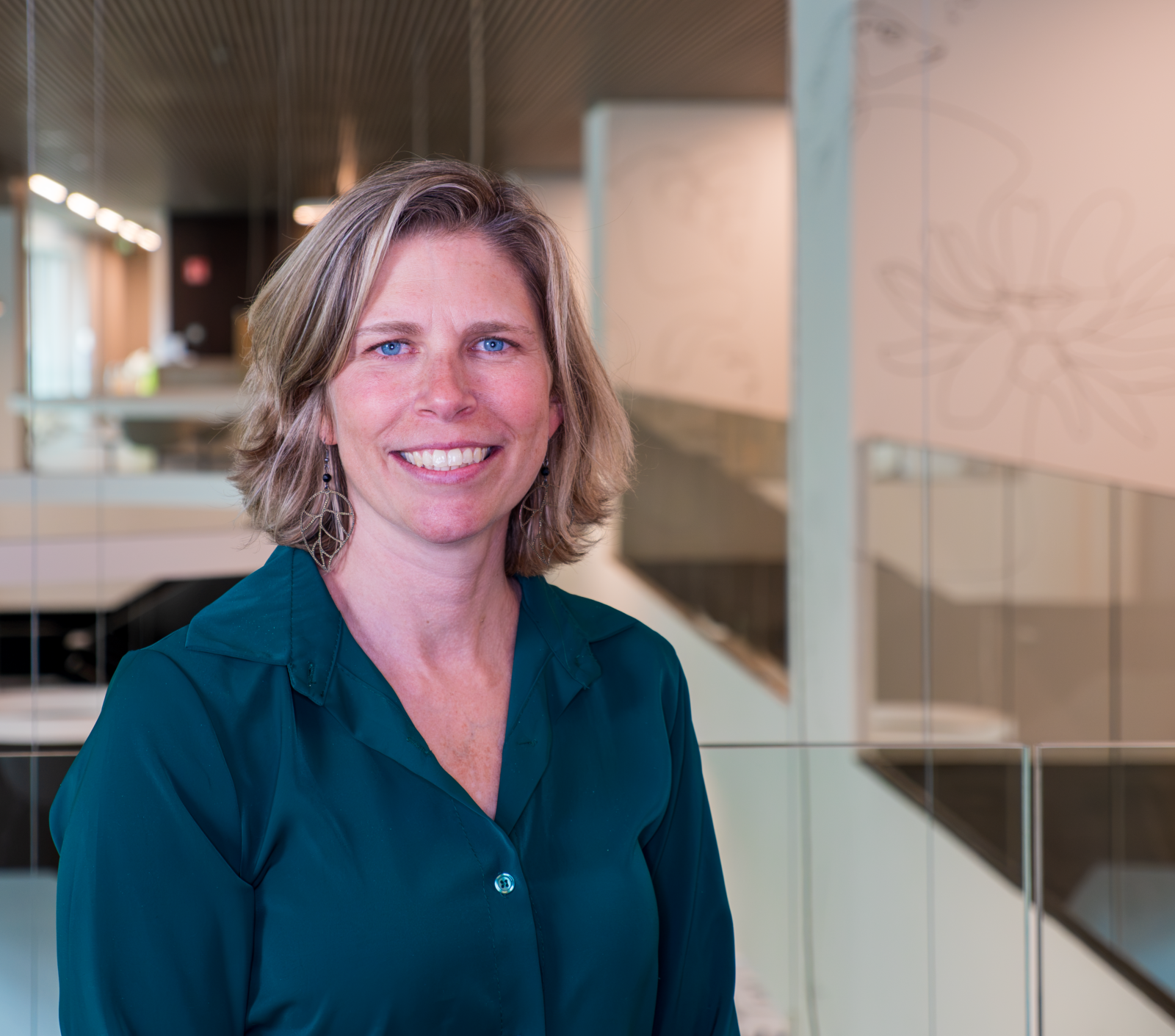
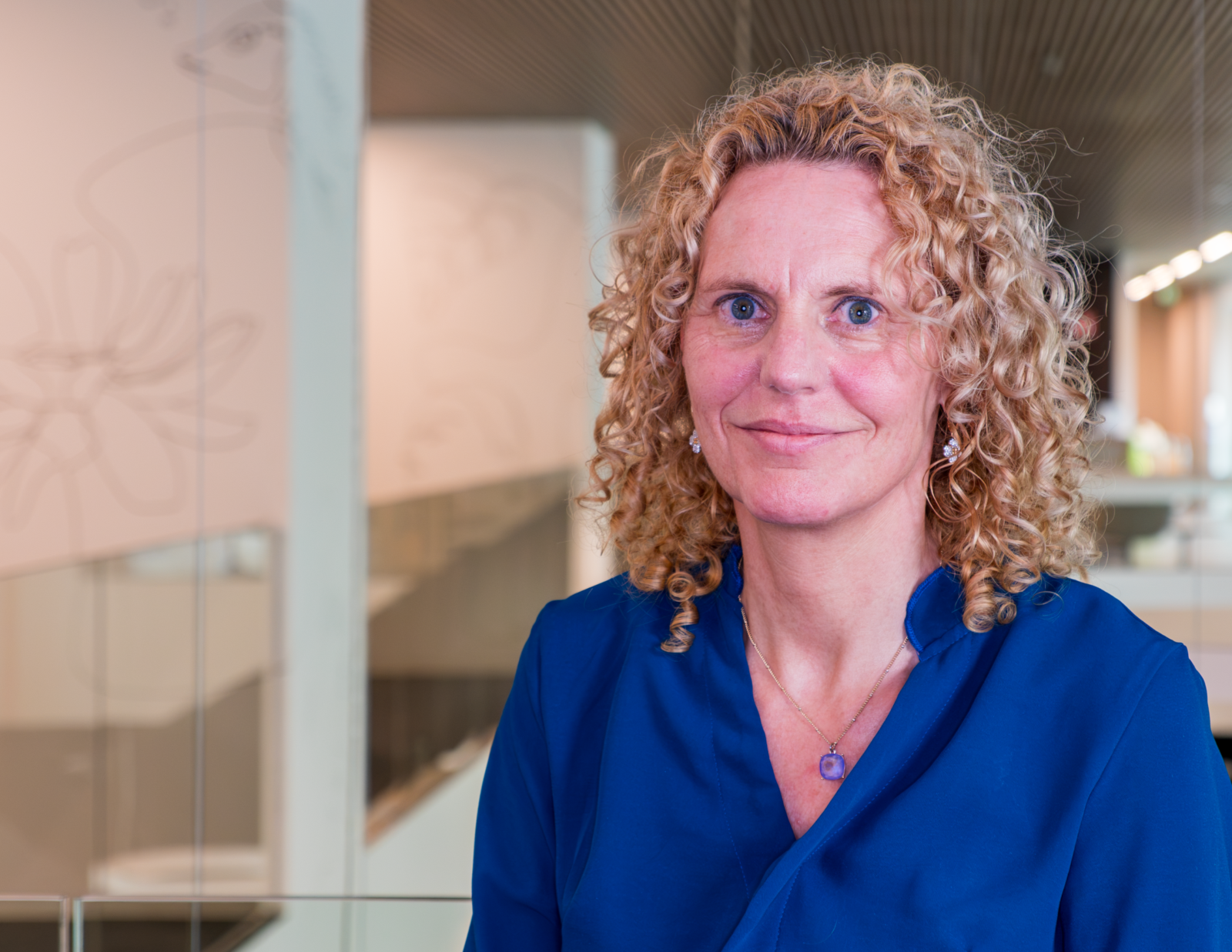
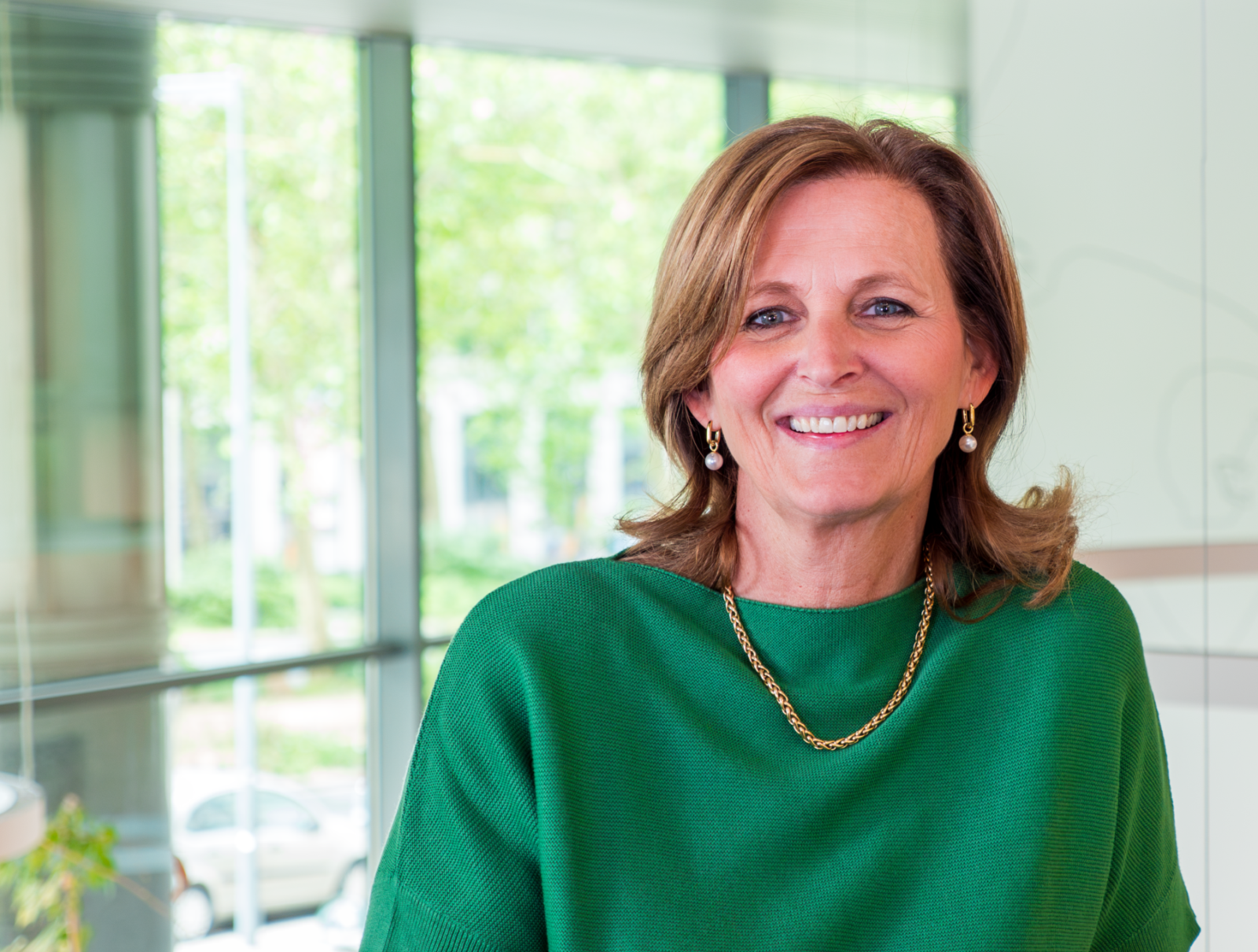
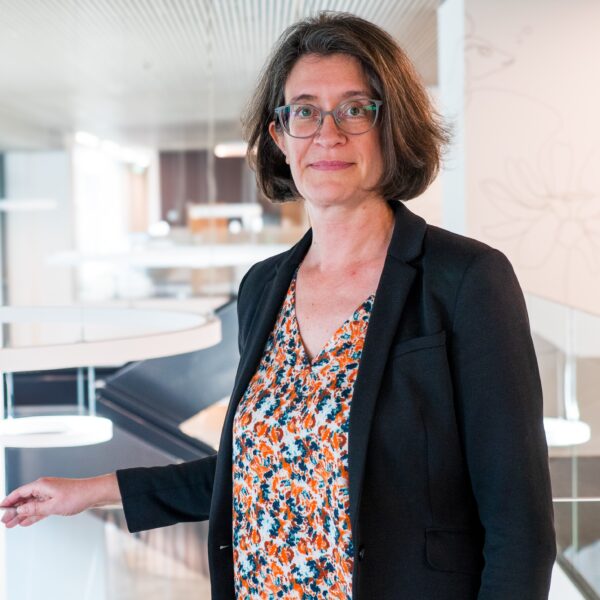
Aliénor Hanthazi
Scientific expert and biovigilance assessor at the FAMHP. She played a key role in understanding and scientifically monitoring the case. She contributed valuable scientific knowledge and analysis to the handling of the case.
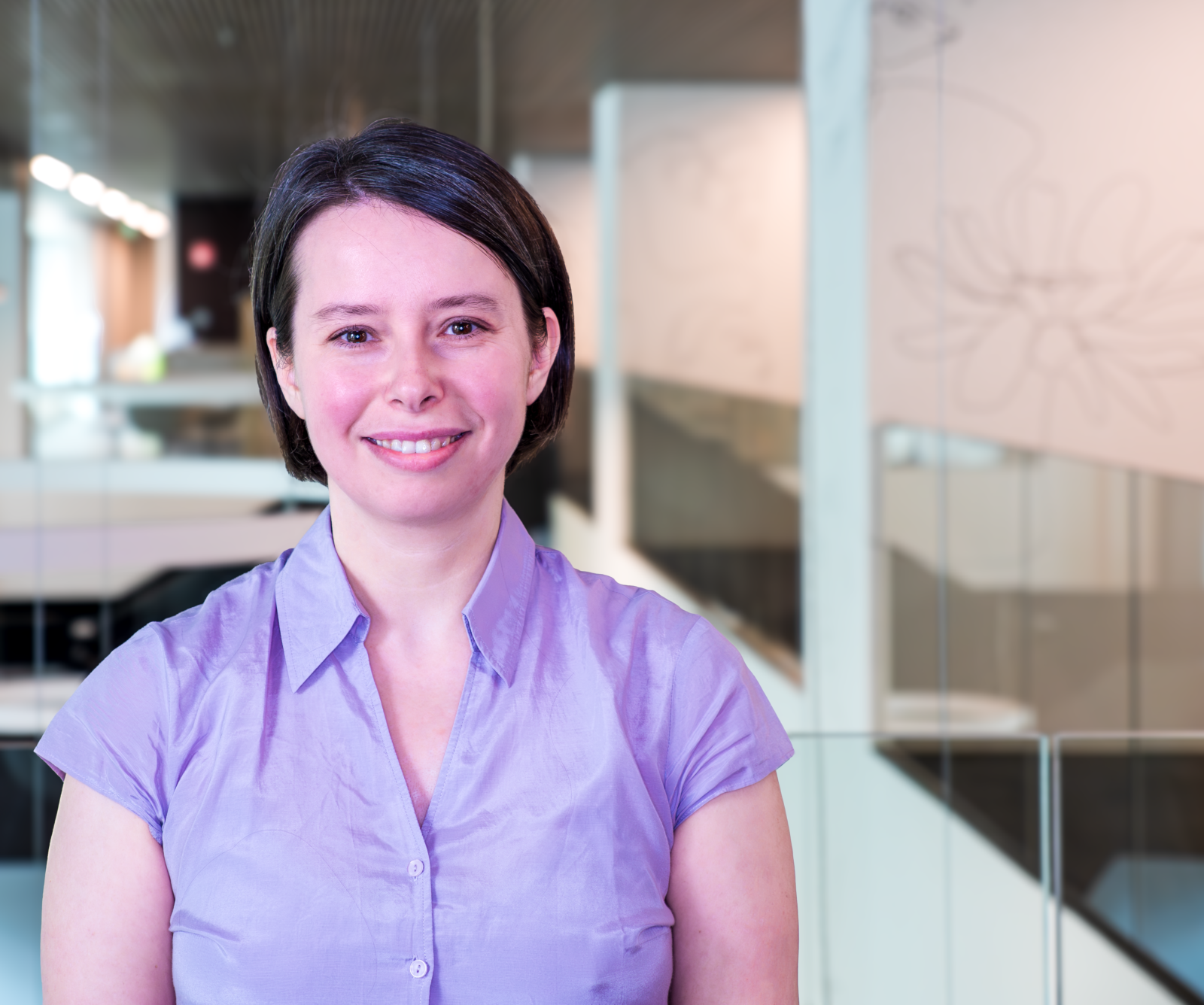
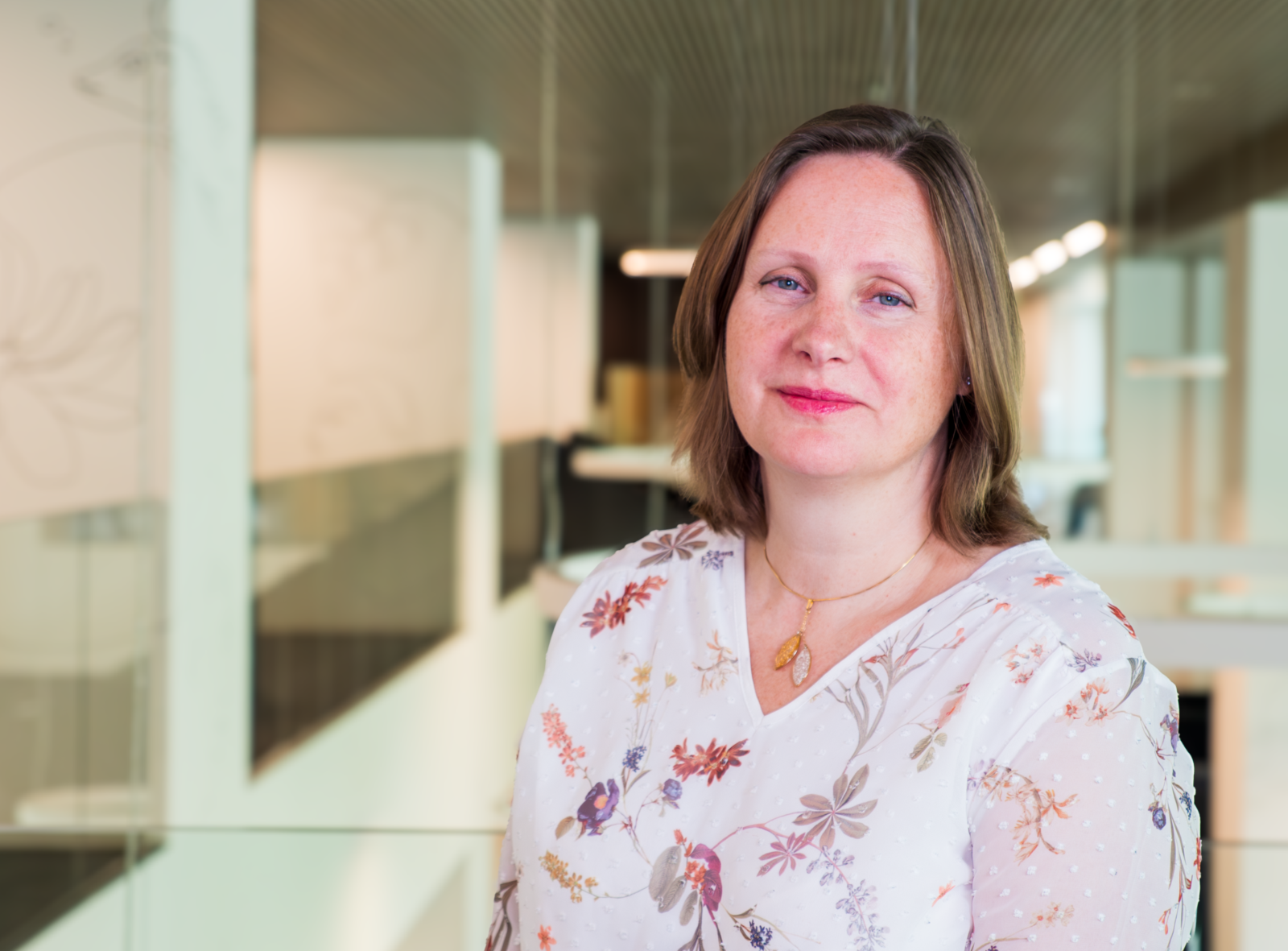
Nele Matthijs
Head of Division within the Directorate General Inspection. She brought her practical experience to the crisis unit. Her in-depth knowledge of inspection procedures was a valuable asset in understanding and monitoring the case.
Coordination of the crisis unit
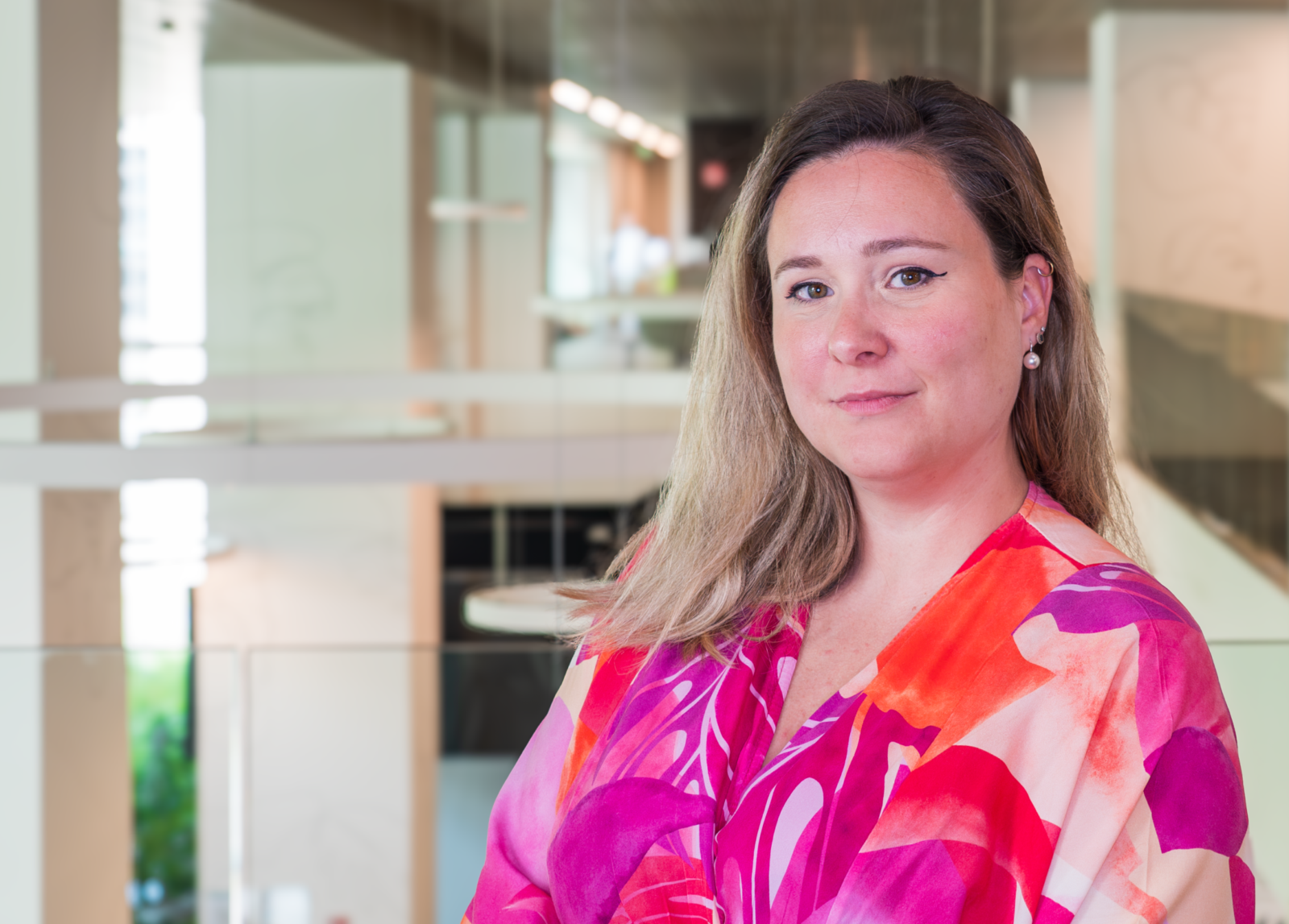
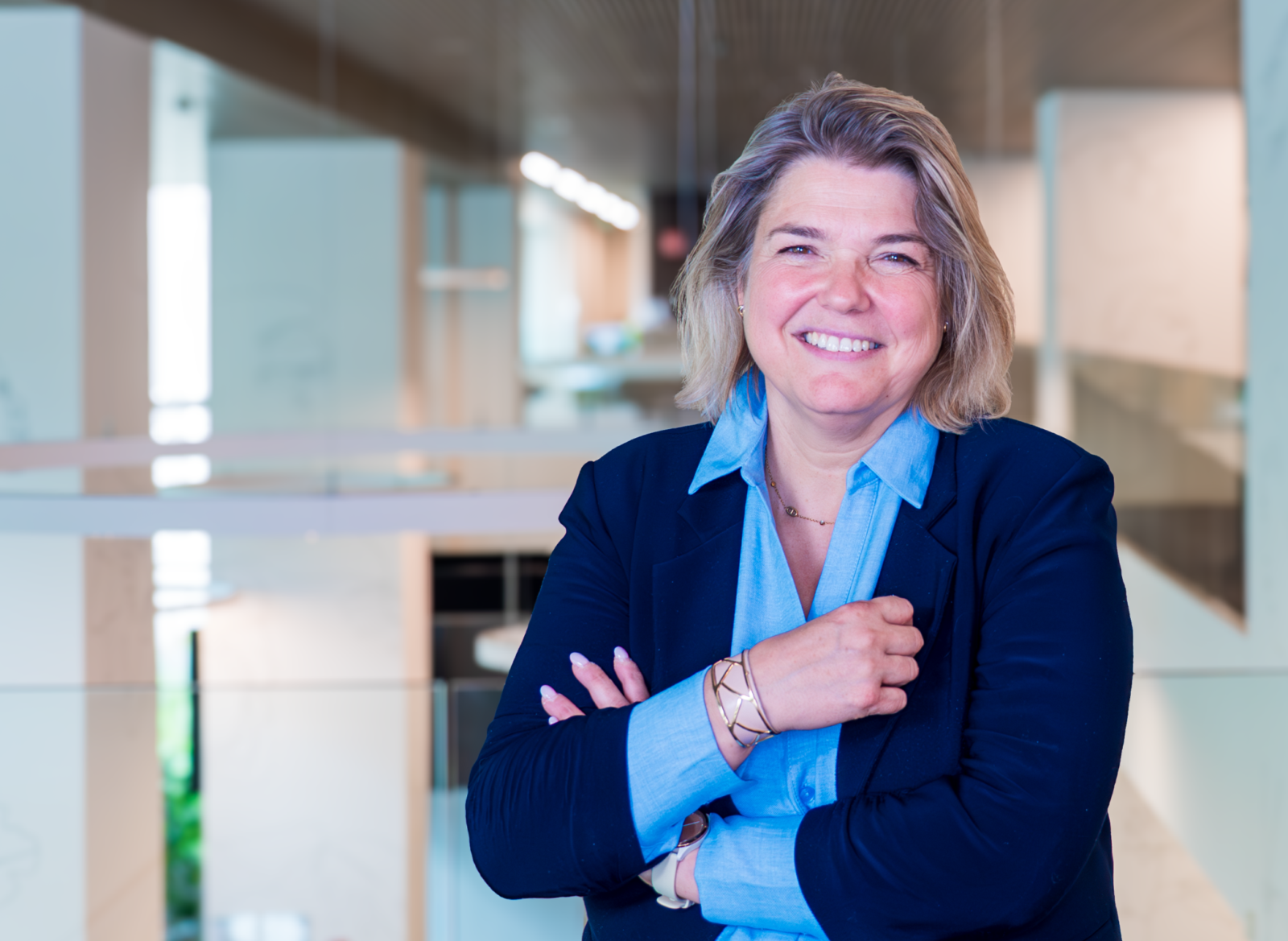
Christelle Beeckmans
Head of the Quality Division and Organisational Management. She is responsible for coordinating the establishment of crisis units within the agency. In the TP53 case, she also coordinated the Audit unit and ensured the smooth overall running of the crisis management system.
Valérie Nys
Head of the Strategy Realisation Office. She was responsible for coordinating the management and evaluation units and, consequently, for the operational coordination of the case, centralising requests, supervising the different activities and facilitating collaboration between the members of the Executive Council.
The members of the Executive Committee
Erik Everaert
Director-General of the Directorate General POST authorisation, which includes biovigilance. He contributed his expertise in vigilance mechanisms as well as a comprehensive overview of the issues involved in monitoring the case.
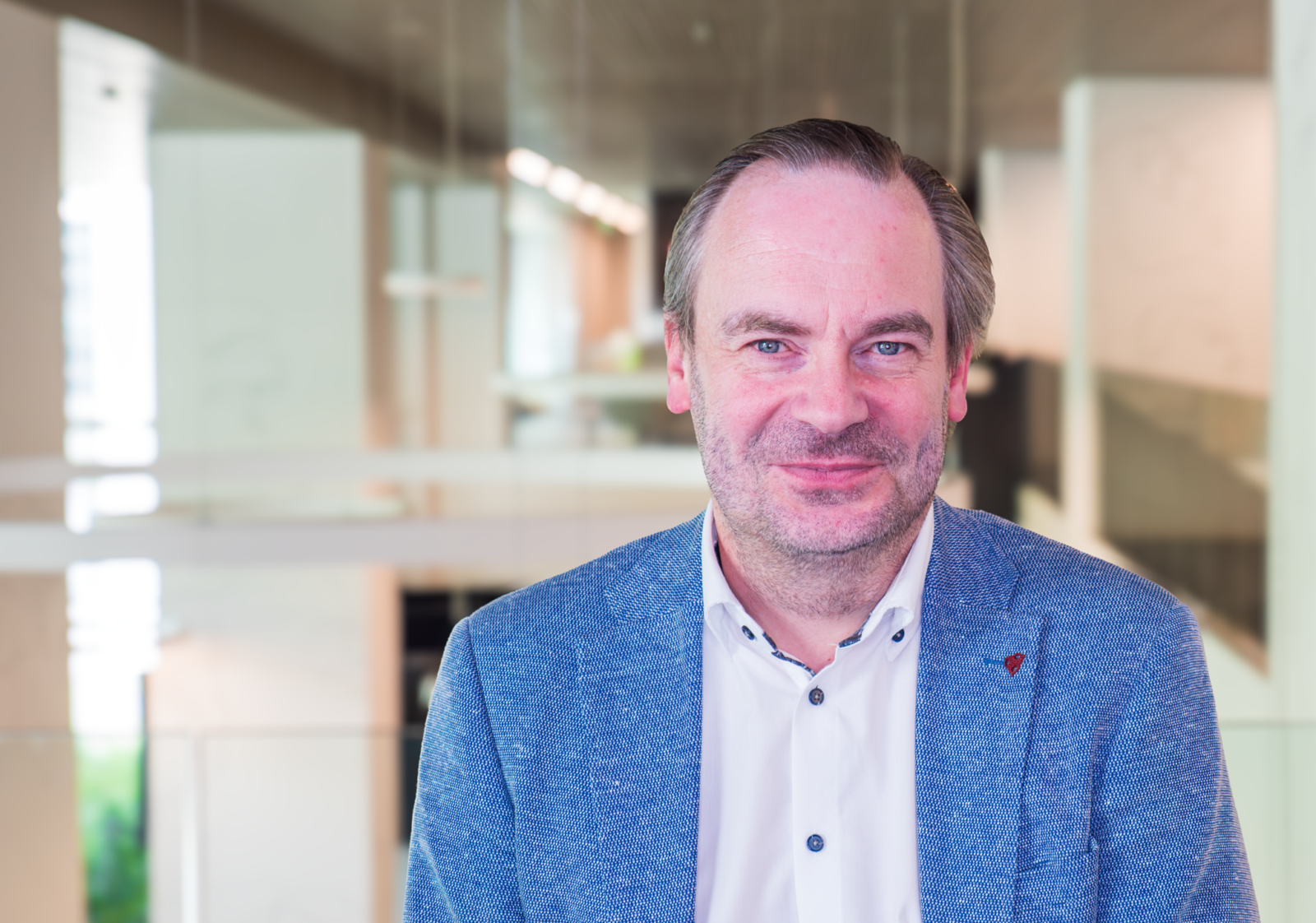
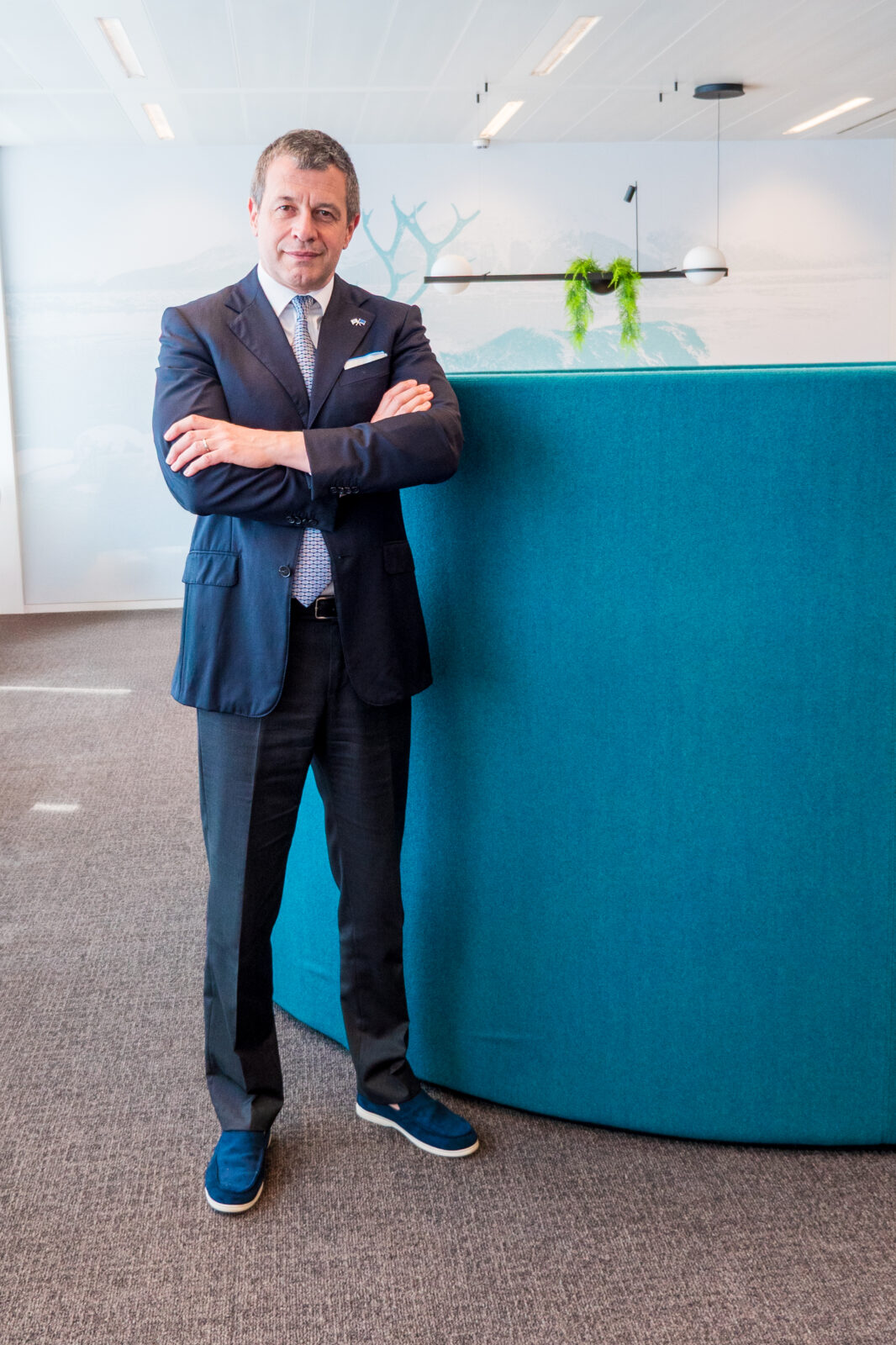
Hugues Malonne
Chief Executive Officer of the FAMHP. He played a part in managing the crisis. He also represented the agency in consultations with the relevant authorities and institutions, notably the Office of the Minister for Public Health and Parliament.
Ethel Mertens
Director-General of the Directorate General Inspection. She contributed to the work of the crisis unit thanks to her in-depth knowledge of inspection activities and their role in protecting public health. Her strategic vision helped to support the many initiatives carried out by the inspection teams in connection with this case.
Key information for understanding the case
The regulatory framework for sperm donation in Belgium
The Belgian Act of 2007 on medically assisted reproduction (MAR) stipulates that a single donor of gametes (sperm or oocytes) or embryos may be the source of children born to no more than six different women.
This rule, often referred to as the ‘six-women rule’, aims to limit the number of families using the same donor and reduce certain risks to public health.
How is compliance with this rule currently monitored?
Since 2024, fertility clinics have had access to the Fertidata app, which enables them to record donor data.
The system automatically blocks a donor once they have reached the authorised quota. The clinic can therefore no longer use this donor for another family.
However, certain conditions must be met for the application to be fully functional in terms of accurately monitoring the quota, in particular its correct use by the clinics.
The FAMHP was involved in the development of this tool but does not have access to the data stored within it. Nevertheless, during an inspection at a fertility clinic, the agency carries out a data check.
Fertility clinics are monitored primarily through two mechanisms: biovigilance and inspections.
What is biovigilance?
Biovigilance is the monitoring of risks associated with human body material, from the selection of a donor to the follow-up of recipients, including children born as a result of a donation.
Its aim is to promptly identify any incident or adverse reaction that could have an impact on the quality and safety of the human body material, on the patient themselves and, more broadly, on public health, so that appropriate measures can be taken to prevent such events from recurring.
To this end, organisations dealing with human body material and hospitals are legally obliged to report any incident or serious adverse reaction to the competent authority; in Belgium, this is the FAMHP. This process is known as a biovigilance notification.
However, exceeding the six-women quota does not, in itself, constitute an incident subject to a reporting obligation.
Alongside national notifications, biovigilance also uses European Rapid Alerts (externe link, opent in nieuw tabblad), a communication system that enables the competent authorities of European Union Member States to quickly share information regarding a serious cross-border health risk.
Every notification is subject to a rigorous assessment. Depending on the findings of the investigation, the FAMHP ensures that the necessary measures are taken to prevent a similar situation from recurring and, where necessary, follows up with the other relevant services.
How does the FAMHP monitor fertility clinics?
The FAMHP is responsible for accrediting centres as human body material banks and for ensuring that they comply with the legal requirements applicable to their activities.
To this end, it carries out regular inspections (externe link, opent in nieuw tabblad), both announced and unannounced.
“It is important to bear in mind that fertility clinics account for only a small part of the scope of our inspections. The FAMHP’s remit is much broader,” emphasises Ethel Mertens, Director-General of DG Inspection.
In practical terms, the inspectors examine a wide range of areas: procedures, traceability, risk management, quality, safety and regulatory compliance.
“An inspection covers many aspects. Our inspectors pay particular attention to anything that may have an impact on public health, patient health or, in the case of fertility clinics, the health of unborn children,” explains Ethel Mertens.
When a breach is identified, such as exceeding the number of women who have received a donation from the same donor, the FAMHP may take various measures, proportionate to the seriousness of the situation: Corrective and Preventive Action (CAPA), a written warning, administrative measures or, in certain cases, referral of the report to the public prosecutor’s office.
How can the FAMHP detect if the quota is exceeded?
There is currently no system that enables the FAMHP to automatically identify breaches of the six-women rule.
However, it may be made aware of a breach in various ways:
- Fertidata notifies clinics when a donor has reached the authorised quota but does not allow the FAMHP to access the recorded data. However, a clinic may notify the FAMHP of a quota being exceeded if it becomes aware of it, in particular via this application. This can happen, for example, when a clinic wants to record use for a sibling (a patient who already had a child before 2024) but the quota has been reached in the application;
- the quota being exceeded within a specific clinic may be detected during an inspection;
- a European Rapid Alert or a notification from a clinic may also draw the attention of the biovigilance team to a problematic situation.
In light of the lessons learnt from the TP53 case, the FAMHP is currently working, in collaboration with the Federal Public Service Health, Food Chain Safety and the Environment, to develop a new tool to enable more effective monitoring of donors, more systematic detection of quota breaches and stronger surveillance and control capabilities for the biovigilance and inspection teams.
Scientific and Medical Context
The TP53 gene
The TP53 gene is mentioned in the context of the sperm donor case. What exactly is it?
Aliénor Hanthazi: “The TP53 gene is a gene that we all have. In the case in question, the sperm donor carried a mutation in this gene. It was a rare mutation, but one that could be passed on to biological children. The donor himself was unaware that he was a carrier when he donated.”
What can the consequences of this mutation be for people who carry this mutation?
A.H.: “The TP53 gene is a tumour-suppressor gene responsible for detecting DNA damage. It activates mechanisms to correct DNA errors or, if necessary, triggers cell death (apoptosis) to prevent the proliferation of abnormal cells in the event of irreparable damage. When mutated, the gene loses its protective function. Mutated cells multiply uncontrollably, which promotes the formation and growth of tumours. The TP53 gene is therefore involved in the development of many human cancers.
The consequences of this mutation could therefore be very serious. This mutation is associated with an increased risk of developing certain cancers, sometimes in childhood or adolescence. That is, of course, what makes this case particularly sensitive.”
Could such a mutation also be passed on during a natural pregnancy?
A.H.: “Yes, absolutely. Even in a natural pregnancy, certain genetic defects or conditions can be passed on to children. Various checks are carried out during the donor selection process to minimise this risk, including a detailed medical history, a comprehensive and thorough clinical examination and further tests if the situation requires it. However, comprehensive systematic screening of donors is not permitted, just as it is not in natural reproduction.
Of course, this does not change the reality faced by the affected families. For children who have inherited this mutation and for their families, the situation remains extremely difficult.”
How many families are affected in Belgium?
A.H.: “This is one of the major issues in the case. In Belgium, the rule limiting the use of the same donor to six women was not observed in this particular case. According to the latest information available to us, 53 children were born into 38 families. However, not all of those children necessarily inherited the mutation. But exceeding the quota automatically increased the number of children potentially affected compared with what would have happened had the rule been followed.”
The FAMHP crisis unit
The FAMHP has a specific crisis-management procedure. How was it activated in the TP53 case?
Christelle Beeckmans: “We do indeed have a formal crisis management procedure. It had existed for several years but had never been activated before the TP53 case. This procedure provides for a crisis unit to be set up when a number of criteria are met. Following an internal assessment, we concluded that this was the case in this instance. I was then appointed crisis coordinator.”
In practical terms, how is a crisis unit organised?
C.B.: “The procedure provides for at least three units: a management unit, an evaluation unit and a communications unit. We quickly concluded that the FAMHP was very likely to be audited. We therefore decided to set up a fourth unit devoted specifically to audits, which I coordinated.”
And who coordinated all these actions?
C.B.: “We also appointed a coordinator to lead each unit, whose role was to ensure it ran smoothly. In this instance, coordination of the management and evaluation units was entrusted to Valérie Nys, who coordinated their work.”
In practical terms, what did your role involve?
Valérie Nys: “My role was to coordinate all the actions relating to the crisis. All enquiries were channelled through a dedicated email address, which gave us an overview of the situation and the priorities.”
Did priorities change over time?
V.N.: “Yes, definitely. At the start, the most important issue was to understand exactly what had happened. We had to gather the available information, particularly at the request of the Minister for Public Health’s office, piece together the case history and check that all the necessary measures had been taken. The aim was to gain as comprehensive and reliable a picture of the situation as possible.”
The priority was therefore to protect public health. But that was only part of the work…
V.N.: “Exactly. At the same time, we had to respond to a very large number of enquiries. We were in contact with the press, MPs, specialist organisations and the public. We also prepared for the parliamentary hearings and drafted a number of briefings to explain a particularly complex case. All this work was carried out with the support of the relevant experts and members of the crisis unit, and in consultation with the Minister’s office. My role was to centralise and coordinate all these activities.”
More than a year after the crisis began, what is the current situation?
C.B.: “We officially closed the crisis unit in early June 2026. Today, we are in what might be called the ‘post-crisis’ phase. We are working to implement all the improvements that were identified to prevent a similar situation from happening again. We are continuing to deal with enquiries relating to the case. And, of course, we are gradually resuming work on certain projects that had to be put on hold to deal with the priorities arising from the crisis.”
V.N.: “The corrective actions directly related to the donor were finalised relatively quickly. What took us the most time was dealing with the huge number of requests for information from outside sources: the media, the authorities, members of the public, organisations and so on. The volume of these requests decreased over time. We were therefore able to integrate their management into the agency’s day-to-day operations, without the need to maintain a dedicated crisis structure.”
The FAMHP looks to the future
As is the case after any major crisis, the time has come to learn from this incident and put in place the necessary measures to prevent a similar situation from happening again. It was with this in mind that the Office of the Minister for Public Health commissioned two audits of the FAMHP.
The two audits had different objectives.
Hugues Malonne: “That’s correct. The first audit was launched relatively soon after the crisis began. Its aim was to understand what had happened and to assess whether certain aspects of our biovigilance or inspection processes needed to be improved. The second audit focused more on the governance of the agency as a whole. We have not yet received its conclusions.”
What were the conclusions of the first audit?
H.M.: “The first key conclusion was that the audit did not identify any critical deficiencies. In other words, it did not reveal any serious systemic failings in the agency’s operations. The audit report makes recommendations concerning, among other things, inspections, monitoring, and the flow of information. The auditors also highlighted the high level of expertise among our staff, which is obviously a positive factor. However, they also noted that the limited resources had a significant impact on our operations and was one of the factors that explained some of the deficiencies identified.”
In summary, no critical shortcomings, but several areas for improvement?
H.M.: “Exactly. In fact, that is the purpose of an audit: to identify what works well, but also what could be improved. We took these recommendations very seriously and incorporated them into what we have called our ‘recovery plan’.”
What does this recovery plan involve?
H.M.: “The plan is being led by Dirk Ramaekers, Chair of the Board of Directors of FPS Public Health. It was a fairly logical choice, since he had also been appointed by the Minister’s office to assist with the management of this crisis.
Practically speaking, the plan is structured around three main areas.
The first concerns the establishment of an institute dedicated to donor-related issues, under the responsibility of the FPS Public Health, as well as a major overhaul of the Fertidata app. Work has already begun.
The second is a wide-ranging programme of thematic inspections at fertility clinics. This involves almost forty inspections. Here too, our teams are already hard at work.
Lastly, the third area concerns the monitoring of the CAPA plan, which stands for Corrective and Preventive Actions and stems directly from the first audit. It sets out all the measures identified to address the areas for improvement highlighted by the auditors.”
What are the main changes planned?
H.M.: “The priority is clearly to strengthen our resources. The government has allocated funding that will enable us to recruit six additional inspectors specialising in human body material as soon as possible.
We are also working to improve the flow of information within the agency. In summary, who needs to be informed about what, when and how? We want to ensure that sensitive information is escalated more quickly to the appropriate decision-making levels when necessary.
Lastly, we have adapted certain elements of our inspection frameworks in order to further harmonise our practices.”
When will these measures be implemented?
H.M.: “A large part of the work is already underway. All the major projects have been launched. Some measures can be implemented quickly, while others will take longer. This is particularly true of the overhaul of Fertidata and the recruitment procedures for new inspectors. But the main thing is that all the measures are now underway.”
A new tool for tracking donors
The crisis has highlighted certain limitations of the system currently in place to prevent the six-women rule from being exceeded.
Against this background, a decision was made to develop a new tool. Although based on certain principles of Fertidata, it will offer much more extensive functionality in order to improve donor monitoring and the traceability of donations.
You are responsible for coordinating the development of this new tool. How will it differ from Fertidata?
Valérie Nys: “Today, Fertidata essentially functions as a counting system. When a donor reaches the authorised quota, the system simply blocks that donor, so they can no longer be used for a new family. The data is completely anonymised. At the FAMHP, we do not have access to the information entered.
With the new tool, we are taking things much further. It will be based on new legislation, currently under discussion, which provides, amongst other things, for the end of donor anonymity and for the FAMHP to have access to uploading of historical data and access records. This opens up new possibilities in terms of traceability and monitoring.”
Will information about donors therefore become accessible?
V.N.: “We do not yet know exactly what data will be available. Everything will depend on the legal text that is ultimately adopted. What is certain, however, is that each party will only have access to the information they need to carry out their duties.
The FAMHP, for example, will only have access to the data necessary for its biovigilance and inspection activities. The institute, which is to be created within FPS Public Health, will manage other information. And those affected by a donation should also be able to request certain information relating to their case.”
The aim is therefore to create a register that makes it possible to trace the biological links between people born from the same donor?
V.N.: “You could certainly see it that way. We are talking about a register that will bring together a very large volume of data and enable a much higher level of traceability than is currently the case. But it is still too early to describe exactly how it will work. The law has not yet been passed, and it is possible that it may still change during parliamentary debate.”
Will the future legislation apply to donations made in Belgium from 2027?
V.N.: “That’s the objective. However, a number of issues still need to be clarified, particularly regarding donations made between 2007 and 2027. It will also be important to bear in mind that the system will only cover donations made within Belgium. If a donor has also been used abroad, this information will not necessarily be included.”
That must be a huge project.
V.N.: “That’s right. We will need to be creative to develop a tool that, as far as I’m aware, will be quite unique. Discussions have already begun and preparatory work is underway. However, we will have to wait until the legal framework has been finalised before we can complete the tool. The aim will then be to minimise the time between the law being passed and the new system becoming operational.”

















































































 “This transition went smoothly, with no significant disruption. The FAMHP processed more than five hundred initial applications and over two thousand amendments under the new rules, and consistently did so within the set deadlines. The final studies still covered by the old system were also transferred in good time. This illustrates that, thanks to an intensive pilot procedure, the agency was ready for the new way of working and that the internal processes are well aligned. For sponsors and researchers, this translates into predictability and trust, two essential conditions for an attractive research landscape.”
 “This role contributes to a more harmonised and efficient approach to safety issues within Europe. By collaborating with other member states, we strengthen the consistency of assessments, whilst maintaining a pragmatic approach that supports innovation, with the protection of trial participants as an absolute priority.”